
When it comes to hair types, understanding the subtle differences between them can make a big impact on how you care for and style your hair. In this article, we’ll dive into 1C vs 2A Hair—two types that sit between straight and wavy on the hair texture spectrum. Knowing how to identify whether your hair is 1C or 2A, along with the best care routines and styling tips for each, can help you bring out the best in your natural texture. Let’s explore what sets these hair types apart and how to keep them healthy and looking great.
Key Takeaways of 1C vs 2A Hair
- 1C hair is straight with a bit of wave, while 2A hair is more wavy and less defined.
- To identify your hair type, look at how your hair behaves when wet and after washing.
- Use lightweight products for 2A hair to avoid weighing it down, while 1C hair can handle a bit more product.
- Both hair types can struggle with frizz, especially in humid weather, so choose anti-frizz products wisely.
- Transitioning between hair types is normal; understanding your hair’s needs helps maintain its health.
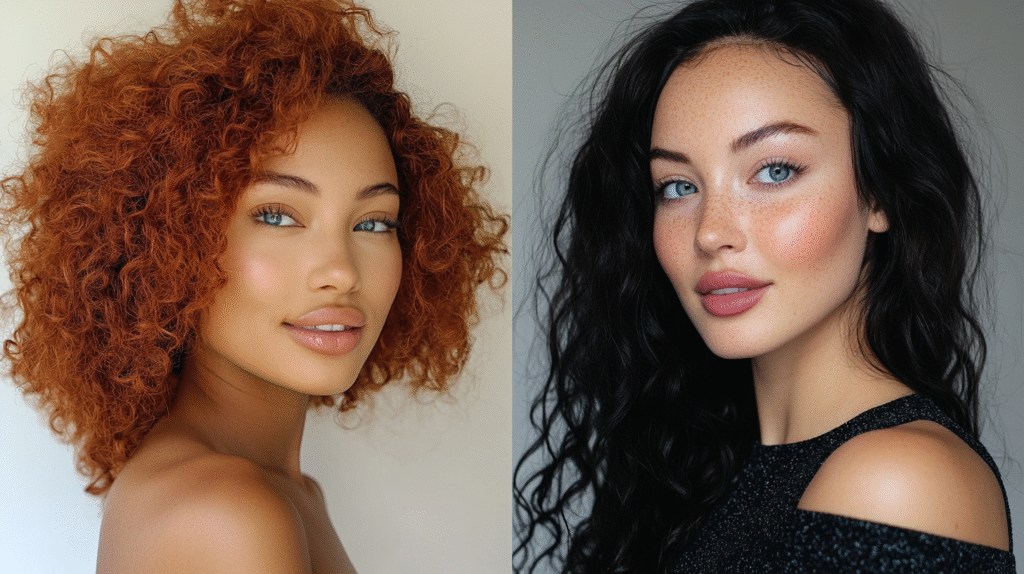
Understanding 1C and 2A Hair Types
Characteristics of 1C Hair
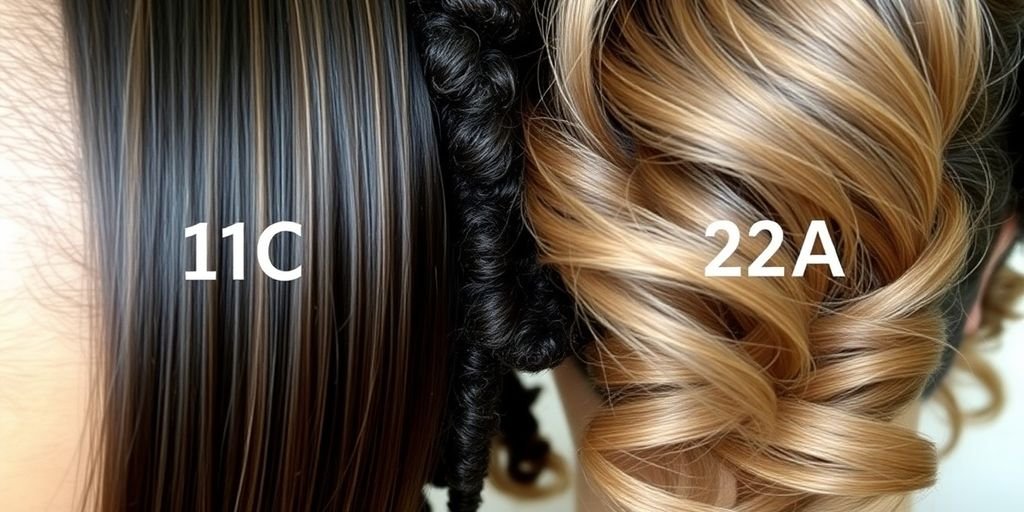
1C hair is often described as mostly straight hair with slight bends or soft waves. It’s not quite straight, but it’s not fully wavy either. Think of it as the hair type that’s indecisive about its texture. 1C hair tends to be thicker and coarser than other type 1 hair, and it can be prone to frizz. It also has more volume at the roots compared to straighter hair types. Understanding curl types is key to decoding your own hair.
Characteristics of 2A Hair
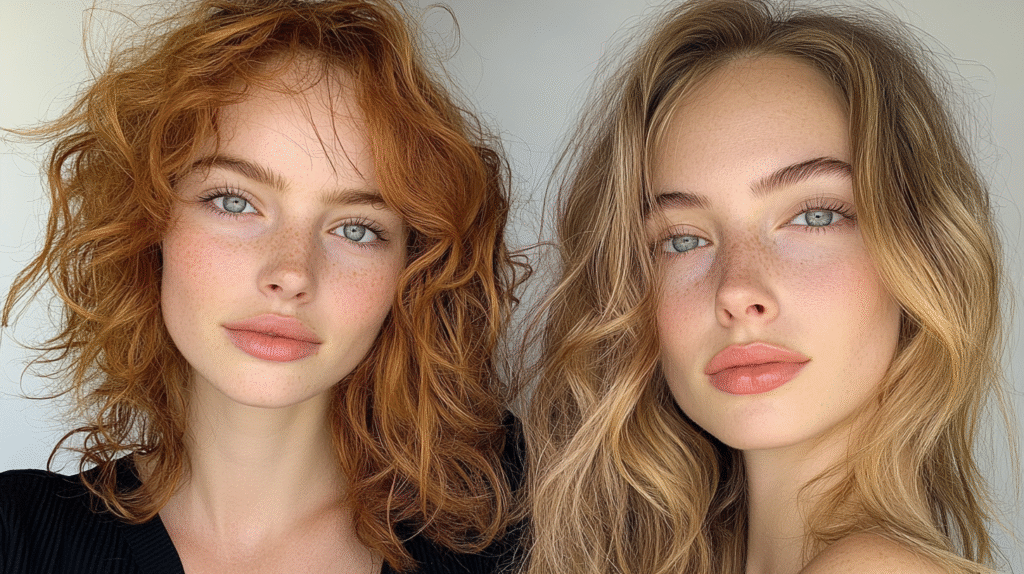
2A hair is the loosest of the wavy hair types. It features a gentle, tousled texture that’s easily straightened. The waves are typically fine and thin, forming an ‘S’ pattern, but they aren’t as defined as other wavy or curly hair types. 2A hair usually lies close to the head and has a natural, beachy wave look. It’s generally easy to manage, but it can lack volume and definition. It’s important to understand how to tell the difference between 1c and 2a hair types to properly care for your hair.
Differences Between 1C and 2A Hair
Distinguishing between 1C and 2A hair can sometimes be tricky, as they share some similarities. However, there are key differences. Here’s a quick breakdown:
- Wave Pattern: 1C hair has slight bends or soft waves, while 2A hair has a more defined ‘S’ shaped wave pattern.
- Texture: 1C hair tends to be thicker and coarser, while 2A hair is usually finer and thinner.
- Volume: 1C hair typically has more volume at the roots than 2A hair.
- Manageability: 2A hair is generally easier to manage and style than 1C hair, which can be prone to frizz.
Ultimately, the best way to determine your hair type is to observe how your hair behaves naturally. Let it air dry without any product and see if it falls straight with a slight bend (1C) or forms a gentle ‘S’ wave (2A). Knowing is my hair 1C or 2A and what does it mean will help you choose the right products and styling techniques.
Identifying Your Hair Type
It’s super important to figure out your hair type so you can give it the right kind of love. Knowing whether you’re rocking 1C or 2A hair will seriously change how you care for and style it. Let’s get into how to tell the difference.
How to Determine 1C Hair
1C hair is mostly straight but has some slight waves, especially near the bottom. It’s not quite wavy enough to be considered a full-on wave pattern, but it’s not pin-straight either. Here’s how to know if you’ve got 1C hair:
- Look for a slight bend or wave, particularly from the mid-lengths down.
- Notice if your hair tends to be thicker and can hold a style pretty well.
- Check if your hair gets oily easily, as 1C hair often does.
If you’re still unsure, try letting your hair air dry after washing it. If it dries with a slight wave, you likely have 1C hair. Understanding curl hair types is the first step.
How to Determine 2A Hair
2A hair is all about those loose, beachy waves. It’s way more wavy than 1C hair, but not as curly as other wave types. Here’s what to look for:
- Notice an S-shaped pattern throughout your hair.
- See if your hair is generally fine and easy to manage.
- Check if your hair is prone to being a bit flat at the roots.
2A hair is usually pretty easy to spot because of its defined, yet loose, wave pattern. If your hair dries with a clear wave, especially if it’s consistent from root to tip, you probably have 2A hair. It’s all about observing the natural texture of your hair.
Common Misconceptions About Hair Types
There are a lot of myths floating around about hair types, so let’s clear some of them up. One big misconception is that hair type determines how healthy your hair is. That’s not true! Any hair type can be healthy with the right care. Also, don’t assume that all wavy hair is the same. 2A hair is different from 2B or 2C, and understanding those differences is key. Finally, remember that your hair type can change over time due to factors like hormones, age, and even the products you use. So, keep an eye on your hair and adjust your routine as needed.
It’s important to remember that many people have a combination of hair types. You might have 1C hair in some areas and 2A in others. The best way to figure out your hair type is to pay attention to your hair’s natural texture and how it behaves with different products and styling techniques. Don’t be afraid to experiment to find what works best for you!
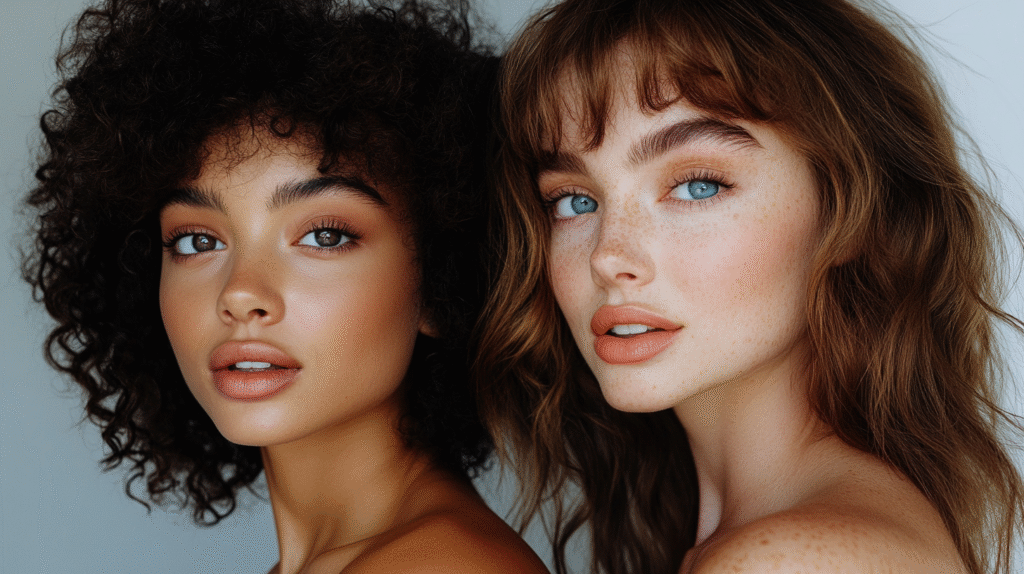
Caring for 1C Hair
1C hair, with its slight bend and tendency towards oiliness, needs a specific approach to keep it looking its best. It’s all about finding the right balance of moisture and avoiding products that weigh it down. Let’s explore the best ways to care for your 1C locks.
Best Products for 1C Hair
When it comes to 1C hair, lightweight is the name of the game. Avoid heavy creams and oils that can make your hair look greasy and flat. Instead, opt for:
- Lightweight shampoos and conditioners: Look for volumizing or clarifying formulas.
- Mousses and gels: These can provide hold without weighing the hair down.
- Dry shampoo: A lifesaver for absorbing excess oil between washes.
Washing and Conditioning Tips
Finding the right washing routine is key. Here’s what I’ve found works best:
- Wash regularly: 1C hair tends to get oily, so washing every other day might be necessary. If you have oily scalp problems, consider a shampoo designed for frequent use.
- Focus shampoo on the scalp: This helps remove oil without drying out the ends.
- Condition lightly: Apply conditioner only to the ends of your hair to avoid weighing down the roots.
I’ve found that using lukewarm water, instead of hot, helps to prevent my scalp from producing excess oil. Also, a final cool rinse can help to close the hair cuticle and add shine.
Styling Techniques for 1C Hair
Styling 1C hair is all about enhancing its natural texture without making it look limp. Here are a few techniques I’ve had success with:
- Air drying: Let your hair air dry as much as possible to avoid heat damage.
- Volumizing products: Use mousses or root lifters to add volume at the roots.
- Texturizing sprays: These can add some grit and definition to your hair.
- Loose braids: Braiding your hair while it’s damp can create subtle waves without heat. You can use a curl cream to help define the waves.
Caring for 2A Hair
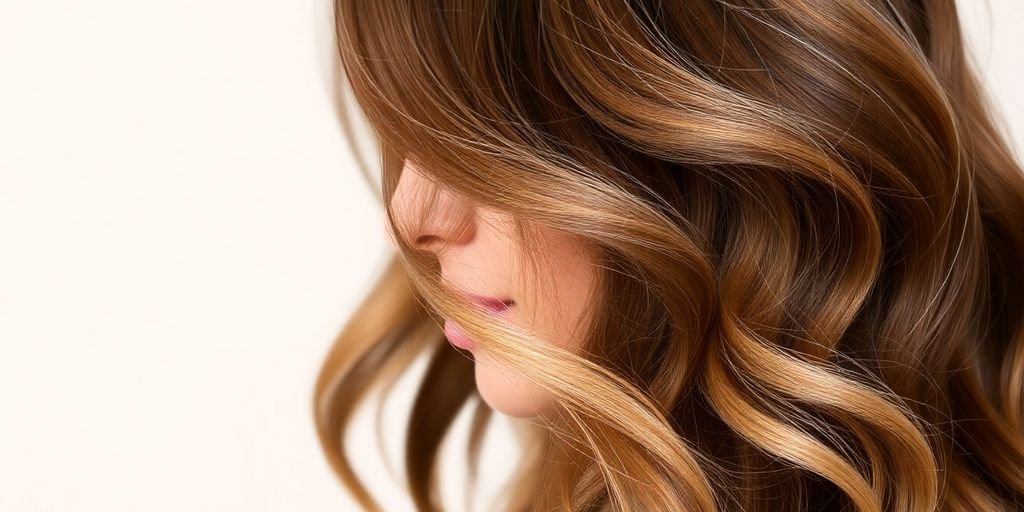
Best Products for 2A Hair
Finding the right products can make all the difference for 2A hair. Since it’s finer and more prone to being weighed down than other wave patterns, lightweight formulas are key. Look for mousses, gels, and creams that provide hold without stiffness. A good leave-in conditioner can also help manage frizz and add moisture without making your hair feel greasy. When considering best hair care routine for 1c vs 2a hair, remember that less is often more.
Washing and Conditioning Tips
With 2A hair, it’s easy to over-wash and strip your hair of its natural oils, leading to dryness and frizz. Try to wash your hair only two to three times a week. Use a sulfate-free shampoo to gently cleanse your scalp without drying out your waves. When conditioning, focus on the mid-lengths and ends, avoiding the roots to prevent build-up. A lightweight conditioner is ideal, but you can also use a deep conditioner once a week for extra hydration.
Styling Techniques for 2A Hair
Styling 2A hair is all about enhancing its natural wave pattern without weighing it down. Here are a few techniques to try:
- Scrunching: Apply a lightweight mousse or gel to damp hair and scrunch upwards to encourage wave formation.
- Plopping: Use a microfiber towel or t-shirt to gently absorb excess water and enhance your waves.
- Air Drying: Let your hair air dry as much as possible to minimize heat damage and maintain its natural texture.
Experiment with different techniques to see what works best for your hair. Remember, the goal is to enhance your natural waves, not create something that isn’t there.
When thinking about 1c vs 2a hair: which products work best, consider that 2A hair often benefits from products designed to enhance waves without adding weight.
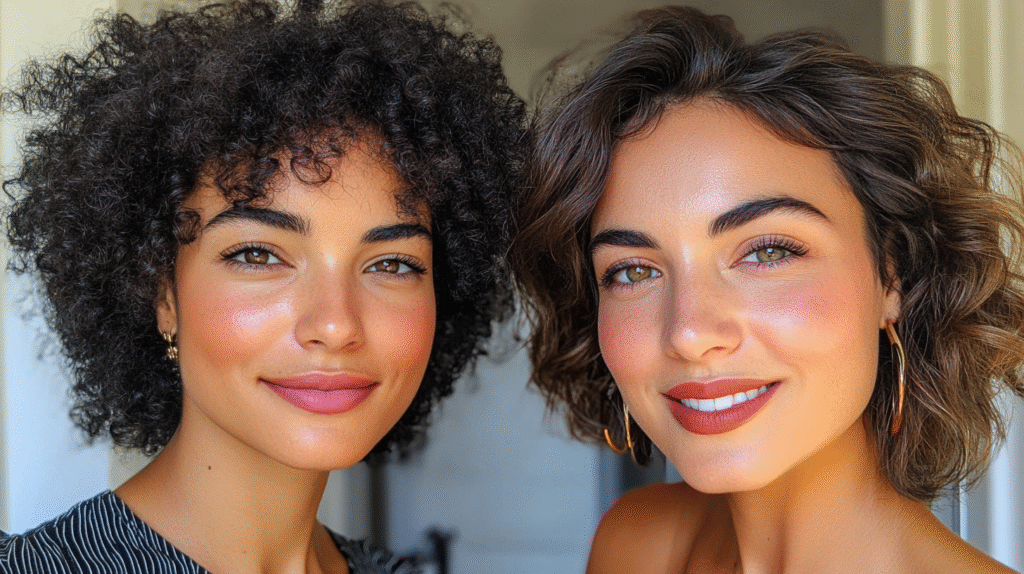
Styling 1C Hair
Recommended Hairstyles for 1C Hair
Styling 1C hair can be a breeze once you figure out what works. Since 1C hair tends to be straight with a slight bend, it’s all about adding texture and volume without weighing it down. Think layers to give your hair some movement. Long layers are great because they remove weight and allow for more body. Consider a blunt cut if you want a modern, chic look that emphasizes the thickness of your hair. For updos, messy buns and textured ponytails are your friends. They add a touch of effortless style. Braids can also work well, especially if you braid them loosely to create a more relaxed vibe.
Tools and Techniques for Styling
Having the right tools and techniques makes all the difference. A good quality round brush is essential for blow-drying and adding volume at the roots. A texturizing spray can give your hair some grip and prevent it from falling flat. When using heat, always apply a heat protectant spray to minimize damage. Here are some techniques to consider:
- Backcombing at the crown for added lift.
- Using a curling iron or wand to create loose waves.
- Air-drying with a texturizing product for a natural, tousled look.
Experiment with different techniques to see what gives you the best results. Remember, less is often more when it comes to product. You don’t want to overload your hair and make it look greasy.
Avoiding Damage While Styling
Protecting your 1C hair from damage is key to keeping it healthy and looking its best. Heat styling can be particularly damaging, so try to limit your use of hot tools. When you do use them, always use a heat protectant. Avoid over-processing your hair with harsh chemicals like bleach or perms. Regular trims are also important to remove split ends and prevent breakage. Here are some additional tips:
- Use a wide-tooth comb to detangle your hair gently.
- Avoid brushing your hair when it’s wet, as it’s more prone to breakage.
- Sleep on a silk pillowcase to reduce friction and prevent frizz. Consider using natural hair products to preserve your hair’s natural oils.
Styling 2A Hair
Recommended Hairstyles for 2A Hair
2A hair is pretty versatile, so you have options! Think about embracing those natural waves. A simple balayage trend can really show off the dimension in wavy hair. Long layers are your friend, adding movement without weighing things down. Braids, especially loose, messy ones, look amazing and are super easy. For a night out, try a half-updo to keep the hair out of your face while still showing off those waves. Don’t be afraid to experiment; 2A hair is pretty forgiving.
Tools and Techniques for Styling
Okay, let’s talk tools. A wide-tooth comb is a must for detangling without disrupting the natural wave pattern. Diffusers are great for drying hair quickly while maintaining wave definition. If you want to enhance your waves, try scrunching your hair with a lightweight mousse or curl cream while it’s still damp. For extra volume at the roots, flip your head upside down while drying. And remember, less is more! Overdoing it with products can weigh down those delicate waves.
Avoiding Damage While Styling
Heat is the enemy! Seriously, try to minimize heat styling as much as possible. If you must use heat, always use a heat protectant spray. Avoid harsh chemicals in your styling products, and opt for sulfate-free shampoos to keep your hair healthy. Regular trims are also important to prevent split ends and keep your waves looking their best. Be gentle when brushing or combing your hair, especially when it’s wet, to avoid breakage.
Listen, I know it’s tempting to try every new styling trend, but sometimes the best thing you can do for your 2A hair is to leave it alone. Embrace your natural texture, use gentle products, and avoid excessive heat. Your hair will thank you for it!
Common Challenges with 1C and 2A Hair
Frizz Control for 1C Hair
1C hair, while mostly straight, can be prone to frizz, especially in humid conditions. The key is to maintain moisture without weighing the hair down. Here are some tips:
- Use lightweight, silicone-free products to avoid buildup.
- Apply a smoothing serum or oil sparingly to the ends.
- Consider a weekly deep conditioning treatment to hydrate the hair shaft.
I’ve found that sleeping on a silk pillowcase really helps reduce friction and frizz overnight. It’s a small change that makes a big difference!
Frizz Control for 2A Hair
2A hair, with its loose waves, can also struggle with frizz. The goal is to define the waves without creating stiffness. Here’s what I’ve learned:
- Use a curl cream designed for wavy hair to enhance definition and reduce frizz.
- Avoid over-washing, as it can strip the hair of its natural oils.
- Try the “plopping” method after washing to encourage wave formation and minimize frizz.
Dealing with Humidity
Humidity is the enemy of both 1C and 2A hair. Here’s how to combat it:
- Use anti-humidity hair products that create a barrier against moisture in the air.
- Consider using a sulfate-free shampoo to help keep frizz in check.
- Experiment with protective styles like loose braids or buns to minimize exposure to humidity.
| Hair Type | Humidity Solution |
|---|---|
| 1C | Lightweight anti-frizz serum |
| 2A | Wave-defining mousse with humidity protection |

Transitioning Between Hair Types
Understanding Hair Changes
Hair isn’t static; it can change over time due to various factors. Hormonal shifts, age, diet, and even stress can impact your hair’s texture and curl pattern. Understanding these potential changes is the first step in adapting your hair care routine. You might find your 1C hair becoming wavier (leaning towards 2A) or vice versa. It’s all about recognizing the signs and adjusting accordingly.
Tips for Transitioning from 1C to 2A
If you notice your 1C hair developing more of a wave, here are some tips to help it along:
- Lightweight Products: Switch to lighter products that won’t weigh down your waves. Think mousses and gels instead of heavy creams.
- Scrunching: Apply your styling product and scrunch your hair upwards to encourage wave formation.
- Plopping: Try plopping your hair after washing to enhance the wave pattern.
Transitioning hair types can be a bit of a journey. Be patient with your hair and experiment with different products and techniques until you find what works best for your evolving texture. Don’t be afraid to embrace the change!
Maintaining Healthy Hair During Transition
No matter what your hair type, maintaining healthy hair is key. Here’s how to keep your hair in top condition during a transition:
- Regular Trims: Get regular trims to remove split ends and prevent breakage.
- Deep Conditioning: Use a deep conditioner once a week to hydrate and nourish your hair. Consider using products for type 3C hair if your hair is becoming curlier.
- Heat Protection: Always use a heat protectant spray before using heat styling tools.
It’s also a good idea to take stock of the products you’re using if there is a change in your hair density. For example, heavy products can flatten low density hair, so look for texture sprays and light mousses to add volume and lift. High density hair can benefit from thicker creams and butters to add shine and control.
Wrapping It Up
So, there you have it! Understanding the differences between C and 2A hair types can really help you take better care of your locks. Remember, each hair type has its own quirks and needs. Whether you’re rocking those tight curls or soft waves, the key is to find the right products and techniques that work for you. Don’t be afraid to experiment a little. It might take some trial and error, but once you find what suits your hair best, you’ll be on your way to healthy and stylish hair. Happy styling!
Frequently Asked Questions
What are the main features of 1C hair?
1C hair is straight but has a bit of wave and body. It can be thick or thin and tends to be shiny.
How can I tell if I have 2A hair?
2A hair is wavy with a loose, gentle S-shape. It is usually fine and can easily lose its wave.
What products are best for caring for 1C hair?
For 1C hair, use lightweight shampoos and conditioners that add moisture without weighing it down.
Can I brush my 2A hair?
Yes, but it’s better to use a wide-tooth comb on damp hair to avoid breakage and frizz.
What are some good hairstyles for 1C hair?
1C hair looks great in loose waves, straight styles, or simple ponytails.
How can I control frizz in 2A hair?
To control frizz in 2A hair, use a light leave-in conditioner and avoid heavy styling products.

I have not checked in here for a while because I thought it was getting boring, but the last few posts are good quality so I guess I?¦ll add you back to my everyday bloglist. You deserve it my friend 🙂