
Ever wonder why some folks have hair that just seems to glow with health? It’s not just about what you slather on your strands, but more about how you treat your body from the inside out. Mixed hair types often need a little extra TLC, and the secret to achieving those lustrous locks lies in nourishing your hair from within. This guide will walk you through the essentials to strengthen, shine, and grow your hair like never before. Let’s get started on this journey to healthier hair!

Key Takeaways
- Eating a balanced diet full of proteins, healthy fats, and vitamins is key to strong and shiny hair.
- Staying hydrated is crucial for maintaining hair elasticity and preventing breakage.
- Stress management and good sleep are important for overall hair health.
- Regular exercise can improve circulation, benefiting your scalp and hair follicles.
- Consulting with experts like a trichologist or nutritionist can provide personalized hair care advice.
The Building Blocks of Hair Health
Proteins: The Foundation of Strength
Your hair’s main component is keratin, a robust protein. To keep your hair strong and resilient, it’s crucial to consume enough high-quality proteins. Foods like lean meats, eggs, and dairy are excellent sources. Beans and lentils also offer a plant-based protein boost. Think of proteins as the scaffolding that supports your hair’s structure.
Healthy Fats: The Secret to Shine
Healthy fats, especially omega-3 and omega-6 fatty acids, are key to a shiny mane. They nurture the scalp and encourage hair growth. Foods rich in these fats include avocados, walnuts, and fatty fish like salmon. Incorporating these fats into your diet can make your hair glisten with health.
Vitamins and Minerals: The Nutrient Symphony
Your hair needs a variety of vitamins and minerals to thrive. Iron and zinc are particularly important for hair tissue growth and repair. Vitamin A, C, and E act as antioxidants, protecting hair cells from damage and supporting sebum production for a healthy scalp. Here’s a quick list of essential nutrients:
- Iron: Found in spinach and lean meats, it helps carry oxygen to hair follicles.
- Zinc: Present in seeds and nuts, it aids in tissue growth.
- Vitamins A, C, and E: These vitamins, found in fruits and vegetables, keep the scalp healthy.
Proper nutrition is the unsung hero of hair care, providing the essential building blocks for growth and vitality. By focusing on a balanced intake of proteins, healthy fats, and a variety of vitamins and minerals, you can foster an environment where your hair can truly flourish.
Nourishing Your Hair from Within
The Role of a Balanced Diet
A balanced diet is like the unsung hero of healthy hair. What you eat directly influences the strength and shine of your hair. Proteins, vitamins, and minerals are all crucial players in this game. Think of your meals as a toolbox, with each nutrient serving a purpose. For instance, proteins act as the building blocks, while vitamins like A, C, and E protect and nurture your hair cells.
Essential Nutrients for Hair Growth
To encourage hair growth, you need to focus on certain key nutrients:
- Proteins: These are vital for hair structure. Eggs, lean meats, and legumes are excellent sources.
- Vitamins and Minerals: Biotin, zinc, and iron are essential. They help in repairing hair tissue and promoting growth.
- Healthy Fats: Omega-3 and omega-6 fatty acids keep your scalp nourished. Fish, nuts, and seeds are your go-to options.
Hydration: The Essence of Vitality
Water is often overlooked, but it’s essential for maintaining hair health. Staying hydrated ensures your hair remains flexible and less prone to breakage. Aim for at least eight glasses of water a day to keep your hair and scalp happy.
Remember, achieving vibrant, healthy mixed hair starts with internal nourishment rather than external products. This guide emphasizes the importance of a nutrient-rich diet, highlighting proteins, healthy fats, vitamins, and minerals as essential for hair strength and shine. Learn more about nourishing mixed hair.
Lifestyle Matters: Beyond the Plate
Stress Less for Healthier Hair
Chronic stress can really mess with your hair. It might even lead to hair loss if you’re not careful. Finding ways to chill out, like yoga or meditation, or just picking up a hobby you love, can make a big difference.
The Importance of Quality Sleep
Getting good sleep is like hitting the reset button for your hair. Quality sleep helps your body fix and grow hair cells. So, make sure you’re catching those Z’s.
Stay Active for Better Circulation
Exercise isn’t just for keeping your waistline in check. It’s great for your hair too! When you stay active, your blood circulation improves, which means more nutrients get to your scalp and hair follicles. Try to fit in some regular workouts, whether it’s a walk, a jog, or a dance class.
Taking care of your hair isn’t just about what you eat or the products you use. It’s a whole lifestyle thing. From managing stress to getting enough sleep and staying active, every little bit helps in keeping your hair healthy and strong.
Here’s a quick list to keep in mind:
- Stress less: Find activities that help you relax.
- Sleep well: Aim for 7-9 hours of quality sleep each night.
- Stay active: Regular exercise boosts circulation and scalp health.
And hey, if you’re dealing with curly hair, especially those type 4b curls, remember to avoid silicone and sulfate buildup. Stick to products without silicones, and if you do use sulfates, follow up with a sulfate shampoo to keep your hair clean and happy.
Debunking Common Hair Care Myths
Myth: Washing Hair Daily Promotes Health
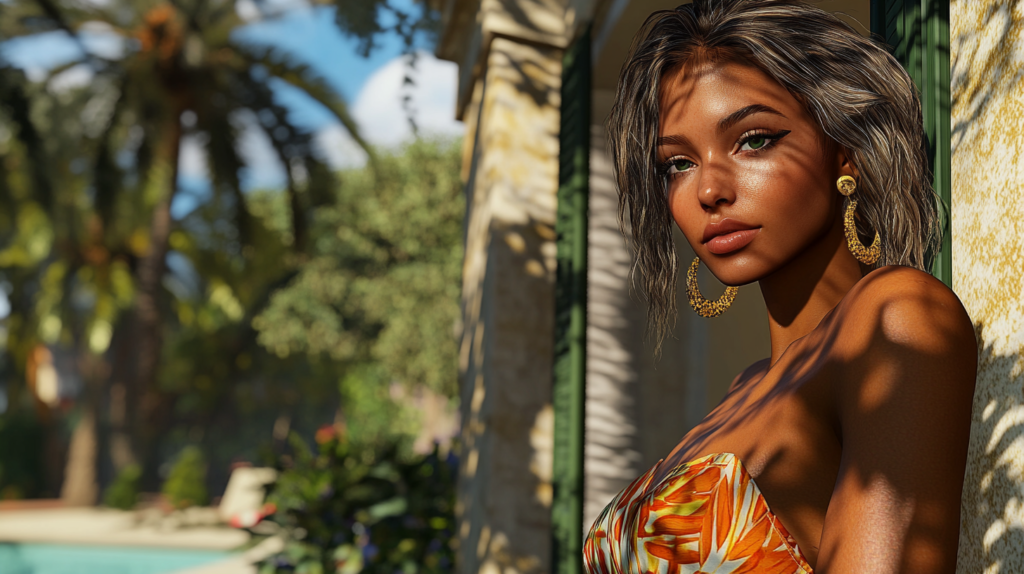
Many people believe that washing their hair every day is the key to maintaining its health. However, this is far from the truth. Overwashing can actually strip your hair of its natural oils, leading to dryness and breakage. It’s essential to find a washing routine that works for your hair type. For mixed hair, washing once or twice a week can help maintain moisture without stripping away those beneficial oils.
Myth: Cutting Hair Frequently Makes It Grow Faster
The idea that frequent trims will speed up hair growth is a common misconception. While regular trims are great for preventing split ends and keeping your hair looking neat, they don’t actually influence how fast your hair grows. Hair growth is primarily determined by your genetics and diet. So, while keeping your ends healthy is important, don’t expect your hair to grow faster just because you cut it more often.
The Truth About Hair Growth and Diet
When it comes to hair growth, what you eat can make a significant difference. A balanced diet rich in vitamins and minerals supports healthy hair growth. Nutrients like zinc, iron, and vitamins A, C, and E are particularly important. So, if you’re looking to boost your hair’s health, focus on nourishing it from the inside out with a diet that includes these key nutrients.
Remember, the journey to healthier hair is a marathon, not a sprint. Be patient, be persistent, and let the journey to lustrous locks be a rewarding one.
Engaging with Experts for Personalized Care

When your hair feels like it’s got a mind of its own, a trichologist might just be your new best friend. These specialists focus on hair and scalp health, digging into issues like hair loss, dandruff, and other scalp conditions. They’re like detectives for your hair, figuring out what’s causing the drama. A visit usually involves an in-depth look at your hair and scalp, sometimes using magnification to get a closer look. They’ll ask about your diet, lifestyle, and even stress levels to piece together the full story.
The Benefits of a Nutritionist
Your hair is what you eat, or so they say. A nutritionist can help you figure out if your diet is missing any key nutrients that could be affecting your hair health. They’ll work with you to create a meal plan that supports not just your hair but your overall well-being. Think of them as your personal guide to better eating habits, ensuring you’re getting enough vitamins and minerals to keep those locks lush.
Creating a Tailored Hair Care Plan
After consulting with the experts, it’s time to put it all together. A personalized hair care plan takes into account everything from your hair type and lifestyle to any specific issues you’re facing. Here’s a simple way to get started:
- Assess Your Hair Needs: Identify what your hair really needs—moisture, strength, or maybe a little bit of everything.
- Choose the Right Products: Based on expert advice, select shampoos, conditioners, and treatments that suit your hair type.
- Monitor Progress: Keep track of how your hair responds to the new regimen and make adjustments as needed.
Personalized care isn’t just a luxury; it’s a necessity for maintaining healthy hair in the long run.
In today’s world, the US hair care market is booming with personalized solutions, making it the perfect time to seek expert advice and tailor your hair care routine.
Practical Tips for a Hair-Healthy Lifestyle
Gradual Dietary Changes
Making sudden changes to your diet can be overwhelming. Instead, try adding one or two hair-friendly foods each week. This way, your taste buds and habits can adjust naturally. Consider foods rich in protein and healthy fats like salmon or nuts.
Smart Snacking for Hair Health
When hunger strikes, reach for snacks that benefit your hair. Skip the processed stuff and go for options like almonds, pumpkin seeds, or a piece of fruit. These snacks are not only satisfying but also packed with nutrients that can support your hair’s health.
Incorporating Hair-Healthy Foods
Incorporating foods that are good for your hair doesn’t have to be a chore. Make it a fun challenge to include more leafy greens, lean proteins, and omega-rich foods in your meals. A balanced diet plays a huge role in maintaining the health of your hair.
Remember, taking small, consistent steps towards a healthier diet can have a significant impact on your hair over time. It’s not about drastic changes but about making sustainable choices that fit into your lifestyle.
Regular physical activity enhances circulation, which is beneficial for the scalp and hair follicles. Additionally, consuming a healthy post-workout snack can contribute to overall hair health. For more on this, check out this page.
Unlocking the Secrets of Natural Oils
The Miracle of Carrot Oil
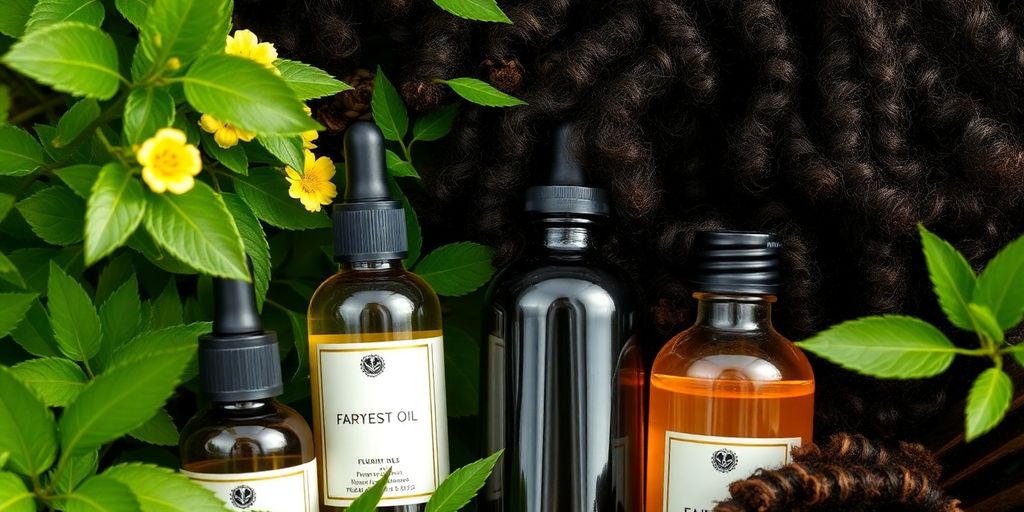
Carrot oil is like a hidden gem in hair care. Extracted from carrot seeds or roots, this oil is packed with vitamins A, E, and C, along with beta-carotene and antioxidants. These nutrients work together to nourish your scalp, promote overall hair health, and potentially boost hair growth. Carrot oil’s moisturizing properties help hydrate dry hair and scalp, reducing brittleness and preventing split ends. Its antioxidant properties protect hair from environmental stressors such as UV radiation and pollution.
To incorporate carrot oil into your hair care routine, try massaging it into your scalp or using it as a pre-shampoo treatment. You can also blend it with other oils like coconut or jojoba for a custom hair treatment. Remember to do a patch test first if you have sensitive skin.
Tea Tree Oil for Hair Growth
Tea tree oil is another powerhouse for hair health. Known for its antimicrobial properties, it helps unclog hair follicles, nourish roots, and stimulate the scalp. This can lead to healthier hair growth and a more vibrant appearance. Tea tree oil also combats scalp conditions that might hinder hair growth.
To use tea tree oil, consider adding a few drops to your shampoo or creating a DIY hair mask. Consistency is key, so make it a regular part of your routine for the best results. Pair it with other natural remedies for even more benefits.
Combining Oils for Maximum Benefit
Combining natural oils can create a powerful hair treatment tailored to your needs. Consider mixing carrot oil with tea tree oil, or even adding in other favorites like argan or olive oil. This blend can offer a range of benefits, from hydration to scalp nourishment.
Here’s a simple recipe to try:
- Ingredients:
- Instructions:
Embrace the power of natural oils to transform your hair care routine. With a bit of experimentation, you can find the perfect blend that works for your unique hair needs.
Conclusion: Nourishing Your Hair from Within
So, there you have it! Taking care of mixed hair isn’t just about the products you use on the outside. It’s about what you put into your body, too. By eating a balanced diet full of proteins, healthy fats, and essential vitamins, you’re giving your hair the best chance to shine. Remember, it’s not an overnight fix. Be patient and consistent with your new habits. Over time, you’ll likely see your hair become stronger and more vibrant. And hey, don’t forget to enjoy the journey. After all, healthy hair is just one part of a healthy you!
Frequently Asked Questions
How often should I wash my hair to keep it healthy?
Washing your hair too often can remove its natural oils, making it dry and prone to breakage. It’s best to wash your hair 2-3 times a week, but it depends on your hair type.
Does trimming my hair make it grow faster?
Trimming your hair doesn’t speed up growth, but it helps get rid of split ends, making your hair look healthier.
What foods help my hair grow stronger?
Foods rich in proteins, vitamins, and healthy fats like eggs, spinach, and salmon can help strengthen your hair.
Can stress really cause hair loss?
Yes, stress can lead to hair loss. Managing stress through activities like exercise and meditation can help keep your hair healthy.
Is it necessary to take hair vitamins for healthy hair?
While a balanced diet is usually enough, some people find that hair vitamins can help fill nutritional gaps and support hair health.
How does hydration affect my hair?
Staying hydrated keeps your hair flexible and less likely to break. Drinking enough water is key to maintaining healthy hair.
Your article helped me a lot, is there any more related content? Thanks!
I don’t think the title of your article matches the content lol. Just kidding, mainly because I had some doubts after reading the article.
Your point of view caught my eye and was very interesting. Thanks. I have a question for you.
Your article helped me a lot, is there any more related content? Thanks!
Can you be more specific about the content of your article? After reading it, I still have some doubts. Hope you can help me.
Your point of view caught my eye and was very interesting. Thanks. I have a question for you.
Heard about jilibetgamesgoldenhour and decided to try it. Had a great time! Good selection of games and the golden hour bonus is a sweet deal. Go check it out! Click here: jilibetgamesgoldenhour
https://t.me/Top_BestCasino/132
Been sinking some hours into basantclubgame lately. Pretty engaging gameplay, and the graphics are surprisingly good. Check it out if you’re looking for something new to play. The place: basantclubgame