
Ever looked in the mirror and thought your skin could use a little pick-me-up? Exfoliation might just be the secret you’re missing. It’s like giving your skin a fresh start by getting rid of the old, dead cells and letting the new, bright ones shine through. But, with all the different exfoliants out there, it can be a bit confusing to know what’s right for you. This guide breaks it down so you can find the perfect match for your skin type and learn how to exfoliate like a pro. Ready to glow? Let’s dive in!
Key Takeaways
- Exfoliation is about removing dead skin cells to reveal fresher skin underneath.
- There are two main types: chemical and physical exfoliants.
- Choosing the right exfoliant depends on your skin type and needs.
- Exfoliating too much can harm your skin, so find the right balance.
- Incorporating exfoliation into your routine can lead to smoother, more radiant skin.
Understanding the Basics of Exfoliation

What is Exfoliation?
Exfoliation is basically about getting rid of those pesky dead skin cells on your skin’s surface. It’s like giving your skin a little spring cleaning. You can do it in two main ways: physical and chemical. Physical exfoliants are the scrubby ones, using ingredients like sugar or coffee grounds to manually slough off the dead stuff. Chemical exfoliants are more like the science-y approach, using acids to dissolve the glue holding those dead cells together. This process helps reveal the fresh, new skin underneath, giving you a brighter look. Exfoliating removes dead skin cells to uncover younger, healthier skin underneath.
Types of Exfoliants
There are a bunch of exfoliants out there, but they generally fall into two camps: physical and chemical.
- Physical Exfoliants: These include scrubs with tiny granules like salt or sugar, and tools like brushes or mitts. They’re great for a manual scrub but can be a bit harsh if you’re not careful.
- Chemical Exfoliants: These use acids like AHAs (alpha hydroxy acids) and BHAs (beta hydroxy acids) to break down the bonds between dead skin cells. They’re often gentler and can work wonders for different skin types.
Benefits of Regular Exfoliation
Exfoliation isn’t just about getting rid of dead skin; it brings a host of benefits:
- Smoother Skin Texture: Regular exfoliation helps smooth out rough patches, making your skin feel soft and look polished.
- Better Product Absorption: By clearing away dead cells, your skin can absorb moisturizers and serums more effectively.
- Brighter Complexion: Say goodbye to dullness! Exfoliating helps reveal a more radiant skin tone.
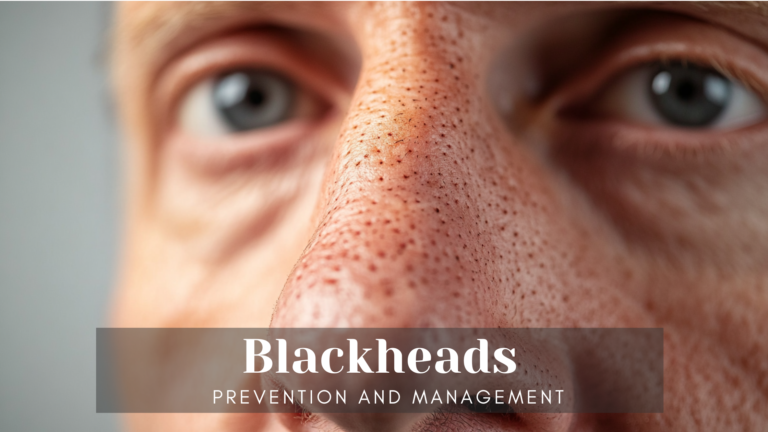
- Fewer Breakouts: By unclogging pores, exfoliation can reduce the chances of acne and blackheads popping up.
- Even Skin Tone: It can help fade dark spots and even out your skin tone.
Exfoliating is like hitting the refresh button for your skin. It not only makes your skin look better but also helps other skincare products work their magic more effectively.
Choosing the Right Exfoliator for Your Skin Type
Identifying Your Skin Type
Before you even think about picking an exfoliator, you need to know your skin type. This might sound basic, but it’s super important. Is your skin oily, dry, combination, sensitive, or acne-prone? Each type has its own quirks and needs. Here’s a quick rundown:
- Oily Skin: Tends to get shiny and might have larger pores.
- Dry Skin: Often feels tight and might flake.
- Combination Skin: Oily in some areas (like the T-zone) and dry in others.
- Sensitive Skin: Reacts easily to products and environmental changes.
- Acne-Prone Skin: Easily breaks out, often oily, but can also be dry.
Knowing your skin type helps you choose the right products that won’t mess up your skin’s natural balance.
Chemical vs. Physical Exfoliants
So, what’s the deal with chemical and physical exfoliants? They both do the job but in different ways.
- Chemical Exfoliants: These use acids or enzymes to dissolve dead skin cells. Think AHAs (Alpha Hydroxy Acids) like glycolic acid and BHAs (Beta Hydroxy Acids) like salicylic acid. They’re great for acne-prone or sensitive skin because they don’t involve scrubbing.
- Physical Exfoliants: These are your scrubs, brushes, and loofahs. They physically remove dead skin cells. They’re good for normal to oily skin but can be too harsh for sensitive types if you’re not careful.
Ingredients to Look For
When you’re scanning the ingredient list, here are some things to keep an eye out for based on your skin type:
- Dry Skin: Look for moisturizing elements like honey, oatmeal, or hyaluronic acid.
- Oily Skin: Ingredients like charcoal and clay can help soak up excess oil.
- Sensitive Skin: Go for soothing ingredients like aloe vera or chamomile.
- Acne-Prone Skin: Salicylic acid or tea tree oil can help keep breakouts in check.
Pro Tip: Always do a patch test with a new product to make sure your skin doesn’t freak out. Better safe than sorry!
Choosing the right exfoliator isn’t rocket science, but it does take a bit of thought. Trust your instincts and listen to what your skin is telling you. Happy exfoliating!
How to Exfoliate Safely and Effectively

Preparing Your Skin for Exfoliation
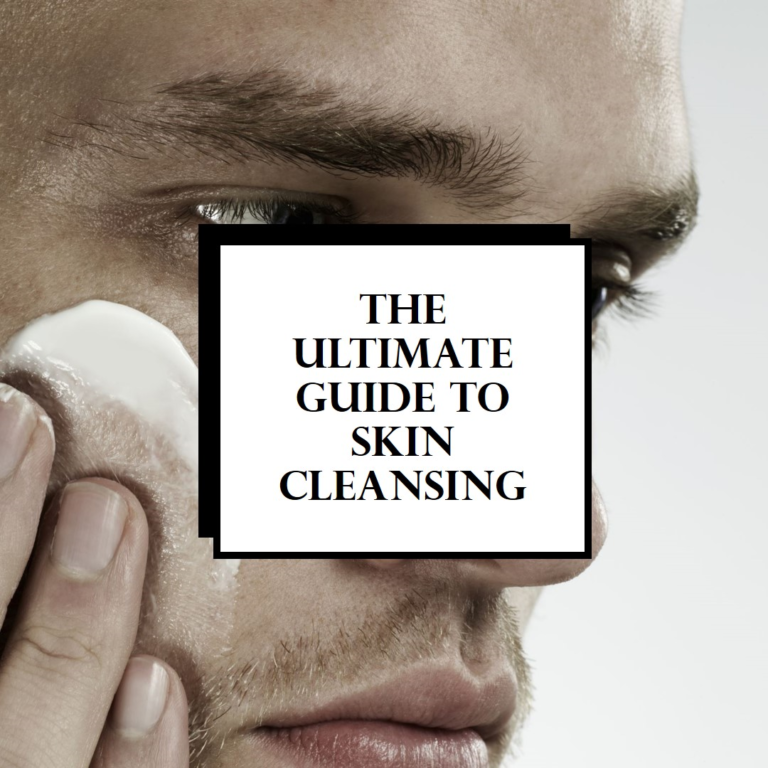
Before you even think about exfoliating, it’s crucial to start with clean skin. Wash your face gently with a mild cleanser to remove any dirt, oil, or makeup. This sets a clean slate, so your exfoliant can work its magic without any barriers. Never skip this step as it ensures the exfoliant can reach your skin directly.
Step-by-Step Exfoliation Guide
- Select the Right Exfoliant: Choose an exfoliant that matches your skin type. For instance, if you have sensitive skin, opt for a gentle chemical exfoliant like lactic acid.
- Application: Apply the exfoliant with soft, circular motions. If you’re using a physical exfoliant, be gentle to avoid any skin damage.
- Rinse Thoroughly: After exfoliating, rinse your face with lukewarm water. Make sure no product residue is left behind.
- Moisturize: Follow up with a hydrating moisturizer to lock in moisture and protect your skin barrier.
Exfoliation is key to achieving radiant skin by removing dead cells and revealing a fresh layer beneath. However, always pay attention to your skin’s response and adjust frequency as needed.
Post-Exfoliation Care
After exfoliating, your skin might be a bit more sensitive, so it’s important to treat it with care. Apply a soothing moisturizer to calm any irritation. Also, don’t forget sunscreen! Exfoliating can make your skin more prone to sun damage, so slather on a broad-spectrum SPF before stepping outside. Avoid using harsh products like retinoids immediately after exfoliating to prevent irritation.
By incorporating these steps into your routine, you can effectively exfoliate your skin, ensuring it stays healthy and glowing. For more on exfoliating techniques, check out our section on physical and chemical exfoliation methods.
Common Exfoliation Mistakes to Avoid
Over-Exfoliating
It’s easy to think that more is better, but when it comes to exfoliating, that’s not the case. Overdoing it can strip your skin of its natural oils, leading to irritation and redness. Aim for a balanced routine: usually, 2-3 times a week is enough for most skin types. If you have sensitive skin, once a week might be your sweet spot. Listen to your skin—if it feels tight or looks red, scale back.
Ignoring Body Exfoliation
Your body needs exfoliation just as much as your face does. Dry brushing is a simple yet effective technique to exfoliate your body. Use a soft-bristled brush and gently massage your skin in circular motions before showering. This helps unclog pores and boosts circulation. Don’t ignore areas like elbows, knees, and feet, which can benefit greatly from regular exfoliation.
Exfoliating Sensitive or Sunburnt Skin
Exfoliating when your skin is sunburnt or overly sensitive can make things worse. It’s tempting to scrub away peeling skin, but patience is key. Allow your skin to heal before reintroducing exfoliation. Once recovered, start gently and gradually increase frequency. Remember, always wear sunscreen to protect your skin from further damage.
During winter, it’s crucial to avoid common exfoliation mistakes such as neglecting hydration and using aggressive scrubs. Proper hydration helps maintain skin moisture, while gentle exfoliation methods are recommended to prevent irritation and dryness. Learn more about hydration during winter.
Incorporating Exfoliation into Your Skincare Routine

Frequency of Exfoliation
Finding the right balance for exfoliation can be a game-changer for your skin. For most people, exfoliating two to three times a week is a sweet spot. But it’s not a one-size-fits-all. If you’ve got oily skin, you might handle a bit more, while sensitive types should stick to less frequent sessions. Start slow and see how your skin reacts. If it gets red or feels too dry, ease up a bit.
Best Time to Exfoliate
Timing is everything, right? For exfoliation, nighttime is usually the best bet. Your skin repairs itself while you sleep, so exfoliating in the evening can help remove dead skin cells and allow your products to work more effectively. Plus, some exfoliants can make your skin a tad more sensitive to sunlight. So, before you hit the sack, consider giving your face a good scrub down.
Combining Exfoliation with Other Skincare Products
Pairing exfoliation with the right products can really boost your skincare game. After exfoliating, your skin is primed and ready to soak up the goodness of serums and moisturizers. Think about using hydrating products that contain hyaluronic acid or ceramides to replenish moisture. Be cautious, though. Mixing strong exfoliants with retinoids or high concentrations of vitamin C can irritate your skin. It’s usually better to alternate these products on different days or times.
Exploring Advanced Exfoliation Techniques
Professional Treatments
When it comes to taking your exfoliation game up a notch, professional treatments are where it’s at. These aren’t your everyday scrubs and masks. We’re talking about techniques like microdermabrasion and chemical peels that can really make a difference. Microdermabrasion uses a special machine to gently sand your skin, removing the thicker, uneven outer layer. It’s great for dealing with sun damage and light scarring. Chemical peels, on the other hand, use a solution to remove the top layers of skin, revealing the fresher skin beneath. These treatments can be intense, so it’s important to consult with a dermatologist to find out what’s right for you.
At-Home Devices
Not everyone has the time or cash to hit up a spa regularly, which is where at-home devices come in handy. These gadgets, like facial brushes or microdermabrasion kits, can give you a taste of professional exfoliation without leaving your bathroom. They’re usually less intense than professional treatments, which makes them a safer option for regular use. Just be sure to follow the instructions closely to avoid overdoing it.
When to Seek Professional Help
Sometimes, your skin might need a little more TLC than what you can give it at home. If you’re dealing with persistent skin issues like severe acne or hyperpigmentation, it might be time to bring in the pros. A dermatologist or licensed esthetician can offer treatments that are stronger and more targeted than what you can do on your own. Plus, they can give you personalized advice on how to maintain your skin’s health in the long run.
Remember, achieving radiant skin involves regular exfoliation to remove dead skin cells that dull the complexion. Understanding your skin type is essential for selecting the right exfoliant, whether chemical or physical. Learn more about achieving radiant skin with the right exfoliation techniques.

Conclusion
So, there you have it, folks! Exfoliation isn’t just a fancy word thrown around in skincare circles; it’s your ticket to smoother, brighter skin. Whether you’re a fan of scrubs or prefer the chemical route, the key is finding what works best for your skin type and sticking with it. Remember, it’s not about scrubbing your face off—gentle and consistent is the way to go. And hey, don’t forget to moisturize afterward! Your skin will thank you for the extra love. So go on, give your skin the fresh start it deserves, and watch it glow like never before. Happy exfoliating!
Frequently Asked Questions
What is exfoliation?
Exfoliation is a skincare process that removes dead skin cells from the surface, revealing fresh and smooth skin underneath.
Why is exfoliation important?
Exfoliation helps to brighten your skin by removing dull, dead cells and unclogging pores, which can prevent breakouts.
How often should I exfoliate my skin?
Most people should exfoliate 2-3 times a week, but if you have sensitive skin, once a week might be enough.
What are the different types of exfoliants?
There are two main types of exfoliants: physical, which use small particles to scrub away dead skin, and chemical, which use acids to dissolve dead cells.
Can I exfoliate my skin if it’s sunburned?
No, you should avoid exfoliating sunburned skin as it can make the irritation worse. Let your skin heal first.
What should I do after exfoliating?
After exfoliating, it’s important to moisturize to keep your skin hydrated and protect it from drying out.



Here is the link for exfoliating: https://mixednature.com/?p=216.
I love how this blog gives a voice to important social and political issues It’s important to use your platform for good, and you do that flawlessly
Can you be more specific about the content of your article? After reading it, I still have some doubts. Hope you can help me.
Thank you for your sharing. I am worried that I lack creative ideas. It is your article that makes me full of hope. Thank you. But, I have a question, can you help me?
I don’t think the title of your article matches the content lol. Just kidding, mainly because I had some doubts after reading the article.
I don’t think the title of your article matches the content lol. Just kidding, mainly because I had some doubts after reading the article.
Your point of view caught my eye and was very interesting. Thanks. I have a question for you.
Can you be more specific about the content of your article? After reading it, I still have some doubts. Hope you can help me. https://accounts.binance.info/en-ZA/register-person?ref=B4EPR6J0
Thanks for sharing. I read many of your blog posts, cool, your blog is very good. https://accounts.binance.com/ro/register?ref=HX1JLA6Z
I don’t think the title of your article matches the content lol. Just kidding, mainly because I had some doubts after reading the article.
This is a topic close to my heart cheers, where are your contact details though?