Getting started with makeup can feel like a lot. There are so many products out there, and it’s easy to get confused about what you actually need. But honestly, you don’t need a million things to create a great look. Building a solid collection of makeup essentials is all about picking the right items that work for you. Whether you’re aiming for a natural vibe or something a bit more dramatic, having these basics will make getting ready way simpler. Think of this as your go-to checklist for all the must-have makeup items.
Key Takeaways
- The right makeup essentials help create a polished look and can protect your skin.
- Eye and lip products add definition and color, making your features pop.
- Good tools, like brushes and sponges, are important for applying makeup smoothly.
- Setting products help your makeup last longer throughout the day.
- Start with a few key items for your face, eyes, and lips, and build from there.
Face Makeup Essentials For A Flawless Base
Getting your face makeup right is like laying the groundwork for a great building. It needs to be solid and smooth so everything else can sit nicely on top. We’re talking about creating that perfect canvas before you add any color or definition.
Primer: The First Step To Smooth Application
Think of primer as a helpful buffer between your skin and your makeup. It’s not just some extra step to skip; it actually makes a difference. A good primer helps your foundation glide on without catching on dry patches or settling into fine lines. It can also help control oil, which is a lifesaver if your skin tends to get shiny throughout the day. Applying a thin, even layer after your moisturizer and before anything else is key. It really helps your makeup last longer and look better, preventing that midday fade or creasing. Some primers even offer a bit of skincare benefit, which is always a plus.
Foundation: Evening Out Your Skin Tone
Foundation is where you start to even things out. You don’t need to cover your whole face in a thick layer; just focus on areas where your skin tone looks a bit uneven or has some redness. If you prefer something lighter, a tinted moisturizer can do the trick too. The goal here is to create a uniform base, not to mask your skin completely. Finding the right shade is super important, so take your time with that. It should blend in so well that you can barely tell where it starts and stops.
Concealer: For Targeted Coverage And Brightening
Concealer is your secret weapon for those little imperfections. Got dark circles under your eyes? A blemish that popped up overnight? Concealer is your go-to. You might want one that’s a shade lighter than your foundation to brighten up the under-eye area, and another that matches your foundation perfectly for spot concealing. It’s all about strategic application to make those areas disappear or look more awake. It’s amazing how a little bit of concealer can make such a big impact on your overall look.
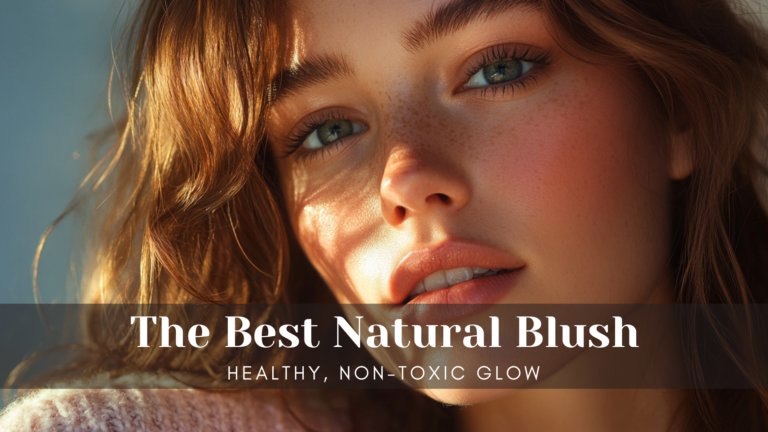
Blush: Adding A Healthy Flush Of Color
Blush is what brings your face back to life after foundation and concealer. It adds that natural, healthy-looking color to your cheeks, making you look more awake and vibrant. You can play around with placement to see what works best for your face shape. A little bit on the apples of your cheeks can give you a youthful glow, while sweeping it up towards your temples can add a bit of lift. Whether you prefer powder or cream formulas, blush is a simple way to add warmth and dimension.
Building a solid base with primer, foundation, and concealer sets the stage for everything else. It’s about creating a smooth, even surface that makes your makeup look its best and last longer throughout the day. Don’t underestimate the power of these foundational steps for a polished appearance.
Eye Makeup Essentials To Define Your Features
Alright, let’s talk about making your eyes pop. Sometimes, just a little bit of makeup can totally change your whole look, making you feel more awake and put-together. It’s not about being super fancy, just about highlighting what’s already there.
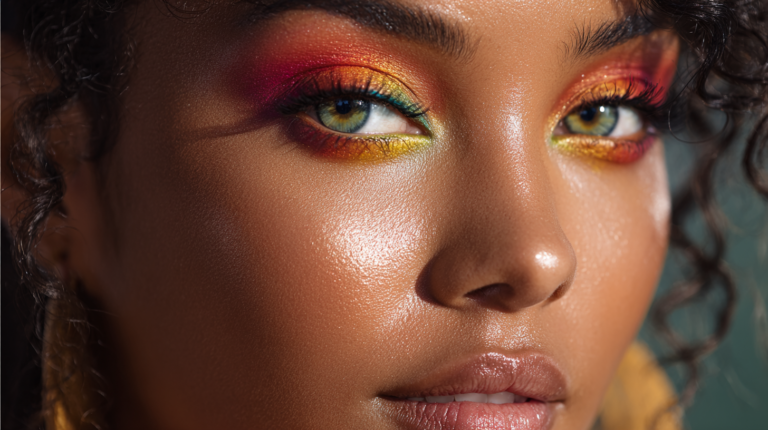
Eyeshadow: Creating Depth And Dimension
Eyeshadow is your best friend for adding some interest to your lids. You don’t need a million colors to start. A good neutral palette is a solid choice. Think about a light shade to sweep all over your lid – it’s like a little brightness boost. Then, grab a slightly darker shade, maybe a warm brown or a soft gray, and use it in the crease of your eye, right under the brow bone. This simple step makes your eyes look deeper and more defined. It’s amazing what a little blending can do!
- Light Shade: Apply all over the lid for a bright base.
- Medium Shade: Use in the crease to add depth.
- Darker Shade (Optional): Line the outer corner for extra definition.
Mascara: Enhancing Your Lashes
Seriously, mascara is a game-changer. It’s probably one of the most important things for making your eyes look more open and awake. A good black or dark brown mascara can add volume and length, making your lashes look fuller. If you’re going for a more natural vibe, a brown mascara might be better, especially if you have lighter hair. Just remember to be gentle when you take it off at night – those lashes are delicate!
Eyeliner: Adding Definition To Your Gaze
Eyeliner is where you can really play with defining your eyes. You can go super simple with a thin line right along your upper lash line, using a pencil or a gel liner. This makes your lashes look thicker and draws attention to your eyes without being too much. If you’re feeling a bit more adventurous, you can try a small wing or a slightly thicker line. It’s all about what makes you feel good.
Eyeliner can be used to subtly enhance your eye shape or to create a more dramatic statement. Experimenting with different types, like pencils, gels, or liquids, and varying the thickness and placement will help you discover your favorite way to define your gaze.
Here’s a quick rundown on how to get started:
- Pencil Liner: Great for beginners, easy to smudge for a softer look.
- Gel Liner: Offers more control and can create sharper lines.
- Liquid Liner: Best for precise, dramatic lines, but takes practice.
- Placement: Try lining just the outer third of your upper lash line for a subtle lift.
Lip Makeup Essentials For A Polished Look
Alright, so you’ve got your base sorted and your eyes looking sharp. Now, let’s talk lips! This is where you can really add that finishing touch, whether you’re going for a subtle hint of color or a bold statement. Don’t overthink it; a few key items can make a big difference.
Lipstick: The Classic Pop of Color
Lipstick is pretty much a miracle worker. Seriously, a swipe of color can totally change your whole vibe and mood. If you’re not feeling super bold, there are tons of natural pinks and nudes that look great for everyday wear. It’s amazing what a little color can do for your face, even if you’re just doing a quick touch-up.
Lip Gloss: For Added Shine and Dimension
Gloss isn’t just about shine; it can also make your lips look a bit fuller and more defined. You can wear it on its own for a natural, dewy look, or layer it over lipstick to add some extra oomph. Some glosses even have plumping ingredients, which can give you that soft, pouty look without any fuss. It’s a nice way to add a little something extra to your look.
Lip Balm: Nourishing Your Pout
Don’t forget about your lips’ health! A good lip balm is a must-have, especially if you tend to get dry lips. Many balms now come with SPF, which is super important for protecting your delicate lip skin from the sun. Keeping your lips moisturized means any lipstick or gloss you apply will look smoother and last longer. Think of it as prepping the canvas before you paint.
Taking care of your lips is just as important as any other part of your makeup routine. A well-moisturized lip is the perfect base for any color or finish you choose to apply. It prevents that uncomfortable dry, cracked feeling and makes sure your lipstick doesn’t settle into fine lines.
Here’s a quick rundown of what to consider:
- Lipstick: Look for formulas that feel comfortable on your lips, whether you prefer matte, creamy, or satin finishes.
- Lip Gloss: Opt for non-sticky formulas if you dislike that tacky feeling. Clear or subtly tinted glosses are super versatile.
- Lip Balm: Choose one with SPF for daytime protection, or a deeply hydrating one for overnight use. You can find some great options for hair growth if you’re looking to explore other beauty avenues.
Building a lip collection doesn’t have to be complicated. Start with a few versatile shades and textures, and you’ll be surprised at how often you reach for them to complete your look.
Essential Tools For Makeup Application
Having the right tools can really make a difference when you’re putting on makeup. It’s not just about the products themselves, but how you apply them. Think of it like cooking – you can have the best ingredients, but without decent utensils, the meal might not turn out as planned. For anyone starting out with a beginner makeup kit, or even those looking to refine their routine, having a few key items in your makeup bag is a game-changer. These aren’t just fancy extras; they are the basic makeup items that help you achieve that polished look.
For another beginner‑friendly breakdown of must‑have products, check out this guide from Revolution Beauty.
Makeup Brushes: For Professional Application
Brushes are probably the most important tools in your makeup arsenal. They help you pick up the right amount of product and blend it out smoothly. Different brushes are designed for different jobs, which might seem overwhelming at first, but a few basics will cover most needs.
- Foundation Brush: Usually has dense bristles to buff foundation into the skin for an even finish.
- Powder Brush: A larger, fluffier brush for applying setting powder or bronzer.
- Blush Brush: Often angled or rounded to apply blush precisely to the apples of your cheeks.
- Eyeshadow Brush: Comes in various sizes for applying shadow all over the lid or into the crease.
- Eyeliner Brush: A small, stiff brush for applying gel or powder eyeliner.
Beauty Sponges: For Seamless Blending
Beauty sponges, often called makeup sponges or blenders, are fantastic for achieving a natural, airbrushed finish. They work well with liquid and cream products like foundation and concealer. The key is to use them damp. When wet, they expand and become softer, allowing for a more diffused application and preventing product from looking cakey.
- How to Use:
- Soak the sponge in water.
- Squeeze out all excess water until it’s just damp.
- Use the rounded side to bounce product onto the skin.
- Use the pointed tip for smaller areas like under the eyes.
Tweezers: For Precision Work
Don’t underestimate the power of a good pair of tweezers! They are incredibly useful for more than just shaping eyebrows. They’re perfect for picking up stray hairs, applying false lashes with accuracy, or even placing small embellishments if you’re feeling creative. A sturdy, well-aligned pair is a must-have beauty product for any makeup enthusiast.
Having these basic makeup items in your kit means you’re ready for anything. They help turn everyday makeup staples into something a bit more special, making sure your essential cosmetic products work their best for you.
Setting Your Makeup For Longevity
So, you’ve spent time perfecting your base, adding color, and defining your features. Now, you want it all to stay put, right? That’s where setting your makeup comes in. It’s like giving your hard work a little insurance policy against fading, smudging, or that dreaded midday shine.
Setting Powder: Controlling Shine and Setting Product
Think of setting powder as your secret weapon against an oily T-zone or any areas that tend to get a bit shiny as the day goes on. A light dusting, especially through the center of your face and under your eyes, can make a big difference. It helps to mattify the skin and keeps your foundation and concealer from creasing. You can use a big fluffy brush for a light veil or a puff for a bit more coverage in specific spots. It’s not about making your face look flat, but rather about keeping things looking fresh and controlled.
Setting Spray: Locking In Your Look
After everything else is in place, a setting spray is the final step to really meld your makeup together and give it staying power. You hold the bottle a little ways from your face – maybe about arm’s length – and give a few spritzes. It helps everything look less powdery and more like your actual skin, just… better. Plus, it creates a barrier that helps your makeup resist smudging and fading throughout the day. It really does make a difference in how long your makeup lasts, especially if you’re out and about or in warmer weather.
The goal here isn’t to create a heavy, mask-like finish. It’s about making your makeup look like it belongs on your skin and will stay there without needing constant touch-ups. A little powder and a good spray can go a long way in keeping you looking polished from morning coffee to evening plans.
Wrapping It Up
So, there you have it. Building a makeup kit doesn’t have to be complicated or break the bank. Starting with these basics means you’ve got a solid foundation for pretty much any look you want to try, whether that’s just a little something for work or going all out for a night out. Don’t feel like you need every single thing right away, though. The best part about makeup is playing around and figuring out what works for you and what makes you feel good. Have fun with it, experiment, and enjoy the process of discovering your own style!
Frequently Asked Questions
What’s the first thing I should put on my face before makeup?
Before you start with your foundation or concealer, it’s a great idea to use a makeup primer. Think of it as a smooth canvas for your makeup. It helps everything go on better and last way longer. Plus, some primers can help control oil, keeping your face looking fresh all day.
What’s the difference between foundation and concealer?
Foundation is like a base coat that evens out your overall skin tone. Concealer is more like a touch-up tool; you use it to cover up specific spots like dark circles under your eyes or little pimples. You can use a lighter concealer to brighten up areas too.
Why do I need blush?
Blush is awesome for adding a little bit of healthy color to your cheeks, kind of like a natural flush. It can make your whole face look more alive and put together. You can pick a shade that looks good with your skin tone or even matches your lipstick.
How does mascara help my eyes?
Mascara is a simple but powerful tool for your eyes. It makes your eyelashes look longer, thicker, and darker, which really helps to open up your eyes and make them stand out. It’s a quick way to look more awake and defined.
What’s the point of lip balm in a makeup kit?
Even though it’s not about color, lip balm is super important! It keeps your lips soft and smooth, so any lipstick or gloss you put on later will look much better and won’t feel dry. It’s all about keeping your pout comfortable and ready for color.
Do I really need special tools like brushes and sponges?
While you can use your fingers for some things, makeup tools like brushes and sponges really help you apply products more evenly and smoothly. Brushes can give you more control for detailed work, and sponges are great for blending foundation and concealer so it looks natural, like your skin but better.