
Tackling multiracial hair care can feel like a maze. With so many textures and types, it’s easy to feel lost. But don’t worry; this guide is here to help you understand, care for, and style your unique hair. Whether you’re looking for the right products or want to try new styles, we’ve got the tips and tricks you need. Let’s dive in and celebrate the beauty of multiracial hair.

Key Takeaways
- Understand your hair type to choose the best products and techniques.
- Common challenges include dryness and tangling, but they can be managed.
- Embrace your unique texture by experimenting with different styles.
- Use natural oils to keep your hair hydrated and healthy.
- Involve kids in their hair care routine to teach them self-love and confidence.
Understanding Multiracial Hair Types

Identifying Your Hair Type
Multiracial hair is a beautiful blend of different textures, often combining the characteristics of both parents’ hair types. Identifying your specific hair type is the first step in mastering its care. Generally, hair can be classified into categories such as straight, wavy, curly, and coily. However, multiracial individuals might find that their hair doesn’t fit neatly into one of these categories. It might be a mix, showing different textures in various parts of the scalp. To identify your hair type, observe how it behaves when wet and dry, and note its curl pattern, thickness, and porosity. Each of these factors plays a role in determining the best care routine.
Common Challenges with Multiracial Hair
With unique beauty comes unique challenges. Multiracial hair can be prone to dryness, tangling, and breakage due to its varied texture. The mix of curl patterns can also make it difficult to find the right products that address all needs. Here are some common challenges:
- Dryness: Due to its texture, multiracial hair often struggles to retain moisture, leading to a dry and brittle feel.
- Tangles and Knots: The varying curl patterns can interlock, causing tangles that are tough to manage.
- Breakage: Because of its delicate nature, this hair type is more prone to breakage, especially if handled improperly.
Embracing Your Unique Texture
Embracing your hair’s unique texture is about celebrating what makes it special. It’s important to love your hair for what it is, rather than trying to force it into a mold it wasn’t meant for. This means finding styles that highlight its natural beauty and using products that nourish rather than alter its structure.
Your hair is an extension of who you are—let it reflect your individuality. It’s about confidence and knowing that your hair, in all its multiracial glory, is just as it should be.
For more detailed insights on human hair types, understanding the distinct characteristics of your hair can guide you in selecting the right care methods and products.
Essential Hair Care Products for Multiracial Hair

Choosing the Right Shampoo and Conditioner
Picking a shampoo and conditioner isn’t just about grabbing whatever smells nice. Multiracial hair often needs a bit more thought. You want products that clean without stripping away all the natural oils. Moisture is your best friend. Look for shampoos that are sulfate-free and conditioners packed with hydrating ingredients. Sometimes, co-washing, which means washing with conditioner instead of shampoo, can be a game-changer.
The Role of Leave-In Conditioners
Leave-in conditioners are like a secret weapon for multiracial hair. They help keep the hair hydrated throughout the day and make detangling a breeze. Apply a small amount to damp hair and work it through with your fingers. This can help lock in moisture and keep those curls looking fresh.
Natural Oils and Their Benefits
Natural oils can be a lifesaver for multiracial hair. Coconut oil, argan oil, and jojoba oil are popular choices. They can provide moisture, reduce frizz, and add a healthy shine. Use them sparingly though, as too much can weigh the hair down. A few drops warmed in your hands and applied to the ends of your hair can make a big difference.
Finding the right products might take some trial and error, but once you do, your hair will thank you. It’s all about maintaining that balance between moisture and strength.
Styling Techniques for Multiracial Hair
Protective Styles for Everyday Wear
Protective styles are a lifesaver when it comes to managing multiracial hair. These styles not only look great but also help maintain the health of your hair by reducing breakage and split ends. Braids and twists are popular choices, offering a variety of options to suit different tastes. You can even enhance your style with accessories like headbands or scarves for that extra flair. Here are a few protective styles to consider:
- Box Braids: Timeless and versatile, these can last for weeks with proper care.
- Two-Strand Twists: Perfect for those who want a quick yet stylish look.
- Bantu Knots: These can be worn as a style on their own or unraveled for beautiful curls.
Heat Styling: Dos and Don’ts
Heat styling can be a game-changer for achieving certain looks, but it requires caution. Always use a heat protectant spray to shield your hair from damage. Limit the use of flat irons and curling wands to prevent dryness and breakage. It’s best to keep the temperature below 350°F for multiracial hair. Remember, less is more when it comes to heat styling.
Creative Braiding Techniques
Braiding is not just functional; it’s an art form. Creative braiding techniques can transform your look and showcase your unique style. Experiment with different patterns and sizes to find what suits you best. Here are some ideas:
- Cornrows: These can be simple or intricate, depending on your mood and occasion.
- Fishtail Braids: A modern twist on the classic braid, perfect for casual outings.
- Halo Braids: Elegant and sophisticated, ideal for special events or just feeling fancy.
Embracing your natural texture while exploring different styles can be empowering. It’s about finding what makes you feel confident and comfortable in your own skin.
Addressing Common Hair Care Myths
Debunking the Grease Myth
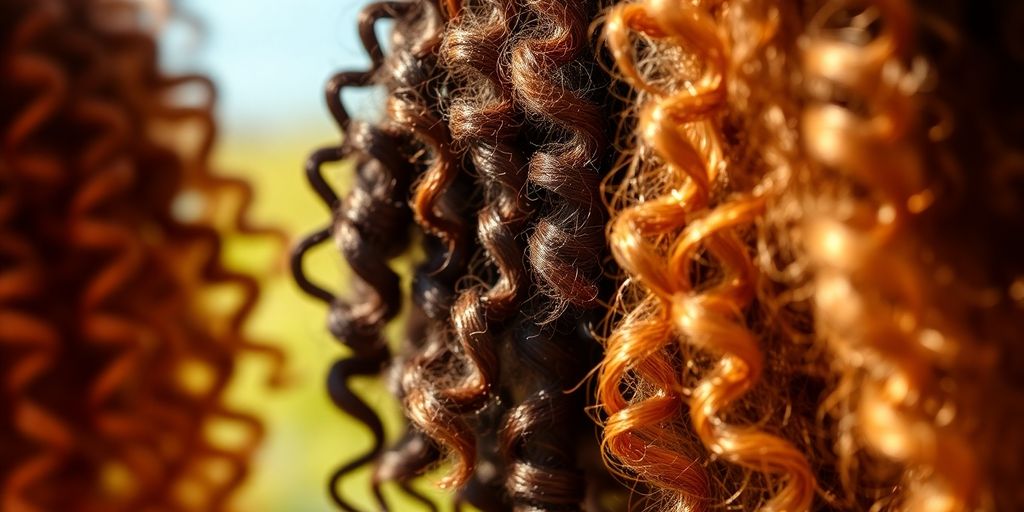
One of the oldest myths floating around is that applying grease to your scalp promotes hair growth. This couldn’t be further from the truth. What actually happens is that heavy oils can clog hair follicles, potentially stunting growth rather than encouraging it. Instead, focus on keeping your scalp clean and moisturized with lightweight oils like argan or jojoba.
Understanding Hair Porosity
Porosity refers to your hair’s ability to absorb and retain moisture. Knowing your hair’s porosity can be a game-changer in choosing the right products and routines. Here’s a quick way to test it:
- Take a few strands of clean hair and drop them in a glass of water.
- Let them sit for a few minutes.
- Observe: If they float, you have low porosity; if they sink, it’s high porosity.
This simple test helps tailor your hair care to what your hair actually needs.
The Truth About Hair Growth
There’s a belief that frequent trims will make your hair grow faster. While trimming is great for getting rid of split ends and keeping your hair looking healthy, it doesn’t speed up the growth process. Hair growth is largely dictated by genetics and overall health. For a more holistic approach to nourishing mixed hair, consider consulting a trichologist or nutritionist to address any underlying issues.
Building a Hair Care Routine
Creating a consistent hair care routine is key to maintaining healthy and vibrant multiracial hair. Whether your hair is curly, wavy, or a unique blend, establishing a routine that fits your lifestyle and hair type can make all the difference.
Daily Maintenance Tips
Daily care is all about keeping your hair clean, moisturized, and protected. Here’s a simple routine you can follow:
- Moisturize: Start your day by spritzing your hair with water or a leave-in conditioner to keep it hydrated. For those with curls, maintaining hydration and moisture is crucial for perfect curls every day.
- Seal in Moisture: After moisturizing, apply a natural oil like coconut or jojoba to seal in the moisture.
- Gentle Styling: Use a wide-tooth comb or your fingers to detangle, and avoid tight hairstyles that can cause breakage.
Tip: Using a satin pillowcase or a silk scarf at night can help reduce friction and prevent breakage.
Weekly Deep Conditioning
Once a week, treat your hair to a deep conditioning session. This helps to replenish lost moisture and nutrients.
- Choose a Deep Conditioner: Look for one with ingredients like shea butter or argan oil.
- Apply Generously: Coat your hair from root to tip and leave it on for at least 20 minutes.
- Rinse Thoroughly: Make sure to rinse out all the product to avoid buildup.
Seasonal Hair Care Adjustments
Your hair’s needs can change with the seasons, so it’s important to adjust your routine accordingly.
- Winter: The cold can dry out your hair, so increase your conditioning and consider protective styles to shield your hair from harsh weather.
- Summer: Humidity can lead to frizz, so use anti-frizz serums and consider lighter products.
- Spring/Fall: These are great times to assess your hair’s health and trim any split ends.
By tailoring your routine to your hair’s unique needs and the changing seasons, you can keep your hair looking and feeling its best all year round.
Cultural Significance of Hair in Multiracial Communities

Historical Perspectives on Hair
Hair has always been more than just a style statement in multiracial communities. It’s a reflection of history, a tapestry woven with stories of identity and survival. From the intricate braids of African ancestors, which served as maps for escape routes, to the straightened styles adopted during the civil rights movement as a form of assimilation, hair has been a silent witness to the struggles and triumphs of multiracial people. It’s a legacy passed down through generations, each strand holding a story of resilience and pride.
Hair as a Form of Identity
For many, hair is an expression of self, a way to showcase cultural roots and personal style. In multiracial communities, hair can be a bridge between different heritages, embracing the diversity that defines them. Whether it’s the natural curls that defy gravity or the sleek styles that speak of modernity, hair is a canvas for creativity and a declaration of individuality. It’s not just about aesthetics; it’s about feeling seen and understood in a world that often tries to box people into categories.
Navigating Cultural Expectations
There’s a delicate balance in meeting cultural expectations while also embracing personal preferences. Some may choose to wear their hair naturally, celebrating its texture and volume, while others might opt for styles that align with professional or societal norms. The choice is deeply personal and often influenced by factors like family traditions, societal pressures, and personal comfort. It’s about finding a style that feels authentic, whether that means wearing it in braids, straightened, or in its natural state. Ultimately, the goal is to wear your hair in a way that honors both your heritage and your personal journey.
Hair is not just a reflection of who we are, but a testament to where we come from and where we’re going. In multiracial communities, it’s a celebration of diversity, a nod to history, and a statement of individuality.
Empowering Children to Love Their Hair
Teaching Self-Love and Confidence
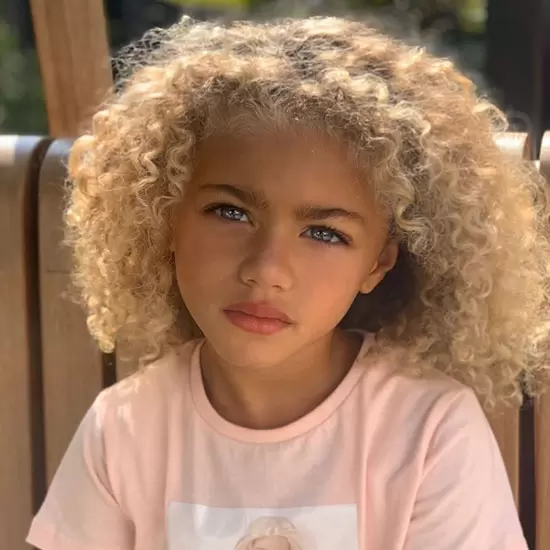
It’s important to start early when it comes to building confidence in kids about their hair. Encourage them to see their hair as a part of their identity, not just something to manage. You can do this by:
- Sharing stories and books that celebrate different hair types.
- Watching shows or movies with characters who have similar hair.
- Talking positively about their hair and showing them how to care for it.
By teaching kids to appreciate their hair, we’re helping them build a strong sense of self-worth. They learn that their hair isn’t a problem to fix but a unique part of who they are.
Fun Hairstyles for Kids
Experimenting with different hairstyles can be a fun way for kids to express themselves and feel proud of their hair. Here are some ideas:
- Braids and Twists: These styles are not only protective but also versatile.
- Afros and Puffs: Let their hair fly free and natural.
- Colorful Accessories: Use beads, bands, and clips to add a splash of color.
Trying out new styles can be exciting for kids and help them see the beauty in their natural hair.
Involving Kids in Hair Care
Getting children involved in their hair care routine can empower them and make them feel more in control. Here’s how you can do it:
- Let them choose their own hair products with guidance.
- Teach them simple techniques for washing and detangling.
- Encourage them to try styling their hair under supervision.
Involving kids in their own hair care helps them understand their hair’s needs and builds a sense of responsibility and pride in maintaining it.

Conclusion
Taking care of multiracial hair can feel like a journey, full of twists and turns, just like the curls themselves. But remember, it’s all about embracing the uniqueness of each strand. Whether you’re a parent trying to figure out the best way to style your child’s hair or someone learning to love their own natural texture, patience and experimentation are key. Don’t be afraid to try new products or techniques, and most importantly, listen to what your hair needs. It’s not about fitting into a mold but celebrating what makes your hair special. So, keep exploring, keep learning, and wear your hair with pride. After all, it’s not just hair—it’s a part of who you are.
Frequently Asked Questions
How can I figure out my multiracial hair type?
To find out your multiracial hair type, look at the curl pattern, thickness, and how oily or dry it feels. Try different products to see what works best for your unique hair.
What are some common challenges with multiracial hair?
People with multiracial hair often face challenges like dryness, frizz, and tangles. Finding the right products and routine can help manage these issues.
What shampoo and conditioner should I use for multiracial hair?
Choose a gentle shampoo and a rich, moisturizing conditioner. Look for products that are free from sulfates and parabens to keep your hair healthy.
How can I style my multiracial hair without causing damage?
To style without damage, use protective styles like braids or twists, and avoid too much heat. If you use heat, always apply a heat protectant first.
Is it true that using grease is bad for my hair?
Using heavy grease can weigh down your hair and make it look greasy. Instead, try natural oils like coconut or argan oil for moisture and shine.
How often should I deep condition my multiracial hair?
It’s good to deep condition your hair once a week. This helps keep it soft, hydrated, and healthy.



Can you be more specific about the content of your article? After reading it, I still have some doubts. Hope you can help me.
I don’t think the title of your article matches the content lol. Just kidding, mainly because I had some doubts after reading the article.
Your point of view caught my eye and was very interesting. Thanks. I have a question for you.
I don’t think the title of your article matches the content lol. Just kidding, mainly because I had some doubts after reading the article.
Your point of view caught my eye and was very interesting. Thanks. I have a question for you. https://www.binance.com/ur/register?ref=WTOZ531Y
I don’t think the title of your article matches the content lol. Just kidding, mainly because I had some doubts after reading the article.
I don’t think the title of your article matches the content lol. Just kidding, mainly because I had some doubts after reading the article.
Thanks for sharing. I read many of your blog posts, cool, your blog is very good.
Thank you for your sharing. I am worried that I lack creative ideas. It is your article that makes me full of hope. Thank you. But, I have a question, can you help me?
Your point of view caught my eye and was very interesting. Thanks. I have a question for you.
Your point of view caught my eye and was very interesting. Thanks. I have a question for you.
I don’t think the title of your article matches the content lol. Just kidding, mainly because I had some doubts after reading the article.
Your point of view caught my eye and was very interesting. Thanks. I have a question for you.
Thanks for sharing. I read many of your blog posts, cool, your blog is very good.
Really good info can be found on weblog. “Politics is applesauce.” by Will Rogers.