
Exploring cultural beauty secrets from around the world is like taking a peek into different cultures’ daily lives. Each place has its own unique way of caring for the skin, using what nature offers and passing down wisdom through generations. Whether it’s the 10-step skincare routine from Korea or the use of coconut oil in Polynesia, these rituals are more than just about looking good—they’re about feeling good, too. They tell stories of heritage, beliefs, and a deep connection to the environment. In this article, we’ll travel the globe, discovering how different cultures embrace beauty in their own special way.
Key Takeaways
- Asian beauty rituals focus on using natural ingredients like green tea and rice water to achieve glowing skin.
- Middle Eastern beauty practices often involve cleansing rituals and the use of natural oils and henna.
- African beauty traditions highlight the importance of natural hair care and the use of shea butter for skin nourishment.
- South American beauty secrets tap into the rich biodiversity, using clay and plant extracts for skincare.
- Western beauty routines are evolving, blending traditional practices with modern innovations and organic products.
Asian Beauty Rituals: Secrets of the East
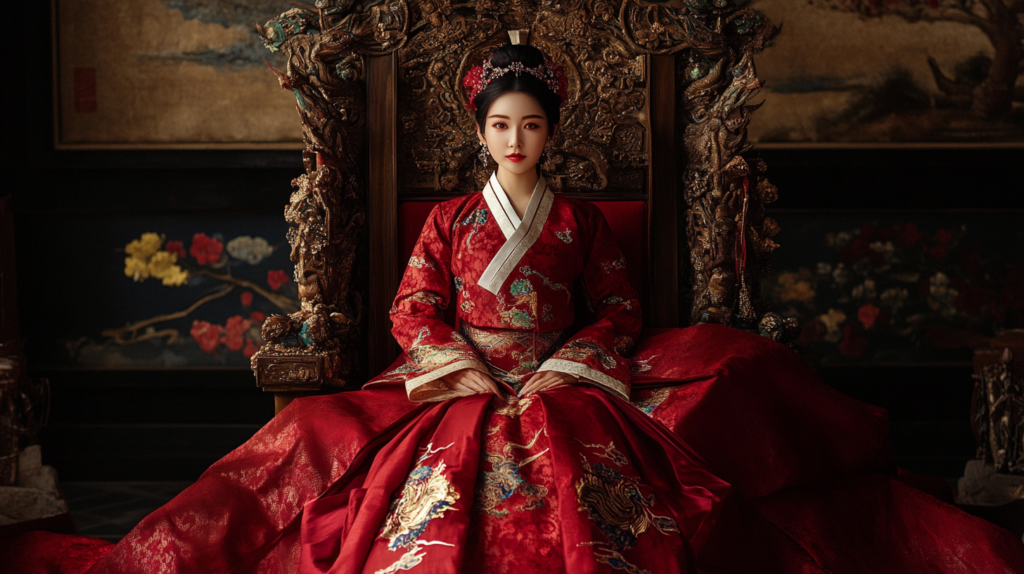
Korean Skincare: The 10-Step Routine
Korean skincare is all about layers. The 10-step routine is famous for its comprehensive approach, starting with double cleansing. You begin with an oil-based cleanser to remove makeup, followed by a water-based one to wash away impurities. Next, a toner preps the skin, followed by essence, serum, and ampoules, each adding a layer of hydration and nutrients. Sheet masks, eye creams, and moisturizers follow, ensuring the skin is deeply nourished. Sun protection is crucial, preventing damage and early aging. This routine isn’t just about products; it’s a calming ritual that promotes self-care and mindfulness.
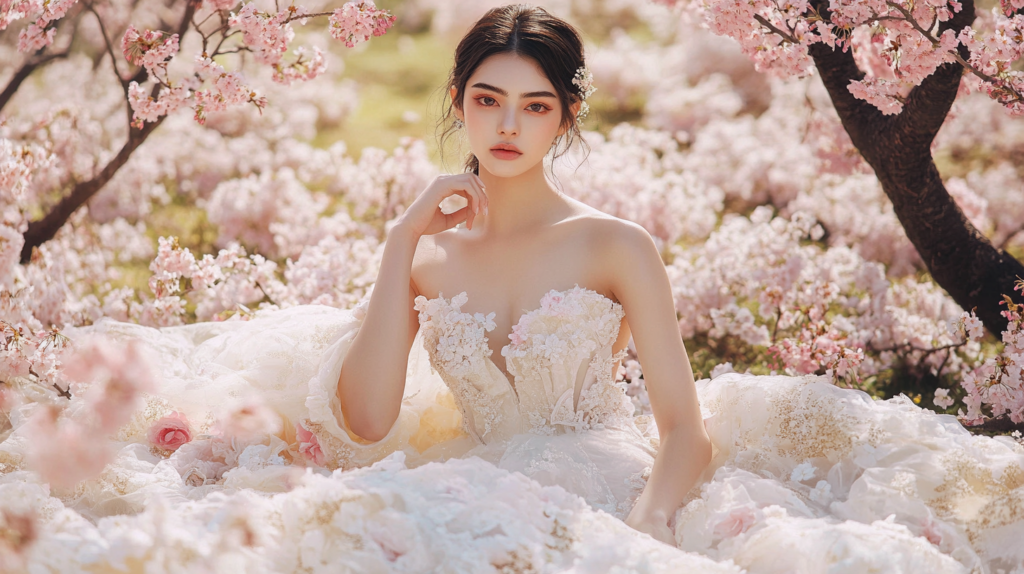
Japanese Geisha Beauty Techniques
Japanese beauty rituals, especially those of geishas, focus on simplicity and natural ingredients. Rice water is a staple, used to cleanse and brighten the skin. Green tea, known for its antioxidants, is another favorite, helping to maintain a youthful glow. Geishas also use camellia oil for its moisturizing properties, keeping their skin smooth and supple. The emphasis is on gentle care and respect for the skin, reflecting a broader cultural appreciation for nature and balance.

Chinese Herbal Skincare Traditions
In China, skincare has long been intertwined with herbal medicine. Traditional Chinese Medicine (TCM) uses herbs like ginseng and goji berries, believed to enhance skin vitality and combat aging. Pearl powder, a popular ingredient, is used for its brightening effects. These practices are rooted in the idea of balancing the body’s energies, promoting not just skin health but overall well-being. Chinese herbal skincare is as much about internal health as it is about external beauty, emphasizing harmony and balance.
Middle Eastern Beauty Traditions: A Blend of Culture and Care
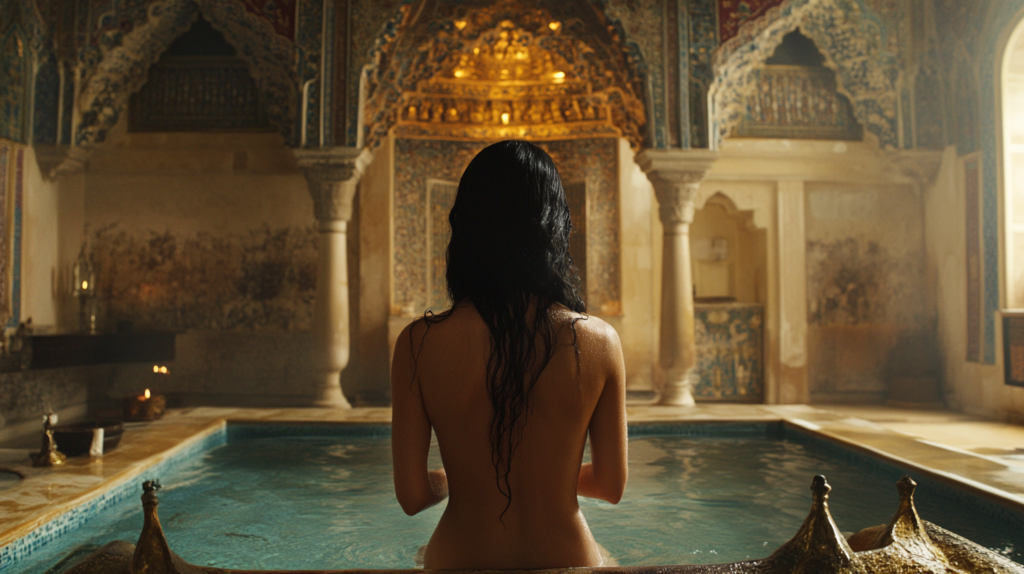
Hammam Rituals: The Art of Cleansing
The Hammam, a traditional steam bath, is more than just a cleansing ritual in Middle Eastern culture. It’s a social space where people gather to relax and rejuvenate. Rich in history, the Hammam experience involves a series of steps designed to purify the body and mind. Starting with a steam session to open up the pores, followed by a scrub with a special glove, and ending with a massage using natural oils like argan or olive oil, this ritual leaves the skin feeling refreshed and soft.
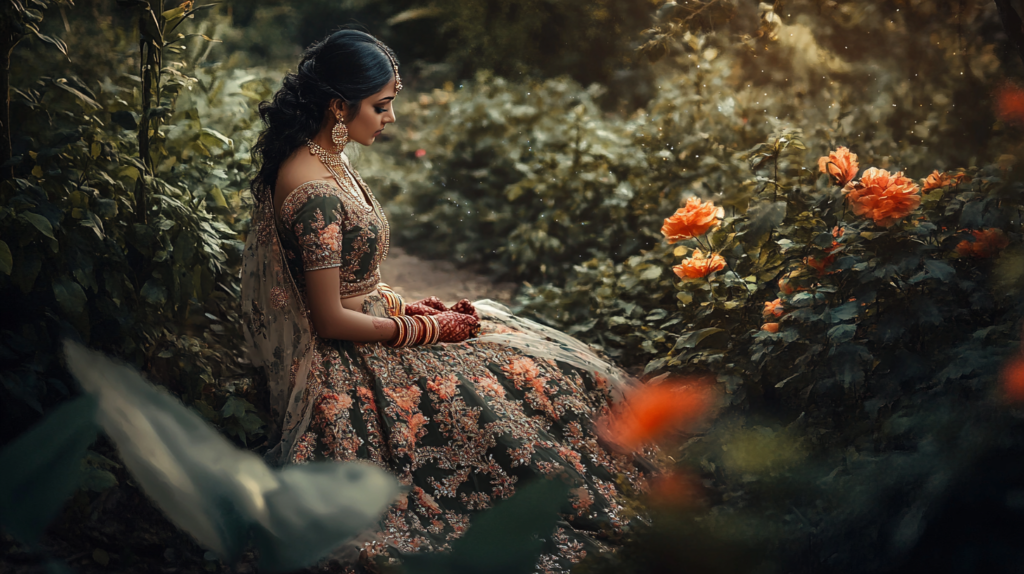
Henna: More Than Just a Dye
Henna is a staple in Middle Eastern beauty, celebrated for its ability to color hair and skin naturally. This plant-based dye is not only used for aesthetic purposes but also holds cultural significance in rituals and celebrations. Applying henna is often a communal activity, especially during weddings and religious festivals, symbolizing joy and prosperity.
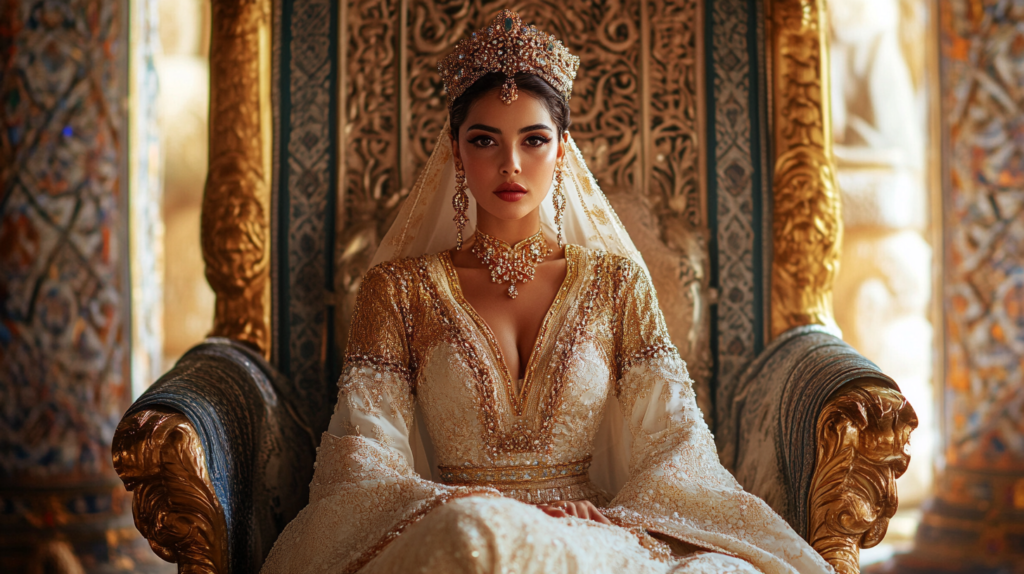
The Power of Argan Oil and Rose Water
Argan oil, often referred to as “liquid gold,” is a cherished beauty product in the Middle East. Packed with nutrients, it nourishes the skin and hair, providing deep hydration and a natural glow. Similarly, rose water is revered for its soothing properties and is used as a toner to calm and refresh the skin. Together, these ingredients form the backbone of many Middle Eastern skincare routines, highlighting a preference for natural, effective solutions.
In the heart of Middle Eastern beauty traditions lies a profound connection to nature and community. These rituals not only enhance physical beauty but also foster a sense of well-being and cultural identity.
African Beauty Rituals: Embracing Natural Heritage
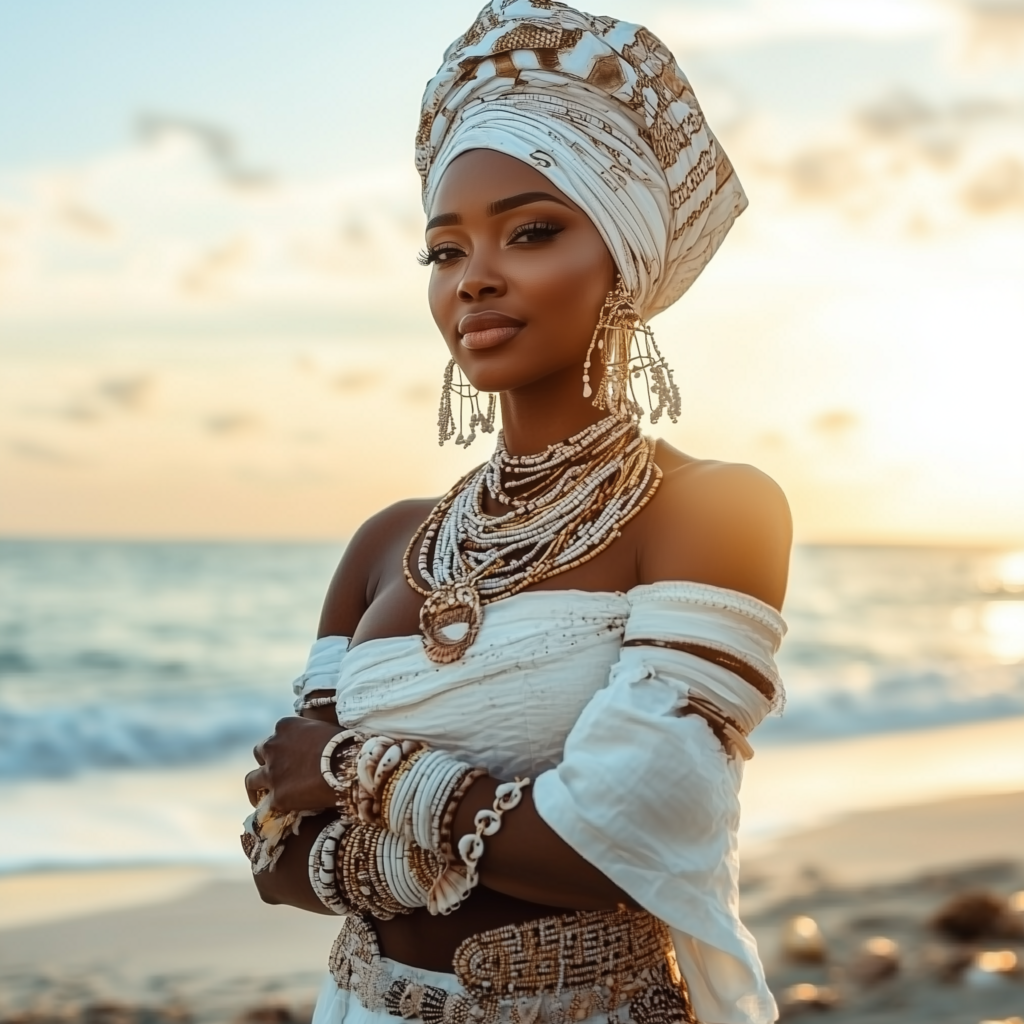
The Significance of Shea Butter in Skincare
Shea butter is a staple in African skincare, known for its rich, moisturizing properties. Extracted from the nuts of the shea tree, it is used widely for its ability to hydrate and soothe the skin. Its natural vitamins and fatty acids make it incredibly nourishing, especially for dry skin. In many African communities, shea butter is not just a beauty product but a cultural symbol, representing a connection to the land and tradition.
Hair Care and Styling: A Cultural Expression
Hair care in Africa is deeply tied to cultural identity and personal expression. From intricate braiding styles to the use of natural oils, hair is styled to reflect heritage and creativity. African hair care routines often incorporate natural ingredients like coconut oil and aloe vera, which help maintain moisture and promote healthy hair growth. Hair styling is not just about aesthetics; it’s a way of preserving history and showcasing individual and communal identity.
Symbolic Beauty Practices and Their Meanings
Beauty practices in Africa often carry deep symbolic meanings. They can signify rites of passage, social status, or community belonging. For instance, traditional scarification or the use of henna can denote a person’s journey in life or their role within the community. These practices are more than skin deep; they are a way to connect with one’s roots and celebrate cultural heritage.
In African cultures, beauty is not just about appearance but about embracing one’s identity and heritage. These rituals remind us of the importance of tradition and the beauty of diversity.
South American Beauty Traditions: Nature’s Bounty
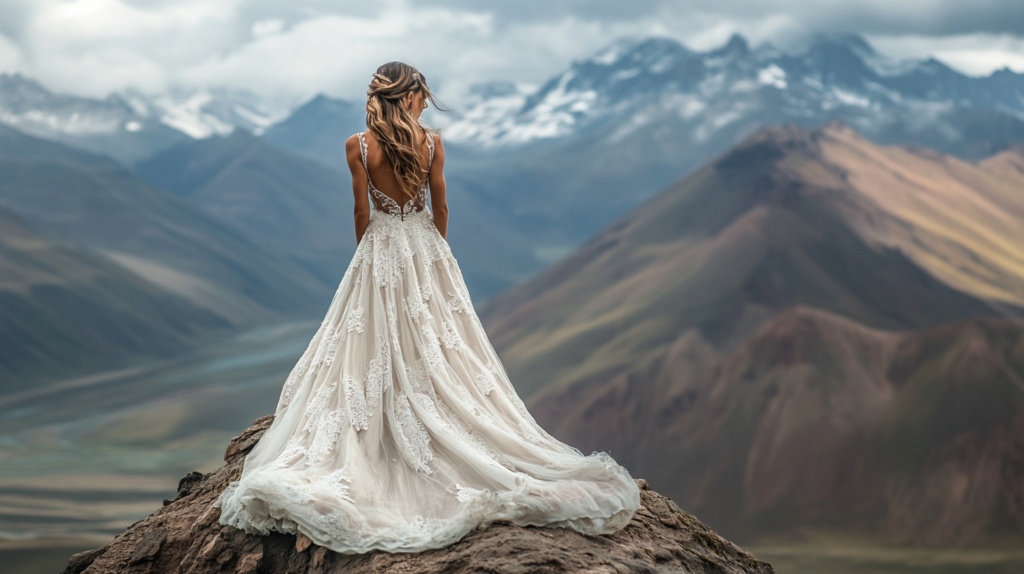
Andean Skincare with Mineral-Rich Clay
In the Andes, the use of mineral-rich clay is a cherished skincare tradition. This clay, sourced from the volcanic soils, is packed with essential minerals that help purify and detoxify the skin. Locals swear by its ability to clear impurities and leave the skin feeling refreshed. It’s not just a beauty treatment; it’s a connection to the earth. People often mix the clay with natural ingredients like honey or yogurt to enhance its benefits. Applying this clay mask is a ritual in itself, often accompanied by a moment of reflection or meditation.
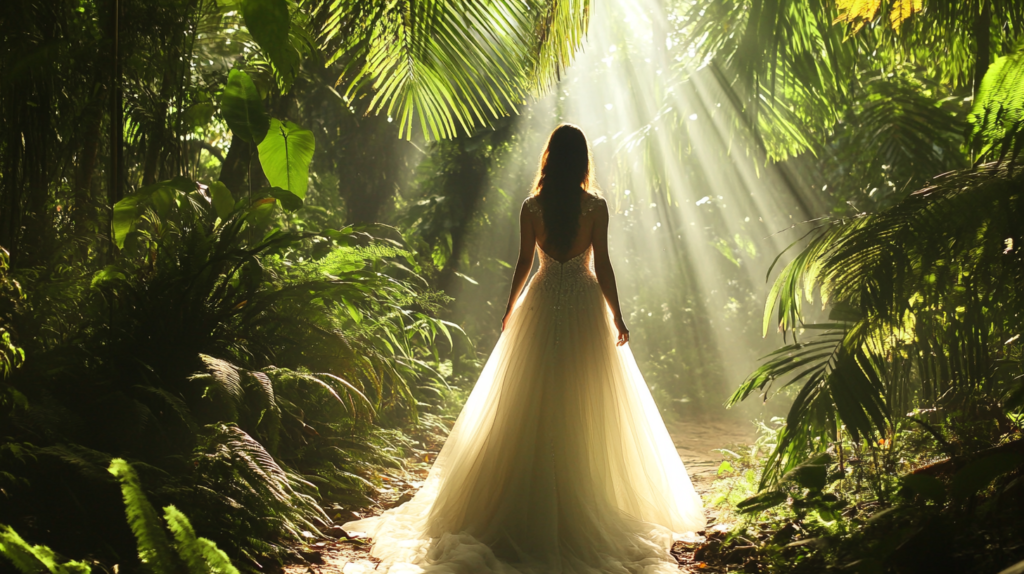
Amazonian Plant Extracts for Radiant Skin
Deep in the Amazon rainforest, a treasure trove of plant extracts offers incredible skincare benefits. Ingredients like açaí berries and cupuaçu butter are rich in antioxidants and vitamins, providing protection and nourishment for the skin. These natural wonders are often used in homemade remedies, passed down through generations. The vibrant colors and unique scents of these ingredients make them a sensory delight. Amazonian beauty secrets are all about harnessing the power of nature to achieve radiant skin.
Celebrations and Spirituality in Beauty
In South America, beauty rituals are often intertwined with celebrations and spiritual practices. Whether it’s preparing for a festival or a spiritual ceremony, beauty is seen as a way to honor the occasion. Traditional dances and music often accompany these rituals, creating a sense of community and joy. The act of beautifying oneself is not just about appearance; it’s about embracing one’s identity and cultural heritage. This holistic approach to beauty reflects a deep respect for tradition and the belief that true beauty comes from within.
Western Beauty Rituals: A Fusion of Old and New
In the West, beauty rituals have always been a mix of tradition and innovation. Over time, these practices have evolved, influenced by cultural exchanges and technological advances.
The Evolution of Skincare in the West
Western skincare has seen a significant transformation over the decades. From simple homemade remedies to high-tech solutions, the journey has been fascinating. The introduction of scientific research into skincare has revolutionized how people approach beauty, leading to more effective and personalized products. Today, it’s not uncommon to find skincare lines that focus on specific skin types and concerns, offering tailored solutions for individuals.
Incorporating Global Beauty Practices
The Western beauty industry is increasingly embracing global influences. This is evident in the popularity of Korean sheet masks, Indian turmeric masks, and African shea butter products. Cultural exchange has enriched Western beauty routines, introducing new ingredients and techniques that were once foreign. This blending of practices not only diversifies the market but also brings a richer understanding of beauty as a universal concept.
The Rise of Natural and Organic Products
In recent years, there has been a noticeable shift towards natural and organic beauty products in the West. Consumers are becoming more conscious of what they put on their skin, leading to a demand for clean and sustainable options. Brands are responding by creating products free from harmful chemicals, using ingredients sourced from nature. This trend reflects a growing awareness of health and environmental issues, as well as a desire for products that align with personal values.
In the quest for beauty, the West continues to balance tradition with innovation, drawing from a global palette of practices to create a diverse and dynamic beauty landscape.
Polynesian Beauty Secrets: The Coconut Oil Tradition
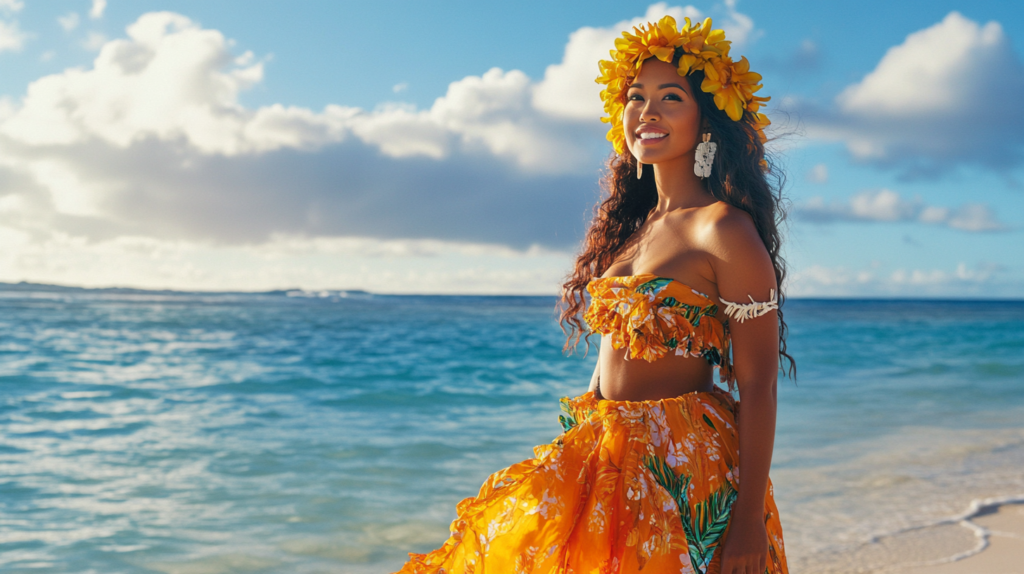
Coconut Oil: A Polynesian Staple
In the heart of Polynesia, coconut oil is more than just a beauty product—it’s a way of life. Coconut oil is a staple in everyday routines, cherished for its versatility and nourishing properties. Locals have long used this natural wonder for moisturizing skin and conditioning hair. It’s not just about beauty; coconut oil also plays a role in protecting against the sun’s harsh rays, thanks to its natural SPF properties.
Traditional Uses and Modern Adaptations
The traditional uses of coconut oil in Polynesia are vast. From being a key ingredient in ceremonial rituals to a daily health remedy, its significance is profound. Over time, these age-old practices have found their way into modern beauty routines worldwide. People now blend coconut oil with other natural ingredients, creating DIY beauty treatments at home. The popularity of coconut oil has surged globally, with many embracing its benefits for skin and hair care.
Cultural Significance of Coconut in Beauty
Coconut oil’s importance goes beyond its practical uses. In Polynesian culture, it symbolizes purity and a deep connection to nature. This oil is often used in traditional ceremonies, highlighting its role in cultural identity. The process of making coconut oil itself is a communal activity, strengthening bonds within the community. Embracing these traditions offers a glimpse into the rich cultural tapestry of Polynesia and the enduring legacy of coconut oil in their beauty rituals.
The essence of Polynesian beauty rituals lies in their simplicity and connection to nature. Coconut oil, with its myriad of uses, embodies this philosophy, offering a natural path to beauty and wellness.
Indian Beauty Rituals: The Ayurvedic Approach
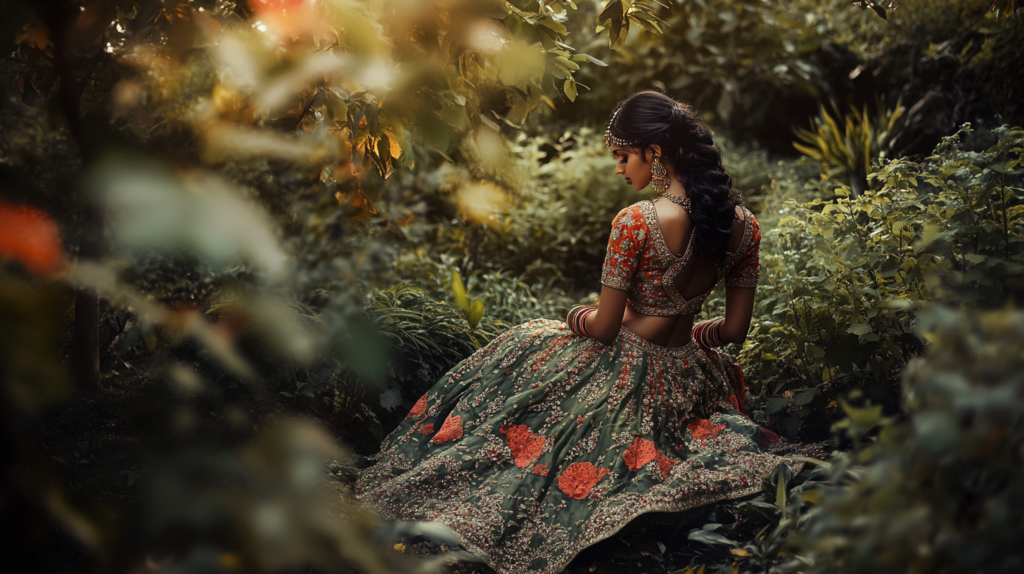
The beauty rituals in India are deeply rooted in the ancient science of Ayurveda, which emphasizes a holistic approach to wellness. This philosophy views beauty as an integration of mind, body, and spirit, and it’s all about balance. Ayurveda champions the use of natural ingredients to promote healthy skin and overall well-being.
Turmeric and Neem: Nature’s Healers
Turmeric and neem are two of the most cherished ingredients in Ayurvedic skincare. Turmeric, with its vibrant yellow hue, is renowned for its anti-inflammatory and antioxidant properties. It’s a staple in many ancient Indian beauty rituals, helping to brighten and purify the skin. Neem, on the other hand, is celebrated for its antibacterial qualities, making it perfect for addressing skin issues like acne and maintaining a healthy scalp.
Abhyanga: The Art of Self-Massage
Abhyanga is a traditional Ayurvedic practice that involves self-massage with warm herbal oils. This ritual not only nourishes the skin but also supports detoxification and relaxation. The act of massaging oil into the skin is akin to an expression of self-love, as the Sanskrit word “sneha” means both “to oil” and “to love.” It’s a soothing way to start the day, promoting both physical and mental well-being.
Balancing Mind, Body, and Spirit
Ayurvedic beauty rituals go beyond skin-deep benefits. They are about achieving harmony within oneself. This balance is achieved through diet, lifestyle, and mindfulness practices, all tailored to an individual’s unique constitution, or dosha. Whether it’s through the calming scent of sandalwood or the refreshing touch of rose water, these rituals foster a sense of inner peace and outer radiance.
Embracing Ayurvedic beauty is not just about looking good; it’s about feeling good, too. It’s a journey towards harmony and serenity, where every ritual is a step towards a more balanced life.
Conclusion
Wrapping up our journey through the world’s beauty secrets, it’s clear that skincare is more than just a routine—it’s a reflection of cultural identity and values. From the meticulous steps of Korean skincare to the spiritual essence of Middle Eastern rituals, each tradition offers a unique perspective on beauty. These practices remind us that beauty is deeply personal and culturally rich. So next time you reach for your favorite product, remember the stories and traditions behind it. Embrace the diversity and wisdom from around the globe, and maybe even try incorporating a new ritual into your routine. After all, beauty is universal, but the way we celebrate it is wonderfully diverse.
Frequently Asked Questions
What makes Korean skincare unique?
Korean skincare is famous for its detailed 10-step routine, focusing on cleansing, toning, and moisturizing. It uses natural ingredients like green tea and rice water to keep skin looking young and fresh.
Why are Hammam rituals important in the Middle East?
Hammam rituals are traditional cleansing practices in the Middle East that promote relaxation and purification. They often use natural ingredients like argan oil and rose water.
What role does shea butter play in African beauty routines?
Shea butter is a key ingredient in African beauty practices, known for its moisturizing and nourishing properties. It’s used in hair and skin care to keep them healthy and hydrated.
How are Amazonian plant extracts used in South American skincare?
In South America, Amazonian plant extracts are used for their rich nutrients. They help in keeping the skin radiant and are often part of natural beauty treatments.
What is the significance of coconut oil in Polynesian beauty?
Coconut oil is a staple in Polynesian beauty routines, used for its moisturizing properties. It is applied to both skin and hair to keep them healthy and shiny.
How does Ayurveda influence Indian beauty practices?
Ayurveda, an ancient Indian practice, uses natural ingredients like turmeric and neem for skincare. It focuses on balancing the mind, body, and spirit for overall well-being.



Your point of view caught my eye and was very interesting. Thanks. I have a question for you.
I don’t think the title of your article matches the content lol. Just kidding, mainly because I had some doubts after reading the article.
Thank you, your article surprised me, there is such an excellent point of view. Thank you for sharing, I learned a lot. https://www.binance.com/tr/join?ref=T7KCZASX
I don’t think the title of your article matches the content lol. Just kidding, mainly because I had some doubts after reading the article.
Your article helped me a lot, is there any more related content? Thanks! Binance账户创建
I don’t think the title of your article matches the content lol. Just kidding, mainly because I had some doubts after reading the article.
Your point of view caught my eye and was very interesting. Thanks. I have a question for you.
I don’t think the title of your article matches the content lol. Just kidding, mainly because I had some doubts after reading the article.
Your article helped me a lot, is there any more related content? Thanks!
https://www.fvhospital.com/
Платформа для откровенных материалов предлагает широкий
выбор видео для взрослых
развлечений. Выбирайте надежные платформы для конфиденциального опыта.
Also visit my homepage; BUY VIAGRA