Key Takeaways
Achieving a seamless, minimalist makeup look when your skin has natural bumps, pores, or dry patches is entirely possible with the right techniques and careful preparation. Below are the key points to remember when crafting an effortlessly fresh base:
- Daily chemical exfoliants smooth rough surfaces without the physical abrasion of harsh scrubs.
- Hydration should focus on lightweight humectants rather than heavy, occlusive creams that cause sliding.
- Primer selection should match the base chemistry of your foundation for flawless adherence.
- Micro-sprinkling or targeted powdering keeps the perimeter of the face glowing while controlling high-shine spots.
- Damp sponge stippling presses product into the skin rather than letting it sit on top of pores.
Preparing your skin’s surface for smooth application
Creating a flawless base for textured skin is less about masking flaws and more about cultivating a healthy, responsive canvas. Before any cosmetic product touches your face, the underlying skin must be balanced, hydrated, and thermally receptive. When your skin is flaky or inflamed, bases will inevitably cling and call attention to the very areas you want to soften. Cultivating a smooth texture relies on intentional, barrier-conscious skincare habits.
The role of gentle chemical exfoliation
Dead skin cells naturally accumulate in the valleys of fine lines, acne scars, and enlarged pores, creating an uneven surface that catches light and makeup. Rather than scrubbing these areas with abrasive physical particles, incorporating gentle chemical exfoliants like lactic acid or polyhydroxy acids (PHAs) offers a safer alternative. These acids dissolve the intercellular glue holding dead cells to the surface, gradually leveling out the micro-topography of your face. For those looking to master a no-makeup makeup routine, consistent, mild chemical resurfacing is far more effective than an emergency scrub right before makeup application.
Benefits of deep hydration versus heavy occlusion
Many people make the mistake of piling on thick, occlusive barrier creams to smooth out dry patches. However, heavy occlusive creams create a slippery, non-binding film on the skin that prevents your foundation from adhering. Instead, prioritize deep hydration using lightweight humectants like hyaluronic acid or glycerin. These ingredients draw moisture into the skin cells, plumping them from within to naturally minimize the depth of pores and structural shadows.
To keep your daily routine organized and protect your favorite cosmetic tools, storing your essentials in high-quality containers can make a surprisingly big difference. For instance, putting your damp sponges or small damp cloths in clean glass meal prep containers is an excellent way to maintain hygiene and prevent environmental dust from settling on your application tools.
How skin temperature influences product adherence
Your skin’s surface temperature plays a critical role in how cosmetics bond with your tissue. When the face is too cold, creams and liquids stiffen up, making them sit like a mask on top of high points. Conversely, if your skin is too hot or sweaty, products melt and slide into natural creases. Washing your face with lukewarm water and allowing your skincare layers to cool to match your natural body temperature ensures that the base products you apply can chemically fuse with the skin barrier.
Choosing the right primer for textured skin
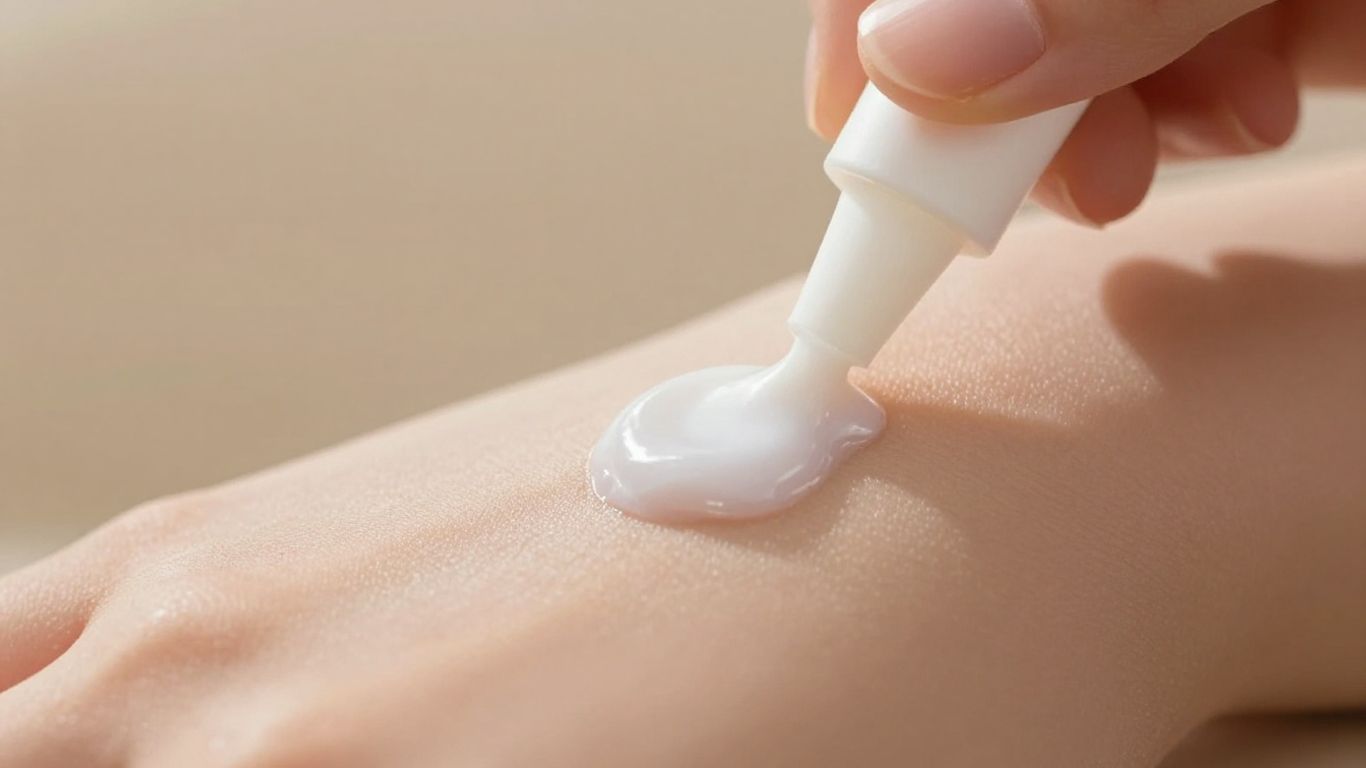
Selecting a primer is a critical step because it acts as a physical and chemical buffer between your face and your makeup. For textured profiles, a primer should never feel like a thick mask. Instead, it should act as a subtle filter that refines how light bounces off the face.
Silicone-based versus water-based primer science
Understanding the science behind your primer formulary is essential for stopping your makeup from separating. Matching the base of your primer with the base of your foundation is the golden rule. Water-based primers are excellent for dry, flaky textures because they provide a continuous release of moisture throughout the day. Silicone-based primers, on the other hand, utilize polymers to fill in deep valleys and create a flat, slick surface. For those seeking a cohesive no-makeup makeup look, mismatched bases will cause your makeup to bead and slip off by midday.
Smoothing formulas that physically blur pores
Blustery, dimethicone-heavy formulas excel at scattering light, which visually airbrushes the appearance of uneven skin. These blurring primers must be pressed directly into the areas with enlarged pores using a firm, tapping motion. Swiping or rubbing these primers merely pushes the product across the surface rather than packing it into the micro-indentations where it is needed to level out the canvas.
In the spirit of creating streamlined, harmonious systems that make daily routines effortless, it is helpful to design your beauty setup so that you do not have to think twice about your choices. Just as the systemic leadership principles outlined in The System Shouldn’t Need You suggest creating simple, actionable rules to reduce friction, establishing a clean, structured makeup vanity helps you execute your application steps flawlessly, without relying on guesswork.
Neutralizing redness to minimize visual disturbance
Textured skin is frequently accompanied by erythema, or localized redness, from active inflammation or scarring. This color variance draws the eye toward the texture, making it look deeper and more dramatic than it actually is. Applying a sheer, color-correcting green primer only to the areas of redness helps neutralize the tone, minimizing visual disturbance and reducing the absolute amount of pigment-heavy concealer you will need later.
Selecting base products that resist settling
Your choice of foundation can make or break your entire look. Traditional heavy cosmetics are designed to maximize pigment saturation, which unfortunately makes them prone to sliding into crevices and magnifying dry patches. Shifting your focus toward lightweight, breathable bases is essential for a convincing finish.
Why serum-based foundations outperform traditional formulas
Serum foundations are formulated with a high ratio of skincare ingredients, allowing them to stretch and flex alongside your natural facial expressions. Traditional heavy fluids rely on dense pigments that dry down into a rigid, powdery layer, which inevitably cracks over fine lines and active blemishes. By using a fluid, serum-rich base, you provide your skin with ongoing hydration while ensuring the pigment particles remain suspended in a flexible, dewy matrix.
Choosing skin tints with light-reflective particles
Skin tints that feature micro-fine, non-shimmery light-reflective particles are incredibly effective at camouflaging structural unevenness. Instead of physically filling in a pore, these formulas scatter the incoming light, creating an optical illusion of smoothness. This gentle reflection distracts the human eye from shadows, providing a radiant finish that looks like healthy skin rather than a layer of powder.
Understanding why high-coverage matte products fail
High-coverage matte products are meant to absorb light and eliminate all oil. While this works beautifully on completely flat, smooth skin under studio lighting, it is a recipe for disaster on textured skin in daylight. Matte formulas flatten the natural dimensions of your face, making any raised bumps or deep scars cast prominent, dark shadows. The lack of moisture in matte bases also causes them to cling to microscopic dry patches, creating a cracked, parched appearance within hours of application.
Application techniques for a skin-like finish
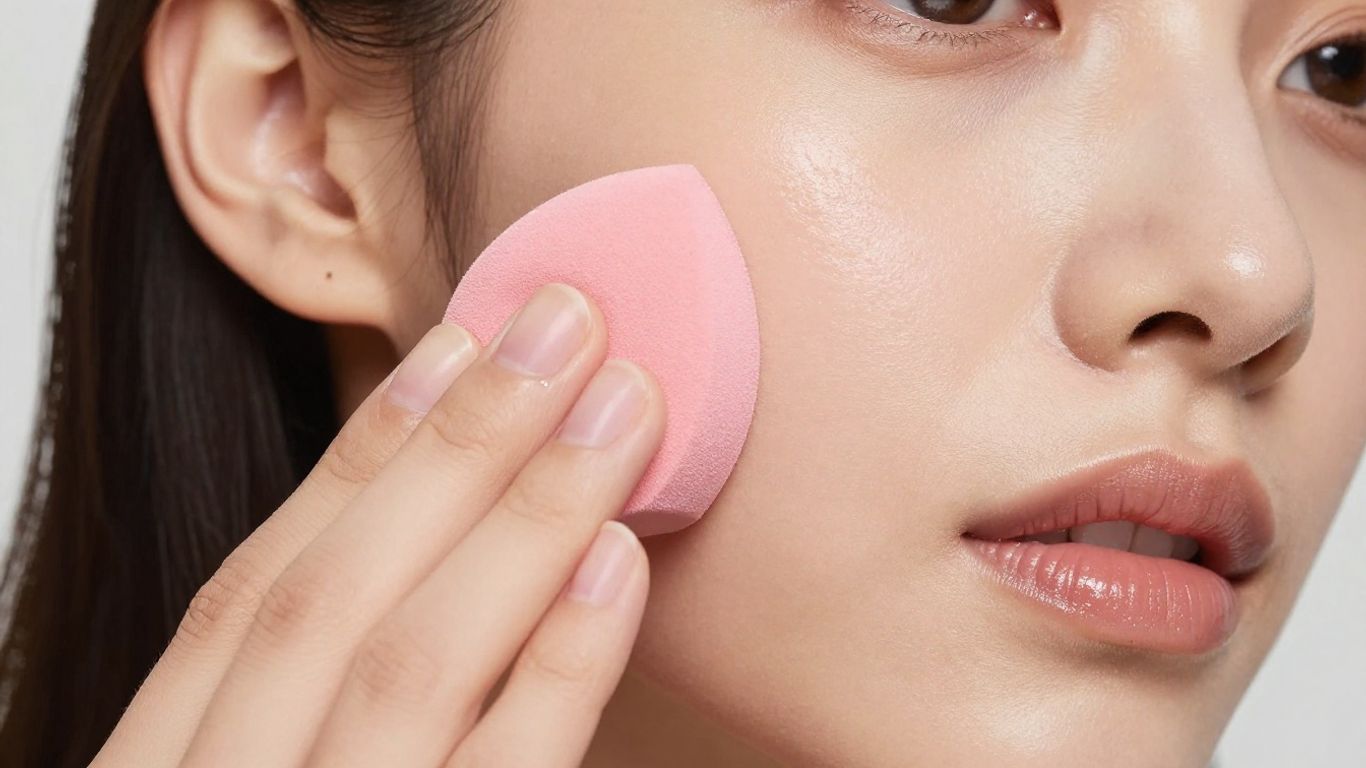
Even the most expensive, scientifically advanced foundation will look heavy if it is applied incorrectly. How you physically transfer the product onto your face determines whether it floats seamlessly over your pores or clings to them.
Damp sponge stippling versus traditional brush buffing
While makeup brushes are excellent for deposit-rich pigment delivery, their synthetic bristles can micro-exfoliate the skin during the buffing motion, raising tiny dry flakes that were previously invisible. In contrast, using a damp beauty sponge to stipple your makeup is much gentler. This tapping motion presses the product directly into the skin’s valleys, packing it firmly into place without disturbing the delicate skin barrier underneath.
Applying makeup while layers remain slightly tacky
Timing is everything when building a skin-like finish. Instead of waiting for your primer and moisturizer to dry down completely, apply your liquid base while the face is still slightly tacky. This allows the foundation pigment to bind directly to the moist, receptive prep layers, turning them into a single, cohesive unit. Adopting a meticulous skincare first approach ensures that your cosmetic layers work in harmony with your natural oils rather than fighting against them.
To see this layering process in action, you can watch a visual walk-through on how to blend these steps together:
Using fingertips to warm and melt cream products
For stubborn dry spots or targeted areas around the eyes, nothing beats the natural warmth of your fingertips. The ambient heat from your hands softens the natural waxes and oils in cream concealers. Gently pressing—never rubbing—the product with your ring finger melts it into the skin, ensuring it mimics the natural texture of your face without settling into fine lines.
Setting your look without emphasizing texture
Once your liquids and creams are perfectly blended, securing them in place without creating a dry, cakey layer is the ultimate balance. Traditional heavy-handed powdering can quickly ruin a gorgeous, fresh finish, so you must target your setting products with precision.
Targeted powder application strategies for high-texture zones
Instead of sweeping a giant powder brush across your entire face, use a small, fluffy eyeshadow brush to apply powder only where it is absolutely necessary. Keep the perimeter of your face, like the cheekbones and temples, completely powder-free to maintain a natural glow. Focus your powder strictly on zones that experience high motion or excess oil production, such as the sides of the nose and the center of the chin.
Just as targeted care is essential for maintaining natural skin balance, finding specialized routines for other parts of your body, such as managing a healthy microbiome, can support overall well-being. For example, individuals navigating sensitive systemic balances can benefit from checking out helpful resources like this overview on vaginal yeast infections to understand gentle, natural support options.
Comparing loose mineral versus pressed powders
Choosing the right powder format is critical for textured skin. Under the microscope, loose mineral powders are often milled much finer than pressed powders, which contain binding agents to hold them in a solid pan. These binders can make pressed powders sit more heavily on the skin. A finely milled, translucent loose powder floats over pores without adding dry, visible bulk.
To help you organize your daily prep habits, let us compare the main characteristics of these setting strategies to help you choose the best match for your environment:
| Setting Method | Key Benefit | Best Suited For | Texture Impact |
|---|---|---|---|
| Loose Translucent Powder | Ultra-fine, lightweight set | Oily t-zones and large pores | Highly blurring, minimal dryness |
| Pressed Mineral Powder | High portability and touch-ups | Dry or normal skin types | Medium blur, can build up |
| Hydrating Setting Spray | Melts powdery layers together | Dry patches and flaky skin | Dewy, skin-like finish |
Selecting the right technique from the table above will prevent your makeup from drying out as you move through your day.
Using setting sprays to fix cakey or dry segments
If you find that your powder has clung to a dry patch, do not panic and try to scrape it off. Instead, mist your face with a hydrating setting spray containing soothing botanicals or glycerin. The fine mist melts the dry powder particles into the liquid foundation beneath, re-emulsifying the layers and restoring a healthy, moist bounce to the skin.
Managing common pitfalls for textured skin
Maintaining a beautiful, skin-like finish throughout the day requires a proactive mindset. Knowing how to prevent common mishaps, like makeup separating or building up in dry crevices, will keep your look fresh from morning to night.
Avoiding product buildup around the nose and chin
The crevices around the nose and the fold of the chin are hotbeds for makeup accumulation. Because these areas experience constant movement, thick layers of foundation will inevitably bunch up. The solution is simple: apply whatever leftover product is remaining on your sponge or brush to these areas last. By keeping the layer of makeup in these motion-heavy areas as thin as possible, you avoid the heavy buildup that draws attention to uneven texture.
The danger of excessive powdering during the day
When your skin starts to produce natural oils a few hours into the day, your first instinct might be to reach for your powder compact. However, adding layer upon layer of dry powder to natural oils creates a thick, pasty substance that settles deep into pores. Instead, use oil-absorbing blotting papers to lift away excess shine before gently tapping the skin with a clean, damp sponge to redistribute the existing makeup.
Just as we strive to avoid overloading our skin with heavy layers, keeping our physical lifestyle in perfect harmony is equally important. Those who love incorporating structured routines into their daily life might find it valuable to track their activity levels using an embeddable heart rate zone calculator to keep their fitness goals aligned with their body’s actual needs.
Balancing long-wear requirements with maintaining a natural finish
Finding a look that lasts all day without sacrificing a natural, skin-like appearance is a balancing act. Many long-wear foundations are incredibly drying, while ultra-dewy products slide off in a couple of hours. To strike the perfect balance, use a hydrating foundation paired with a long-wear setting spray, or apply a durable primer only under a lightweight skin tint.
Similarly, maintaining balance in your physical comfort at home can greatly affect how your skin recovers overnight. Investing in personal comfort pieces, such as the Voice Control Wallhugger Adjustable Bed Base, can drastically improve your sleep quality and overall relaxation, giving your skin the quiet, restful recovery time it needs to look its absolute best every morning.
By adjusting these daily habits and showing patience with your specific skin type, you can easily master the art of natural-looking makeup that emphasizes your true beauty without hiding behind heavy, mask-like layers.
Conclusion
Mastering a natural, fresh-faced finish when dealing with natural skin texture is all about understanding how different formulas interact with your unique skin barrier. By focusing on deep, lightweight hydration, choosing primers that match your foundation chemistry, and applying thin, flexible layers with a damp sponge, you can create a beautiful canvas that breathes. Remember that a skin-like finish is meant to look human, so embrace your natural depth and let your genuine radiance shine through.
Frequently Asked Questions
Can I achieve a no-makeup makeup look if I have deep acne scars?
Yes, you can absolutely achieve a stunning, minimalist look with acne scars. The key is to focus on color correction and light reflection rather than trying to physically fill in the depths of the scars with thick cosmetic products, which only draws more attention to the texture. Using sheer, hydrating bases combined with light-reflective skin tints will soften the appearance of shadows cast by the scars.
Why does my foundation look flaky even after I apply moisturizer?
Flakiness often occurs because dead skin cells are still clinging to the surface, or because your moisturizer contains heavy oils that are not fully absorbing. When your foundation is applied on top of these unabsorbed layers, it clings to the dry flakes. Try incorporating a gentle chemical exfoliant into your weekly routine and allow your daily moisturizer to fully absorb before applying your base.
Is silicone or water-based primer better for large pores?
Silicone-based primers are generally more effective at physically smoothing out and filling in large pores because of their velvety, polymer-rich consistency. However, if your skin is extremely dry and flake-prone, a water-based primer will provide the necessary hydration to plump up the skin, which also makes pores appear smaller.
How do I stop my makeup from settling into my smile lines?
To prevent settling, use the absolute minimum amount of product around your mouth and nose. When applying foundation, skip the smile lines entirely and only blend the sheer residue left on your sponge over those areas. Setting the lines with an incredibly light dusting of translucent loose powder using a small, precise brush will also help hold the product in place.
Should I use a brush or a sponge to apply face makeup on textured skin?
A damp beauty sponge is highly recommended for textured skin. Brushes can micro-exfoliate dry skin as you buff, raising tiny flakes and making the surface look rougher. Stippling with a damp sponge gently presses the product into your skin’s natural contours without causing irritation or raising dry patches.
What is the best way to touch up my makeup when my skin starts getting oily?
Instead of applying more powder, which will create a thick, cakey paste when mixed with your natural oils, use blotting papers to gently press away excess shine. Once the excess sebum is removed, take a clean, damp sponge and press it lightly over the area to smooth and redistribute the makeup already on your face.
Can a hydrating setting spray actually make my makeup last longer?
Yes, a high-quality hydrating setting spray can significantly extend the wear of your makeup on textured skin. It works by melting the Powdery layers and liquid foundations together into a single, cohesive, and flexible film. This preventing the cosmetics from drying out, cracking, and separating as your face moves throughout the day.