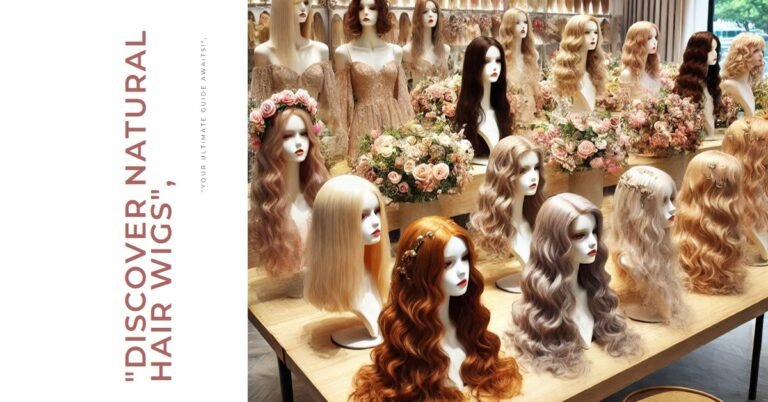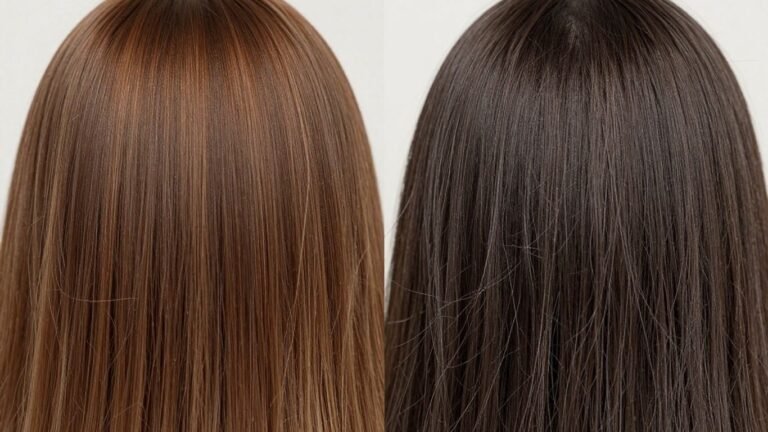
So, you’ve got curls? Me too! It feels like there’s a whole world out there dedicated to making our hair look amazing, and I’ve been digging into some numbers for 2026 to see what’s what. It turns out, a lot of people have textured hair, and companies are finally paying attention. We’ll look at how big the market is, what people actually care about when they buy products, and some tips for keeping those curls looking good. Plus, we’ll touch on extensions and which brands are doing well. It’s all about understanding our hair better, right?
Key Takeaways
- The global market for textured hair products is growing fast, showing that more people than ever are looking for solutions tailored to their unique hair.
- Consumers are really focused on getting their curls to look defined and healthy, with frizz control being a major concern.
- Finding the right products is key, and people want items that do more than one thing, like fighting frizz and defining curls at the same time.
- Understanding your specific curl type and hair’s porosity helps a lot in choosing the best care and styling methods, like deep conditioning and using hair oils.
- The hair extension market is also expanding, with human hair options leading the way and new regions showing big potential for growth.
The Growing Global Textured Hair Market
It’s pretty wild when you think about it, but most people on the planet actually have textured hair. We’re talking about waves, curls, coils – basically, anything that isn’t straight. Estimates put the number at around 60-70% of the world’s population. For a long time, though, the beauty industry kind of treated this as a side thing, not really a main focus. But that’s changing, and fast.
Prevalence of Textured Hair Worldwide
As mentioned, textured hair is the norm, not the exception, globally. This includes everything from loose waves to tight coils. It’s a huge demographic that’s finally getting the attention it deserves. The market for products specifically designed for these hair types is really taking off.
Market Growth and Innovation Surge
The overall hair care market is already massive, but the textured hair segment is growing even quicker. We’re seeing a lot more money and brainpower going into developing new products. It’s not just the big companies either; lots of smaller, independent brands are popping up with really smart solutions. This surge means more choices for consumers and better products overall. The global textured hair market is currently valued at about $15.66 billion and is expanding at a rate of 4.7% each year, which is faster than the general hair care industry. This is a clear sign that innovation is happening and brands are responding to consumer needs.
North American Textured Hair Market Share
North America is a big player in this market. It makes up about 35% of the total hair care market in the region. That’s a significant chunk, showing just how important textured hair is to consumers here. With a total hair care market worth $22 billion in North America, the textured hair segment is a substantial part of that. This focus means we’re likely to see even more specialized products and brands emerging specifically for the North American market.
The shift towards inclusivity in beauty means that brands are finally recognizing the vast potential and specific needs within the textured hair community. This isn’t just a trend; it’s a market correction that benefits everyone.
Understanding Curly Hair Statistics and Consumer Priorities
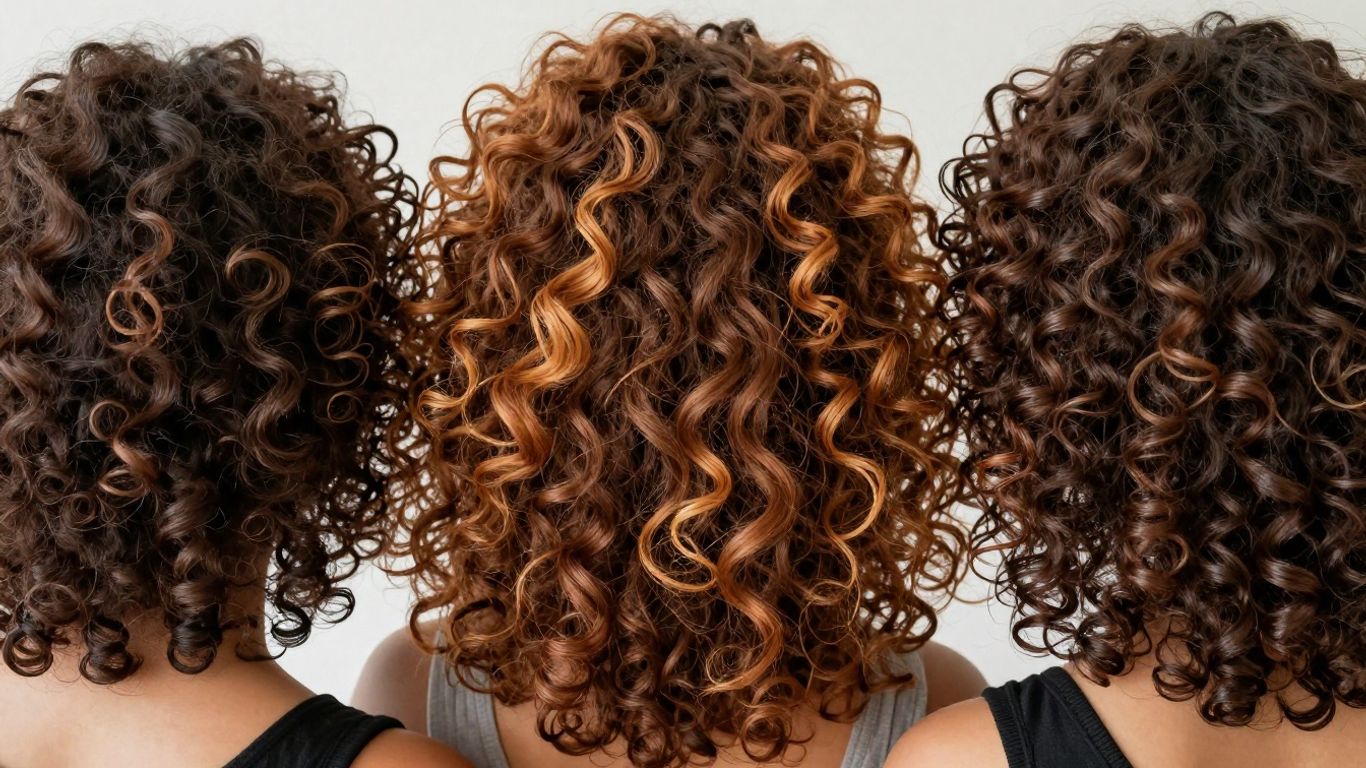
It’s pretty wild to think that a huge chunk of the world’s population actually has textured hair, right? We’re talking about waves, curls, and coils – basically, anything that isn’t straight. For a long time, it felt like the beauty industry didn’t quite get it, but things are changing fast. Now, brands are really starting to pay attention to what people with curly hair actually need.
The Importance of Curl Definition and Integrity
When you have curls, keeping them looking good is a big deal. Most people with curls, like 84% of those with 3A–4B hair in the US, say their hair is super important to their overall look. So, it makes sense that keeping curls defined and healthy is a top priority. Nobody wants their hard work on wash day to disappear by the next morning. The goal is to have bouncy, well-defined curls that don’t feel stiff or crunchy.
Consumer Challenges: Frizz and Product Buildup
Let’s be real, frizz is a major headache for a lot of us with textured hair. Keeping curls defined while fighting frizz, especially between washes, is a constant battle. Finding that sweet spot with products – enough hold to keep curls in place but also enough moisture so they don’t dry out – can be tough. Too much product leads to buildup, and not enough means frizz takes over. It’s a delicate balance.
Many people struggle to find products that work well without making their hair feel heavy or sticky. The desire is for hair that feels soft and looks great, not like a helmet.
Demand for Multi-Functional Styling Solutions
Because of these challenges, there’s a big demand for products that can do more than one thing. People want styling solutions that tackle frizz, define curls, and maybe even add some shine, all in one go. This means brands that can offer effective, multi-tasking products are really hitting the mark. It’s all about making routines simpler and more effective, especially since many people, about 43%, spend less than 10 minutes on their hair after showering [7661].
Here’s a quick look at what matters most:
- Curl Definition: Keeping the natural curl pattern visible and intact.
- Frizz Control: Minimizing unwanted flyaways and maintaining smoothness.
- Moisture Balance: Ensuring hair is hydrated without being weighed down.
- Manageability: Making hair easier to style and handle daily.
Brands that focus on these key areas, often using ingredients that support hair health and natural beauty [d10c], are finding a lot of success in the current market.
Key Statistics for Curly Hair Care Routines
Taking care of curly hair is a whole journey, right? It’s not just about slapping on some product and calling it a day. You really need to know what your curls are doing and what they need. It turns out, most of us are still figuring this out.
The Spectrum of Curl Types
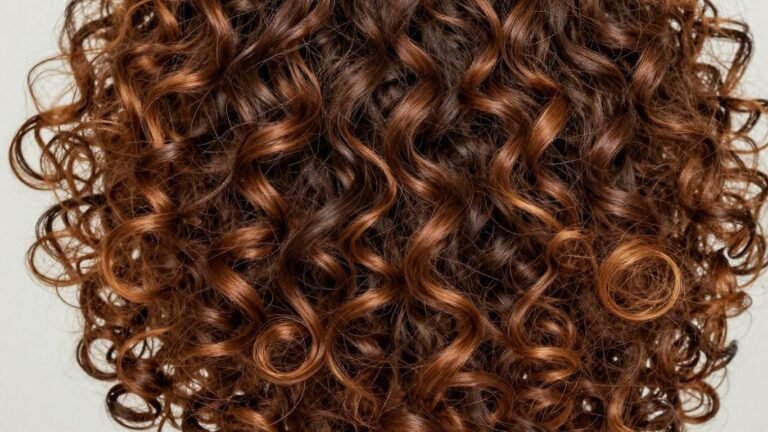
Let’s be honest, "curly hair" is a super broad term. It covers everything from loose waves to super tight coils. Knowing your specific curl type is the first big step to getting your routine right. It helps you pick products that actually work for your hair’s texture and moisture needs. Understanding your unique curl pattern is the foundation for healthier, more defined curls.
Here’s a quick look at the main categories:
- Type 2 (Wavy Hair): This ranges from loose, fine waves (2A) to thicker, coarser waves that form more defined "S" shapes (2C).
- Type 3 (Curly Hair): These are actual curls, starting with larger, looser spirals (3A) and getting tighter, like a marker’s circumference (3B).
- Type 4 (Coily Hair): This is where you find the tightest curls and coils, often dense and with a zig-zag pattern.
Importance of Hair Porosity
Beyond just the curl pattern, how well your hair absorbs and holds moisture, known as porosity, is a game-changer. It totally affects how products behave in your hair. Low porosity hair can be tricky because it doesn’t absorb moisture easily, meaning heavier products might just sit on top. High porosity hair, on the other hand, drinks up moisture but can lose it just as fast, so you need richer products to seal it all in. Getting this right means your curls will feel so much better.
Figuring out your hair’s porosity is like getting a secret code for your hair care. It tells you exactly what kind of products your strands are craving and which ones might be a total miss. This knowledge can seriously cut down on trial and error, saving you time and money.
Deep Conditioning and Hair Oils
Most curly folks know that deep conditioning is a must-do. It’s like a spa day for your hair, giving it that extra boost of hydration and nourishment it craves. Using a mask specifically made for curly hair once a week can really help repair damage and make those curls pop. And don’t even get me started on hair oils! Natural oils are fantastic for adding that deep hydration and keeping frizz at bay. They’re great for sealing in moisture, especially if you’re trying out methods like the LOC method. The curly hair care and styling products market is booming, and a lot of that growth is thanks to people realizing how important these treatments are.
Styling Curly Hair: Techniques and Product Insights
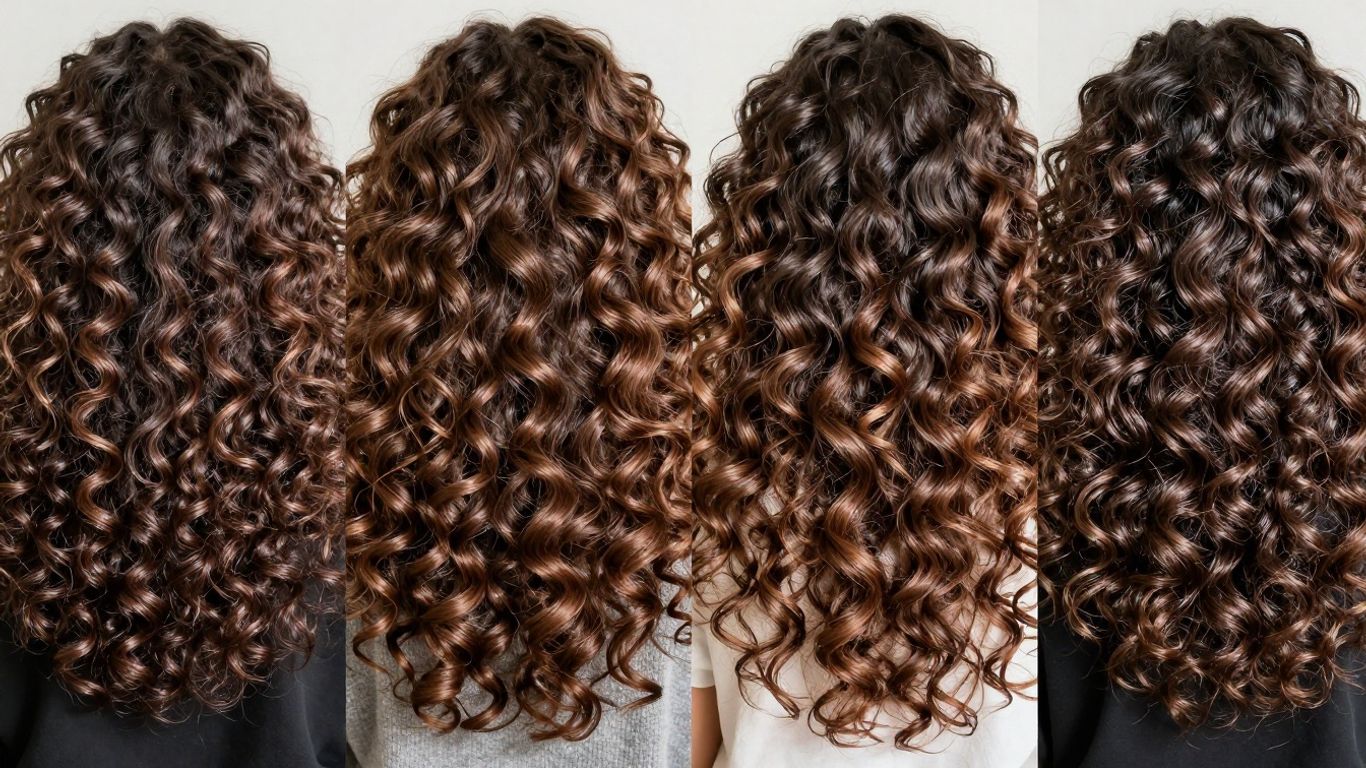
Styling curly hair can feel like a whole science experiment sometimes, right? It’s not just about slapping on some product and calling it a day. Getting those curls to look their best, whether they’re loose waves or tight coils, really comes down to knowing a few tricks and having the right stuff. The goal is usually defined, frizz-free curls that actually last.
The Art and Science of Styling Curls
Honestly, figuring out how to style your curls is a journey. It’s a mix of knowing what your hair needs and experimenting to see what works. You’ve got to pay attention to how your hair reacts to different products and techniques. It’s not always straightforward, and what works one day might not work the next. But once you get the hang of it, it’s pretty rewarding.
Starting with Damp Hair
This is a big one. Most stylists agree that starting with damp hair is the way to go. It gives your products a better chance to spread evenly and helps your curls form nicely as they dry. Trying to style dry curls often leads to frizz and uneven definition. So, after washing and conditioning, gently squeeze out excess water, but don’t dry it completely.
- Wash with a sulfate-free shampoo and conditioner.
- Gently squeeze out water with a microfiber towel or t-shirt.
- Apply styling products while hair is still damp.
Applying products to wet or damp hair is key for getting good curl clumps and minimizing frizz. It helps the product distribute evenly and lock in moisture as your hair dries.
Protecting Curls from Heat
Okay, so we all know heat isn’t exactly curly hair’s best friend. But sometimes, you might want to use a blow dryer, especially with a diffuser. If you do, make sure you’re protecting those strands. Using a heat protectant spray is a must. It creates a barrier between your hair and the heat, reducing damage and dryness. Some styling products even have this built-in, which is super convenient. If you’re looking for some great options, check out these curly hair products.
Here’s a quick rundown of heat protection:
- Always use a heat protectant spray or a product with heat-protective ingredients.
- Use the lowest effective heat setting on your styling tools.
- When blow-drying, use a diffuser attachment to disperse the heat and avoid direct, concentrated airflow.
For guys with curly hair, finding the right styling products is also important. Things like grooming creams and gels can help manage and define curls while offering a good hold. You can find some excellent choices for men that focus on hydration and definition.
The Expanding Hair Extension Industry
It seems like everywhere you look these days, hair extensions are becoming a bigger deal. The market for them is really taking off, and it’s not just about adding length anymore. People are using them for volume, to try out new colors, or even to cover up thinning hair. It’s a pretty dynamic space.
Market Size and Projected Growth
The global hair extension market is booming. We’re talking about a market that was valued at around USD 4.88 billion in 2024 and is expected to climb to USD 5.36 billion by 2026. That’s a pretty solid jump in just a couple of years. This growth isn’t slowing down either; projections show it continuing to expand significantly over the next decade. A lot of this is thanks to new ways to apply them and better quality materials, making them look more natural than ever before. Plus, with so many people on social media showing off their looks, the desire for quick transformations is definitely up.
Dominance of Human Hair Extensions
When it comes to what people want, human hair extensions are still the top choice. They just look and feel more like your own hair, which is a big deal for most consumers. While synthetic options have gotten better, the preference for natural hair remains strong. This means brands are really focusing on sourcing good quality human hair, often emphasizing ethical practices and transparency in where it comes from. It’s all about achieving that authentic, seamless blend that’s hard to get with artificial fibers.
Emerging Growth Regions
While North America has been a major player, we’re seeing some serious growth happening in other parts of the world too. Asia Pacific and Europe are catching up fast, with increasing demand driven by changing beauty standards and more people having access to these products through online stores. As more people learn about the different types of extensions and how to use them, these regions are becoming really important for the industry’s future. It’s exciting to see how different cultures are embracing and adapting hair extensions to their own styles.
The drive for better quality, more natural-looking results, and easier application methods is pushing innovation. Brands that can offer ethically sourced products and cater to diverse hair types will likely lead the way.
Top Brands in Textured Hair Care
The textured hair care market is booming, and with that growth comes a lot of brands trying to get your attention. It’s not just about having curly hair anymore; it’s about having the right products to make those curls shine. We’re seeing a lot of innovation, which is great, but it can also be a bit overwhelming trying to figure out who’s really delivering.
Leading Brands in U.S. Sales
When we look at who’s actually selling the most in the U.S., a few big names pop up. These companies have been around and have really focused on understanding what textured hair needs. It’s a competitive space, but these brands have managed to capture a significant chunk of the market.
Here’s a peek at the top players based on recent sales data:
- Unilever: Often leading the pack, with brands like Shea Moisture making waves.
- Procter & Gamble: A giant in the industry, known for brands like Mielle.
- PDC Brands: Companies like Cantu are big here, especially for styling products.
- L’Oréal USA Inc.: Home to brands such as Carol’s Daughter.
- E.l.f. Beauty: With brands like Eco Styling Gel, they’ve got a strong presence.
These brands are doing well because they seem to get it. They’re not just slapping a "curly" label on anything; they’re developing formulas that actually work for different curl types and concerns.
Consumer Trust and Product Innovation
It’s one thing to sell a lot, but it’s another to have people actually trust your products. For textured hair, this means brands need to be transparent about ingredients and show real results. Many consumers are looking for products that help with common issues like dryness, frizz, and breakage. Brands that focus on repair and hydration are really winning over consumers.
Innovation is key here. We’re seeing a lot of new ingredients and technologies aimed at improving hair health from the inside out. Think bond-building treatments and advanced moisturizing agents. It’s exciting to see brands investing in research to create better solutions for textured hair.
The demand for products that address specific concerns like scalp health and hair strengthening is growing. Consumers are more informed than ever and are actively seeking out brands that offer effective, science-backed solutions for their unique hair needs.
Retailer Preferences for Textured Hair Products
Where you buy your hair products matters too. While specialty stores are great, a huge portion of textured hair product sales happen in mass retailers. This means brands need to have a strong presence on those shelves.
- Walmart is a major player, often taking the largest share of hair care sales in the U.S.
- Other mass retailers also carry a wide selection, making products accessible.
- Specialty beauty supply stores and online retailers are also important, especially for niche or premium brands.
Brands that can get their products into these high-traffic retail environments, and that consumers recognize and trust, are the ones that tend to do the best. It’s a mix of good product, smart marketing, and being where the customers are shopping. For example, finding the right curl defining cream can make all the difference, and brands that offer these are often favored.
Wrapping Up Your Curl Journey
So, we’ve looked at a bunch of numbers and trends for curly hair in 2026. It’s pretty clear that more and more people are embracing their natural texture, and that’s awesome. The market is definitely catching up, with brands offering more products specifically for waves, curls, and coils. It seems like finding the right stuff to keep frizz away and curls defined is still a big deal for a lot of us. But hey, with all this new info and the growing options out there, it feels like we’re getting closer to that perfect curl routine. Keep experimenting, keep learning, and most importantly, keep loving those amazing curls!
Frequently Asked Questions
What is textured hair, and how common is it?
Textured hair is any hair that has a natural wave, curl, or spiral pattern. It’s super common – about 60% to 70% of people worldwide have some kind of texture to their hair, not just straight strands.
Why is curl definition and fighting frizz so important for people with curly hair?
People with curly hair really care about keeping their curls looking defined and avoiding frizz, especially after washing. It’s a big part of their overall look, and they want their curls to stay bouncy and shaped without getting stiff or dry.
What are the biggest challenges people face when caring for curly hair?
The main struggles include dealing with frizz, making sure the hair stays moisturized, and keeping curls defined between washes. It’s also tough to find products that give good hold without making hair feel crunchy or greasy.
How does hair porosity affect curly hair care?
Hair porosity is about how well your hair can soak up and hold moisture. If your hair has low porosity, it might need lighter products and steam. High porosity hair might need richer products with proteins to help lock in moisture.
What are some good ways to keep curly hair healthy and moisturized?
Using products made for curly hair, deep conditioning regularly with a mask, and using natural hair oils can really help keep curls hydrated and strong. Also, protecting your curls while sleeping with a bonnet or silk pillowcase is a great idea.
What’s the deal with the hair extension market?
The market for hair extensions is growing a lot! People want them for different looks, and human hair extensions are the most popular. The market is expected to keep getting bigger, especially in places like Asia.