Figuring out the best way to care for mixed heritage hair can feel like a puzzle sometimes. You’ve got different textures, maybe some waves here, some coils there, and keeping it all happy and healthy is the goal. It’s easy to get lost in all the products out there, but don’t worry, we’ll break down what actually works. We’re talking about finding those gems that make your hair feel great and look amazing, focusing on Mixed Heritage Hair Products that truly make a difference.
Key Takeaways
- Understand your hair’s unique texture to pick the right products.
- Moisture is super important for mixed heritage hair to avoid dryness and frizz.
- Gentle cleansing and co-washing can help keep hair clean without stripping it.
- Look for curl creams, leave-in conditioners, and gels that define and soften.
- Natural oils and deep conditioning treatments can add extra nourishment and health.
Understanding Your Mixed Heritage Hair
Identifying Your Unique Hair Texture
Mixed heritage hair is a beautiful spectrum, and honestly, it’s rarely just one thing. Genetics plays a huge role, meaning siblings can have totally different hair types, and even within one person’s head, you might find a mix of textures. It’s not uncommon to have straighter pieces around the hairline and tighter coils in the back. The first step to great hair care is recognizing and accepting your specific texture or combination of textures. Think about whether your hair leans more wavy, curly, or coily. Is it fine and easily weighed down, or is it coarse and needs a bit more coaxing? Understanding these nuances is key to choosing the right products and techniques. For instance, hair that’s more on the kinky side often needs different treatment than looser waves. It’s less about fitting into a neat category and more about observing what your hair is actually doing.
The Importance of Moisture for Mixed Hair
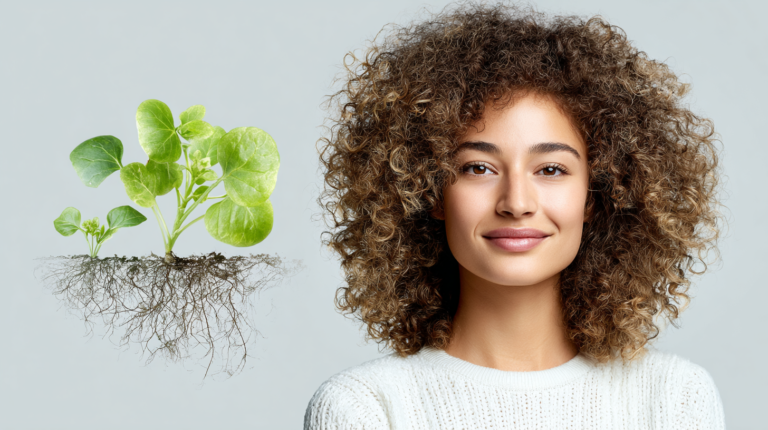
One of the biggest challenges many people with mixed heritage hair face is dryness. This is often because the natural oils produced by the scalp have a harder time traveling down the hair shaft, especially with curlier textures. This means your hair can feel brittle, look dull, and be prone to breakage if you don’t give it enough hydration. It’s not just about water; it’s about sealing that moisture in. You’ll find that consistent moisturizing is way more important than for some other hair types. Think of it like a plant – it needs regular watering, but also the right kind of soil to keep it healthy. For mixed hair, that means using products designed to quench its thirst and keep it from drying out.
Addressing Common Concerns Like Frizz and Dryness
Frizz and dryness often go hand-in-hand with mixed hair. It’s easy to get frustrated when your hair doesn’t look as smooth as you might expect, but often, what looks like frizz is just your hair’s natural texture trying to find its shape. The key is to manage it, not necessarily eliminate it. Instead of fighting it, focus on providing your hair with the moisture it craves. When hair is well-hydrated, it tends to clump together better, reducing that fuzzy appearance. Sometimes, people try to combat dryness with heavy oils, but that can actually weigh finer textures down. Finding that balance between moisture and avoiding product buildup is a bit of an art. It’s about learning what your hair likes and doesn’t like through a bit of trial and error. Remember, healthy hair doesn’t always mean perfectly smooth hair; it means hair that feels good and is cared for properly. You might find that embracing your natural texture is the best approach. Caring for biracial hair often comes down to this balance.
Essential Cleansing and Conditioning Practices
When it comes to keeping mixed heritage hair healthy and vibrant, the way you cleanse and condition is super important. It’s not just about getting things clean; it’s about doing it in a way that respects the unique textures and moisture needs of your hair.
Gentle Cleansing for Varied Textures
Shampooing mixed hair requires a bit of finesse. Many people find that traditional shampoos, especially those with sulfates, can strip the hair of its natural oils, leaving it dry and prone to breakage. This is especially true for hair that has a blend of textures, from waves to coils. Instead of reaching for a harsh cleanser every time, consider using a sulfate-free shampoo. These are much kinder to your strands. If your hair isn’t heavily styled or particularly dirty, you might even skip shampoo altogether some weeks. A good rule of thumb is to wash only when necessary, which for many with mixed hair means once a week or even less. If you’re active or your scalp gets oily, a gentle rinse with water might be enough on off-days.
The Role of Co-Washing Between Washes
This is where co-washing really shines. Co-washing means washing your hair with conditioner instead of shampoo. It’s a fantastic way to refresh your hair and scalp without completely stripping it. Think of it as a gentle cleanse that also adds moisture back in. You can use a dedicated co-wash product or even a regular, thick conditioner. The key is to really work it into your scalp to lift away any buildup, while letting the conditioner smooth down the hair shaft. It’s perfect for those days when your hair feels a bit dull or needs a refresh but doesn’t require a full shampoo. This practice helps maintain the hair’s natural oils and keeps it feeling soft between your regular shampoo sessions. For those looking for a routine that balances cleansing and moisture, co-washing is a game-changer for multi-textured hair.
Choosing the Right Conditioner for Hydration
Conditioner is your best friend when it comes to mixed hair. It’s not just a follow-up step; it’s a vital part of the cleansing process and daily care. A good conditioner helps to smooth the hair cuticle, making hair look shinier and feel softer. It also plays a big role in detangling. When your hair is properly conditioned, knots are easier to work through, reducing breakage. For mixed hair, which can often be dry, look for conditioners that are rich and moisturizing. Ingredients like shea butter, argan oil, or glycerin are great indicators of a hydrating formula. Don’t be afraid to use a generous amount, especially on the mid-lengths and ends of your hair, which tend to be drier. Remember, consistent conditioning is key to keeping your hair hydrated and manageable.
Proper cleansing and conditioning are the foundation of a healthy hair care routine for mixed heritage hair. It’s about being gentle, mindful of moisture, and choosing products that support your hair’s natural texture rather than fighting against it. This approach helps prevent dryness and breakage, leading to stronger, more beautiful hair.
Moisturizing and Styling Mixed Hair Products
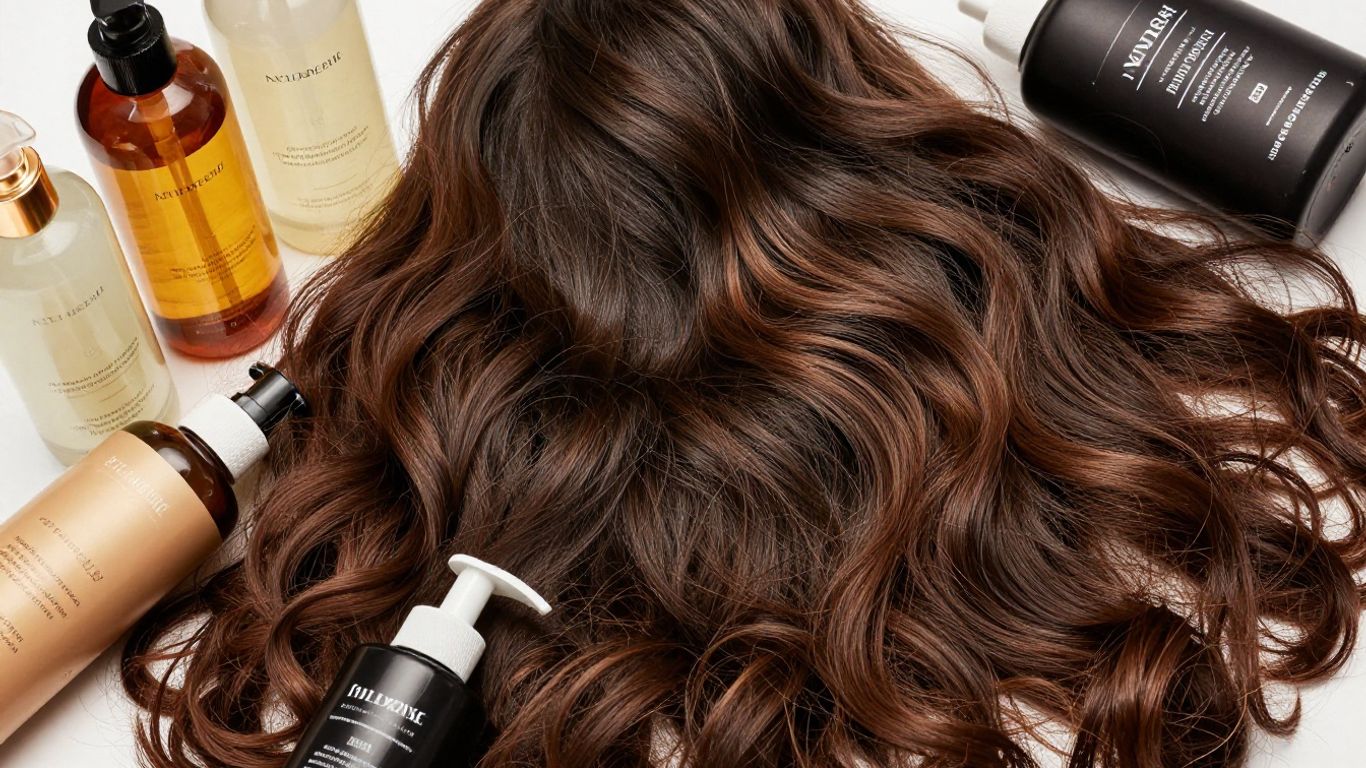
Okay, so you’ve got this amazing mix of textures going on, and now it’s time to figure out what products actually do something for it. It can feel like a treasure hunt, right? But don’t worry, we’re going to talk about some real game-changers for your multi-textured hair care tips.
Selecting Effective Leave-In Conditioners
Leave-in conditioners are like a secret weapon. After you wash and condition, a good leave-in locks in all that good moisture. If your hair is on the finer side, a lightweight leave-in might be all you need to keep things hydrated and defined. For my kids when they were little, Mixed Chicks Leave-In Conditioner was perfect because it wasn’t heavy and it really helped their curls pop without getting weighed down. It also helped tame the frizz, which, let’s be honest, is a constant battle.
Using Curl Creams for Definition and Softness
Curl creams are fantastic for giving your curls shape and keeping them soft to the touch. You don’t need a ton of product here; too much can make hair look greasy or feel heavy. A little goes a long way, and it can really help bring out your natural curl pattern. Some creams are thicker, better for coarser hair, while others are lighter. It’s all about finding that sweet spot for your specific strands.
The Benefits of Styling Gels for Hold
Now, gels. I used to shy away from gels because they always made my kids’ hair feel sticky or stiff. But I found one that actually works! Gels are great for providing hold, which means your style stays put longer. They can also help reduce frizz and give your curls definition that lasts. The trick is to find a gel that offers hold without that crunchy feeling. It’s about getting that balance right for your textured hair solutions.
Here’s a quick rundown of what to look for:
- Lightweight Leave-Ins: Ideal for finer textures or when you want minimal product.
- Moisturizing Curl Creams: Great for adding definition and softness, adjust amount based on hair thickness.
- Flexible Hold Gels: Use sparingly for styles that need to last without stiffness.
Finding the right products for mixed hair is really about trial and error. What works for one person might not work for another, even within the same family. Pay attention to how your hair reacts to different ingredients and formulations. Sometimes, a combination of products is the key to achieving your best hair days.
Remember, the goal is to keep your hair moisturized, defined, and healthy. Don’t be afraid to experiment a bit to find your holy grail products. It’s a journey, but totally worth it!
Nourishing Treatments and Serums
Beyond your daily cleanse and condition, giving your mixed heritage hair some extra TLC with targeted treatments and serums can make a big difference. These aren’t just fancy extras; they’re key players in keeping your hair healthy, strong, and looking its best. Think of them as the power-ups for your hair’s specific needs.
Deep Conditioning for Penetrating Moisture
Deep conditioning is where the real hydration magic happens. Because mixed hair often has varied textures, some parts might be thirstier than others. A good deep conditioner works to really soak into the hair shaft, delivering moisture that lasts. It helps to smooth the cuticle, making hair feel softer and look shinier. It’s especially helpful for tackling dryness and making detangling a bit easier.
- Apply to clean, damp hair.
- Distribute evenly, focusing on the mid-lengths and ends.
- Let it sit for the time recommended on the product, often 15-30 minutes. Using a shower cap can help trap heat and boost penetration.
- Rinse thoroughly with cool water to help seal the cuticle.
Hair Growth Serums for Scalp Health
Scalp health is the foundation for healthy hair growth. Serums designed for the scalp can help create an optimal environment for your hair to thrive. They often contain ingredients that stimulate circulation or provide nutrients directly to the hair follicles. A healthy scalp means healthier, stronger hair growing from the root.
Some ingredients to look for in scalp serums include:
- Peppermint oil: Known for its stimulating properties.
- Rosemary oil: Often cited for its potential to support hair growth.
- Biotin: A vitamin that plays a role in hair health.
- Niacinamide: Can help support the skin barrier on the scalp.
The Role of Natural Oils in Haircare
Natural oils are like a secret weapon for mixed hair. They can add shine, seal in moisture, and provide nourishment. Different oils offer different benefits, so you can pick what works best for your hair’s current needs. For instance, oils like jojoba are great because they mimic the scalp’s natural oils, while others, like castor oil, are known for their moisturizing properties. Using these can help keep your hair from feeling dry and brittle. You can find great options in Miss Jessie’s collection of hair products.
Here’s a quick look at some popular oils:
| Oil | Key Benefits |
|---|---|
| Jojoba Oil | Mimics natural sebum, balances scalp oil production |
| Argan Oil | Moisturizing, adds shine, helps with frizz |
| Shea Butter | Deeply moisturizing, softening |
| Castor Oil | Hydrating, can promote thicker-looking hair |
Incorporating these treatments and serums into your routine can really help your mixed heritage hair look and feel its absolute best.
Styling Techniques and Accessories
Getting your mixed heritage hair to look just right can sometimes feel like a puzzle, but with the right techniques and tools, you can tame flyaways, define curls, and keep your hair protected. It’s all about working with your hair’s natural tendencies, not against them.
Taming Flyaways and Edges
Those little wisps around your hairline can be a nuisance, but they don’t have to be. For a smooth finish, try using a small amount of edge control product. You can apply it with your fingertips or, for more precision, a soft brush like an old toothbrush or a dedicated edge brush. Gently smooth the hairs into place. This simple step makes a big difference in the overall polished look of your hairstyle. A little goes a long way here.
Protective Hairstyles and Accessories
Protective styles are a lifesaver, especially for mixed hair that can be prone to dryness and breakage. Styles like braids, twists, or buns keep the ends of your hair tucked away and less exposed to the elements. When choosing accessories, opt for satin or silk materials whenever possible. A satin bonnet or scarf worn at night is non-negotiable for preventing friction against cotton pillowcases, which can lead to frizz and damage. Similarly, use hair ties that are gentle on your curls, like fabric scrunchies or seamless bands, to avoid snagging and breakage.
Here are some go-to protective styles:
- Braids: From simple three-strand braids to more intricate cornrows, braids are versatile and keep hair secure.
- Twists: Two-strand twists are great for defining curl patterns and can be worn alone or as a base for other styles.
- Bantu Knots: These create beautiful spiral curls when taken down and keep hair neatly contained.
- High Puff/Bun: A simple yet effective way to keep hair off the neck and protected.
Remember, the goal of protective styling is to minimize manipulation and protect your hair’s moisture. Avoid styles that are too tight, as this can cause unnecessary tension and potential hair loss over time.
Essential Tools for Detangling and Styling
Having the right tools can make all the difference in your hair routine. For detangling, a wide-tooth comb or a detangling brush designed for curly hair is your best friend. Always start detangling from the ends and work your way up to the roots to minimize breakage. A rat-tail comb is fantastic for creating clean parts when styling braids or other sectioned styles. For applying products and smoothing edges, a soft brush is ideal. Investing in a few quality tools can make your styling process much smoother and less frustrating. You can find a variety of affordable hair tools that are perfect for mixed hair care.
| Tool | Best For |
|---|---|
| Wide-tooth comb | Gentle detangling, working through knots |
| Detangling brush | Speeding up detangling, especially on wet hair |
| Rat-tail comb | Creating precise parts, sectioning hair |
| Edge brush | Smoothing flyaways and laying edges |
Product Recommendations for Mixed Heritage Hair
Finding the right products for mixed heritage hair can feel like a treasure hunt, but once you discover those gems, it makes all the difference. It’s all about what works for your specific texture and needs. We’ve tried a bunch, and some have really stood out for their ability to moisturize, define curls, and keep frizz at bay. The key is often finding a balance between hydration and hold.
Tried and True Curl Enhancers
When it comes to making curls pop, a few products consistently get rave reviews. These aren’t just for kids; they work wonders for adults too. They help bring out the natural pattern of your hair without making it feel stiff or sticky. It’s about giving your curls life and bounce.
- Kinky Curly Knot Today Leave In Conditioner: This is a fantastic detangler and moisturizer all in one. It makes combing through even the most stubborn knots a breeze.
- Shea Moisture Coconut & Hibiscus Curl Enhancing Smoothie: A bit richer, this cream is great for defining curls and keeping them soft. A little goes a long way, so don’t overdo it, or you might find your hair looking a bit greasy.
- Cantu Moisturizing Curl Activator Cream: This one is good for enhancing curls and also helps cut down on frizz. It’s a solid choice for adding moisture and definition.
Moisturizing Creams for All Ages
Moisture is king when it comes to mixed hair. These creams are designed to quench thirsty strands and keep them feeling soft and manageable throughout the day. They are often the foundation of a good curly hair routine for mixed race individuals.
Keeping hair moisturized is probably the most important thing you can do. Dry hair breaks easily, and that’s something we all want to avoid. These creams help seal in that much-needed hydration.
Effective Styling Custards and Gels
For those days when you need your style to last or want extra definition, a good styling custard or gel is your best friend. The trick is finding one that provides hold without that crunchy, flaky finish. We’ve found that some of the best hair products for biracial hair include these styling aids.
- Kinky Curly Curling Custard: This has been a game-changer for many. It offers great definition and hold, and it doesn’t leave that unpleasant residue. It works well on various curl types, making it a versatile option for families with diverse hair textures. It’s a great example of natural hair products for ethnic hair that truly perform.
Wrapping It Up
So, figuring out the best way to care for mixed hair can feel like a puzzle sometimes. You try one thing, and it works for a bit, then maybe your child’s hair changes, and you’re back to square one. It’s a lot of trial and error, for sure. But the main thing seems to be keeping that hair moisturized and happy. Don’t be afraid to switch things up as your kids grow or their hair texture shifts. What works today might be different next year, and that’s totally okay. The goal is healthy, beautiful hair that everyone feels good about.
Frequently Asked Questions
What’s the most important thing for mixed hair?
Keeping your hair hydrated is super important! Think of it like giving your skin lotion when it’s dry. You need to give your hair moisture regularly, at least a couple of times a week, and every time you style it. Drinking enough water also helps your hair from the inside out.
Should I use shampoo on my child’s mixed hair?
When kids are little, shampoo can sometimes dry out their hair too much. But as they get older and use more styling products, a clarifying shampoo once in a while can be good. It cleans out any buildup from products so your regular conditioners and creams can work better. Start with once a month and see how their hair does.
What is ‘co-washing’ and why do it?
Co-washing means washing your hair with conditioner instead of shampoo. It’s a gentle way to clean your hair and scalp without taking away all the natural oils. It’s great for keeping hair moisturized between regular washes, especially if your child’s hair gets dry easily.
How can I make my child’s curls look defined and not frizzy?
Using products like curl creams and styling gels can really help define curls and keep them from getting too frizzy. Look for creams that make curls soft and gels that give them hold without making them feel stiff or sticky. Applying these to damp hair usually works best.
Are natural oils good for mixed hair?
Many people find that natural oils can be very helpful for mixed hair. They can help soften hair and keep it moisturized. Some oils even help attract moisture from the air. It’s best to use natural, plant-based oils and experiment to see what works best for your hair type, using just a small amount.
What are some good protective styles for mixed hair?
Protective styles help keep your hair safe from damage and breakage. Things like braids, twists, or buns can be great options. Using accessories like satin bonnets at night is also key because they stop your hair from rubbing against rough surfaces like cotton pillowcases, which can cause frizz and breakage.