Our heritage is a beautiful thing, isn’t it? It’s like a big, old quilt made of all sorts of different fabrics and colors, each telling its own story. From the sunny shores of the Caribbean to the ancient wisdom of Indigenous peoples, there’s so much to learn and appreciate. This article is all about celebrating that amazing tapestry, focusing on how our roots influence our beauty and well-being today. We’ll explore traditions, nature’s gifts, and how being mindful about what we use can lead to a brighter future for everyone. It’s a journey into what makes us, us, and how we can honor that.
Key Takeaways
- Discover the rich blend of Caribbean-Californian heritage and its impact on beauty practices, including traditional Guyanese rituals.
- Understand the enduring strength and contributions of Indigenous peoples, challenging old ideas and celebrating their connection to the land.
- Explore how nature’s ingredients, from rainforest plants to Jeju Island’s volcanic soil, are key to effective skincare.
- Learn about conscious beauty, emphasizing ethical choices, transparency, and caring for the planet and its people.
- Embrace ancient wellness practices and a healthy lifestyle to promote overall well-being and inner beauty.
Embracing Our Roots: A Journey Through Heritage Beauty
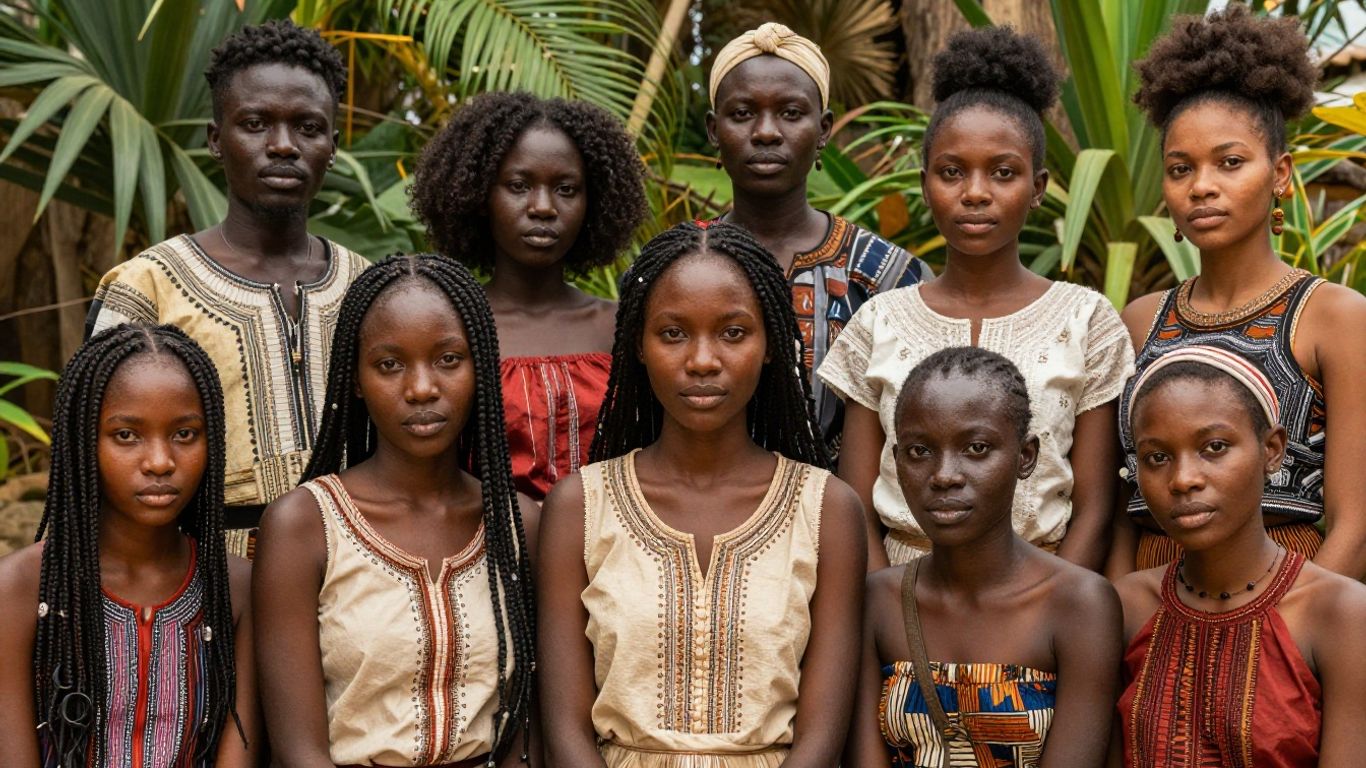
It’s fascinating how much of what we consider beautiful today has roots stretching back through generations. This section is all about exploring ancestral roots and how they shape our understanding of beauty. Think about the rich tapestry of Caribbean-Californian heritage, for instance. Growing up with parents from the Caribbean, the culture and its rituals were always close to my heart. This blend of influences brings a unique perspective to beauty, one that’s deeply connected to wellness and tradition.
The Rich Tapestry of Caribbean-Californian Heritage
My own journey is a perfect example. Being raised on both coasts, with a family background steeped in Caribbean culture, meant beauty was always seen as an inside job. My family’s traditions are full of wellness practices passed down through generations. I was naturally drawn to the Guyanese beauty rituals my mom taught me. These weren’t just about looking good; they were about feeling good from the inside out. We’d drink teas for internal cleansing, and use fresh aloe plants for skin hydration. It’s a holistic approach that feels incredibly grounding.
Guyanese Beauty Rituals: Timeless Wisdom
Guyana itself is a place of incredible natural beauty, with vast, untouched rainforests and a vibrant culture. It’s the only English-speaking nation in South America, and its Caribbean identity is strong. This connection to nature and a lively culture deeply influences the beauty practices. Think fresh, vibrant foods and simple, effective rituals. It’s about harnessing the power of what’s around you, a concept that feels more relevant than ever today. This heritage beauty trend honors ancestral knowledge, timeless practices.
The Influence of Coastal Living on Conscious Beauty
Moving to California brought another layer to this. The coastal lifestyle here, with its emphasis on clean living, fresh food, and healthy habits, really shaped my views on beauty. As I got more into formulation chemistry and product development, clean and conscious beauty became my focus. The power of plant-based ingredients, something I saw firsthand, became a priority. It’s about creating beauty that’s not only effective but also mindful of our impact on the world. This blend of ancestral wisdom and modern, conscious practices is what heritage beauty is all about.
The beauty of heritage lies in its ability to connect us to our past while guiding us toward a more mindful future. It’s about recognizing the wisdom passed down and integrating it into our modern lives with intention and respect.
Here’s a look at some of the core elements:
- Holistic Approach: Beauty is seen as an extension of overall well-being, not just a surface-level concern.
- Natural Ingredients: Prioritizing botanicals and elements found in nature, often with a history of traditional use.
- Generational Knowledge: Valuing the wisdom and practices that have been shared across families and communities for years.
- Mindful Consumption: Being aware of the products we use and their impact, both personally and environmentally.
It’s amazing how these traditional beauty practices, like Ayurvedic oil massage and others, are finding their way back into modern routines, offering a blend of old and new for a radiant look.
Indigenous Resilience: Celebrating Enduring Beauty
The Rich Tapestry of Caribbean-Californian Heritage
It’s easy to think of beauty as something superficial, but when you look at the history and traditions of Indigenous peoples, you see it’s so much more. It’s about survival, connection to the land, and a deep well of knowledge passed down through generations. This enduring spirit is a form of beauty in itself. Think about the incredible beadwork of the Ho-Chunk Nation; each tiny bead tells a story, preserving a cultural legacy that’s vital to their identity. It’s a tangible link to their past and a powerful statement of their presence today. This isn’t just about pretty patterns; it’s about history woven into existence.
Guyanese Beauty Rituals: Timeless Wisdom
When we talk about Indigenous resilience, we’re talking about people who have faced immense challenges, yet their cultures and traditions not only survive but thrive. For centuries, Indigenous communities have been stewards of the land, holding knowledge about plants and natural remedies that modern science is only now beginning to understand. This deep connection to nature is reflected in their beauty practices, which are often holistic, focusing on internal well-being as much as external appearance. It’s a wisdom that predates modern skincare by millennia.
The Influence of Coastal Living on Conscious Beauty
It’s important to remember the sheer diversity in cultural celebrations and practices among Indigenous peoples. Each tribe, each community, has its own unique heritage, its own ways of expressing beauty and maintaining connection to their roots. This richness is often overlooked when people think of Native Americans as a single, monolithic group. The reality is a vibrant mosaic of languages, traditions, and histories, all contributing to the enduring strength and beauty of Indigenous cultures. Learning about these distinct traditions helps us appreciate the depth of this heritage.
The history of Indigenous peoples in North America is often told through a lens of loss and assimilation. However, focusing solely on these narratives misses the incredible resilience, innovation, and enduring cultural strength that defines these communities. Their contributions to the world, from agriculture to environmental stewardship, are profound and ongoing.
Here are just a few examples of Indigenous contributions:
- Agriculture: Many staple foods we rely on today, like corn, beans, and squash, were cultivated and developed by Indigenous peoples.
- Environmental Stewardship: Indigenous communities have long practiced sustainable land management, holding vast knowledge of ecosystems and biodiversity.
- Medicine: Traditional knowledge of medicinal plants has provided countless remedies and continues to inspire modern pharmacology.
Understanding these contributions is key to appreciating the full scope of Indigenous influence on the world we live in today. It’s about recognizing a legacy that continues to shape our present and future.
The Essence of Purity: Nature’s Gifts to Skincare
Harnessing the Power of Rainforest Botanicals
Think about the last time you really felt connected to nature. For many of us, that feeling comes from being surrounded by lush greenery, the scent of damp earth, and the quiet hum of life. The rainforest, in particular, is a treasure trove of potent ingredients that have been used for centuries in traditional beauty practices. In Guyana, for instance, the dense rainforest covers a huge part of the country, and it’s where you can find plants like aloe, hibiscus, and the powerful Bootlace Bark Tree. These aren’t just pretty plants; they hold real benefits for our skin. We’re talking about ingredients that can soothe, hydrate, and protect, all thanks to their natural composition. It’s amazing how much wisdom is packed into these botanical wonders.
The Fertile Soil of Jeju Island: A Source of Potency
On the other side of the world, on South Korea’s Jeju Island, there’s a story of volcanic soil and green tea that’s pretty incredible. Legend has it that the soil there, formed from a volcano centuries ago, is incredibly rich in nutrients. This special soil is where a highly prized green tea grows, known for its amazing antioxidant properties. For generations, people have recognized its power to keep skin looking youthful. It’s this very ingredient that inspired a journey to share these benefits globally. The careful cultivation and harvesting of these green tea leaves, picked at their peak, are key to their effectiveness in skincare today. It really shows how the environment can play such a big role in the quality of what we use on our skin.
Plant-Based Innovation in Modern Beauty
Today, we see a big shift towards using what nature provides in our beauty routines. This isn’t just a trend; it’s a move towards more effective and gentle skincare. Plant-based ingredients are becoming the stars of modern beauty formulations. They offer a wide range of benefits, from deep hydration to powerful antioxidant protection, all derived from natural sources. This approach taps into the inherent intelligence of plants, using their extracts and oils to create products that work with our skin, not against it. It’s about choosing ingredients that are not only good for us but also kinder to the planet. This focus on botanical ingredients is changing the game in how we think about skincare, making it more conscious and effective.
Here’s a quick look at some common plant-based ingredients and their benefits:
- Aloe Vera: Known for its soothing and hydrating properties, great for calming irritated skin.
- Green Tea Extract: Packed with antioxidants, it helps protect skin from environmental damage.
- Shea Butter: A rich moisturizer that helps to soften and smooth the skin.
- Jojoba Oil: Mimics the skin’s natural oils, providing balanced hydration without clogging pores.
The move towards plant-based skincare is more than just a preference; it’s a recognition of the profound power and efficacy found in the natural world. By harnessing these gifts, we can achieve healthier, more radiant skin while respecting the environment that provides them.
Conscious Beauty: Ethical Practices for a Radiant Future
Mindful Consumption and Transparency
Making thoughtful choices about the products we use is becoming more important. It’s not just about what a product does for our skin, but also how it’s made and where its ingredients come from. Being transparent about sourcing and production helps us all make better decisions. This means looking beyond the pretty packaging and understanding the journey of our beauty items. It’s about asking questions and seeking brands that are open about their practices. This approach supports a healthier planet and fairer treatment for everyone involved in making these products.
Social Responsibility in Beauty
Beauty shouldn’t come at the cost of people or the environment. Many brands are now focusing on social responsibility, which includes things like fair wages for workers and supporting the communities where ingredients are grown. It’s about making sure that the people who help create our favorite products are treated with respect and dignity. This commitment extends to how businesses operate, aiming to have a positive impact rather than just a profitable one. It’s a way to connect with the wider world through our daily routines.
Sustainable Ingredients and Packaging
When we talk about conscious beauty, we’re really talking about respecting nature. This involves choosing ingredients that are grown and harvested in ways that don’t harm the environment. Think about plant-based ingredients that are renewable and biodegradable. Packaging is another big piece of the puzzle. Brands are moving towards materials that can be recycled, reused, or are made from recycled content. This reduces waste and lessens our footprint on the planet. It’s a shift towards a more circular economy in beauty, where resources are valued and reused.
Here’s a quick look at what to consider:
- Ingredient Origin: Are they ethically sourced and sustainable?
- Packaging: Is it recyclable, biodegradable, or made from recycled materials?
- Production: Does the brand minimize waste and energy use?
- Animal Welfare: Are products cruelty-free and vegan?
The beauty industry has a chance to lead by example, showing that it’s possible to create effective products while being kind to the earth and its inhabitants. This movement is about more than just trends; it’s about building a better future for beauty and for everyone.
This focus on ethical sourcing and sustainable harvesting is key to responsible ingredient procurement [21c0]. It’s a broader consumer demand for responsible and conscious beauty choices [2f7f].
A Legacy of Wellness: Ancient Rituals for Modern Well-being
Our connection to wellness often traces back through generations, carrying wisdom that feels both ancient and incredibly relevant today. Think about the simple, yet effective, practices passed down from grandmothers and elders – these aren’t just quaint traditions, they’re time-tested methods for living a healthier, more balanced life. My own upbringing, for instance, was filled with these kinds of rituals. Growing up with Caribbean roots meant beauty was always viewed as an ‘inside job.’
Generational Wellness Practices
These practices are deeply personal and often tied to specific cultural backgrounds. For me, Guyanese beauty rituals were a daily part of life. My mom taught me about the importance of internal cleansing, often through drinking teas, and using fresh ingredients for skin hydration, like breaking open an aloe plant. While some practices evolve – like moving away from cod-liver oil as a vegetarian – the core principle of nurturing yourself from within remains. It’s about understanding that true radiance comes from a foundation of good health.
- Drinking herbal teas for detoxification.
- Using fresh botanicals for skin nourishment.
- Prioritizing sleep and rest.
- Connecting with nature regularly.
The Importance of Internal Cleansing
Internal cleansing isn’t about extreme diets or harsh detoxes. It’s more about supporting your body’s natural ability to process and eliminate waste. This can involve simple dietary choices, like incorporating more fiber-rich foods and staying hydrated, or using gentle herbal remedies. The idea is to help your system run smoothly, which has a direct impact on your skin, energy levels, and overall sense of well-being. It’s a gentle approach to feeling your best, inside and out.
Supporting your body’s natural processes is key. It’s about working with your body, not against it, to achieve a state of balance and vitality.
Embracing a Healthy Lifestyle Through Beauty
Ultimately, wellness and beauty are intertwined. The ancient rituals remind us that taking care of ourselves is a holistic endeavor. It’s about more than just topical treatments; it’s about the food we eat, the way we move, how we manage stress, and the traditions we honor. By integrating these generational practices into our modern lives, we can cultivate a deeper sense of well-being and a more natural, lasting beauty. Exploring these ancestral practices can offer a profound connection to culture and heritage, promoting a holistic approach to well-being explore ancestral wellness practices worldwide.
| Practice | Benefit |
|---|---|
| Herbal Teas | Supports digestion and detoxification |
| Fresh Botanicals | Natural skin hydration and soothing |
| Mindful Movement | Improves circulation and energy |
| Adequate Rest | Aids cellular repair and recovery |
The Beauty of Storytelling: Preserving Cultural Narratives
Sharing Native Truths and Histories
Stories are more than just entertainment; they’re how we keep our past alive. For Indigenous peoples, storytelling has always been a central part of life, a way to pass down knowledge, values, and history from one generation to the next. These narratives are vital for understanding cultural identity and preserving traditions and customs. Think about it – before widespread writing, how else would important lessons or historical events be remembered? It was through the spoken word, through carefully crafted tales and songs. These oral traditions, like epic poems or chants, might not always be exact historical records, but they carry immense cultural weight. They tell us who we are and where we come from. It’s a powerful way to connect with ancestors and maintain a sense of belonging. Learning these stories helps us appreciate the depth and richness of cultures that have faced so much.
The Power of Cultural Preservation
When we talk about cultural preservation, storytelling is right at the heart of it. It’s how communities keep their unique ways of life going, even when faced with outside pressures. For Native American communities, for example, sharing their true histories and accomplishments is a way to push back against years of being misrepresented or ignored. It’s about reclaiming their narrative and showing the world their resilience and contributions. This isn’t just about remembering the past; it’s about shaping the future by honoring what came before. It’s a way to ensure that the wisdom and experiences of elders continue to guide younger generations. This process helps to solidify a strong sense of self and community, making sure that unique cultural practices don’t fade away.
Connecting Through Shared Traditions
Sharing stories and traditions is a beautiful way to build bridges between people. It allows us to see the world from different perspectives and appreciate the diversity of human experience. When we engage with the stories of others, we learn about their struggles, their triumphs, and their unique ways of seeing the world. This can lead to greater empathy and a stronger sense of connection. For instance, learning about Guyanese beauty rituals, passed down through generations, offers a glimpse into a specific cultural heritage and its connection to wellness. It’s about recognizing that while our backgrounds might differ, we often share common human experiences and aspirations. These shared moments, whether through listening to a story or participating in a tradition, help weave a stronger social fabric for everyone. It’s a reminder that storytelling is crucial for preserving local heritage, connecting us all through shared experiences.
Our Enduring Beauty
So, as we wrap things up, it’s clear that beauty isn’t just about what we see on the surface. It’s deeply tied to where we come from, the traditions passed down, and the way we choose to live. Whether it’s the vibrant culture of Guyana, the rich history of Indigenous peoples, or the simple, effective rituals from generations past, these elements shape who we are and how we present ourselves. Embracing this heritage, and making mindful choices about the products we use and the impact we have, allows us to connect with our roots and shine from the inside out. It’s about celebrating that unique blend of past and present, and carrying that beauty forward.
Frequently Asked Questions
What does ‘conscious beauty’ mean?
Conscious beauty is all about being thoughtful and aware when you choose beauty products. It means looking for items that are good for you, the planet, and the people who make them. This includes using natural ingredients, making sure products are made in a way that doesn’t harm the environment, and supporting companies that treat their workers fairly.
How does heritage influence beauty routines?
Our heritage, like family traditions and where we come from, often shapes how we approach beauty. For example, some cultures have passed down natural remedies and rituals for skincare and wellness for many years. These traditions, often using ingredients from nature, can offer timeless wisdom for taking care of ourselves.
What are some benefits of using natural ingredients in skincare?
Nature offers amazing ingredients for skincare! Plants from rainforests or special soils, like those found on Jeju Island, are packed with good stuff that can make skin healthy and radiant. Using these natural gifts can be gentle on your skin and better for the environment than harsh chemicals.
Why is it important to learn about Indigenous history and contributions?
Indigenous peoples have a rich history and have made many important contributions to the world, from food to culture. Learning their true stories helps us understand history better, challenge old ideas, and appreciate their deep connection to the land. It’s about respecting their resilience and celebrating their enduring legacy.
How can I practice ‘mindful consumption’ in my beauty routine?
Mindful consumption means being aware of what you buy and why. For beauty, it means choosing products from brands that are open about where their ingredients come from and how they’re made. It also means buying only what you need and looking for products with sustainable packaging to reduce waste.
What is the connection between wellness and beauty?
True beauty often comes from feeling good inside and out. Ancient wellness practices, like drinking herbal teas for cleansing or eating healthy foods, are linked to looking and feeling your best. Embracing a healthy lifestyle and ancient rituals can lead to a more radiant and balanced kind of beauty.