Medically reviewed. This article discusses a skin condition and has been reviewed by a qualified medical professional for general accuracy. It is intended for education only and is not medical advice, diagnosis, or treatment. Cosmetic and skincare products can help you care for and improve the look of your skin, but they do not diagnose, cure, or permanently eliminate any medical condition. For persistent or worsening concerns, please consult a dermatologist or your doctor.
Dealing with dark spots and uneven skin tone can be a real pain, right? Especially when you have mixed skin, figuring out what’s going on and how to fix it feels like a puzzle. This article is all about breaking down hyperpigmentation for mixed skin, explaining why it happens and what you can actually do about it. We’ll cover everything from understanding the causes to finding treatments that work.
Key Takeaways
- Hyperpigmentation is when skin gets darker in patches due to too much melanin, often made worse by sun exposure.
- Sun exposure is a major trigger for hyperpigmentation, but skin injuries, inflammation, and hormonal changes can also play a role.
- Protecting your skin from the sun with sunscreen and protective clothing is a top way to prevent and manage dark spots.
- Ingredients like Vitamin C and AHAs, along with professional treatments like chemical peels, can help lighten and even out skin tone.
- A consistent at-home skincare routine, including cleansing, exfoliating, and moisturizing, is important for brighter, healthier skin.
Understanding Hyperpigmentation for Mixed Skin
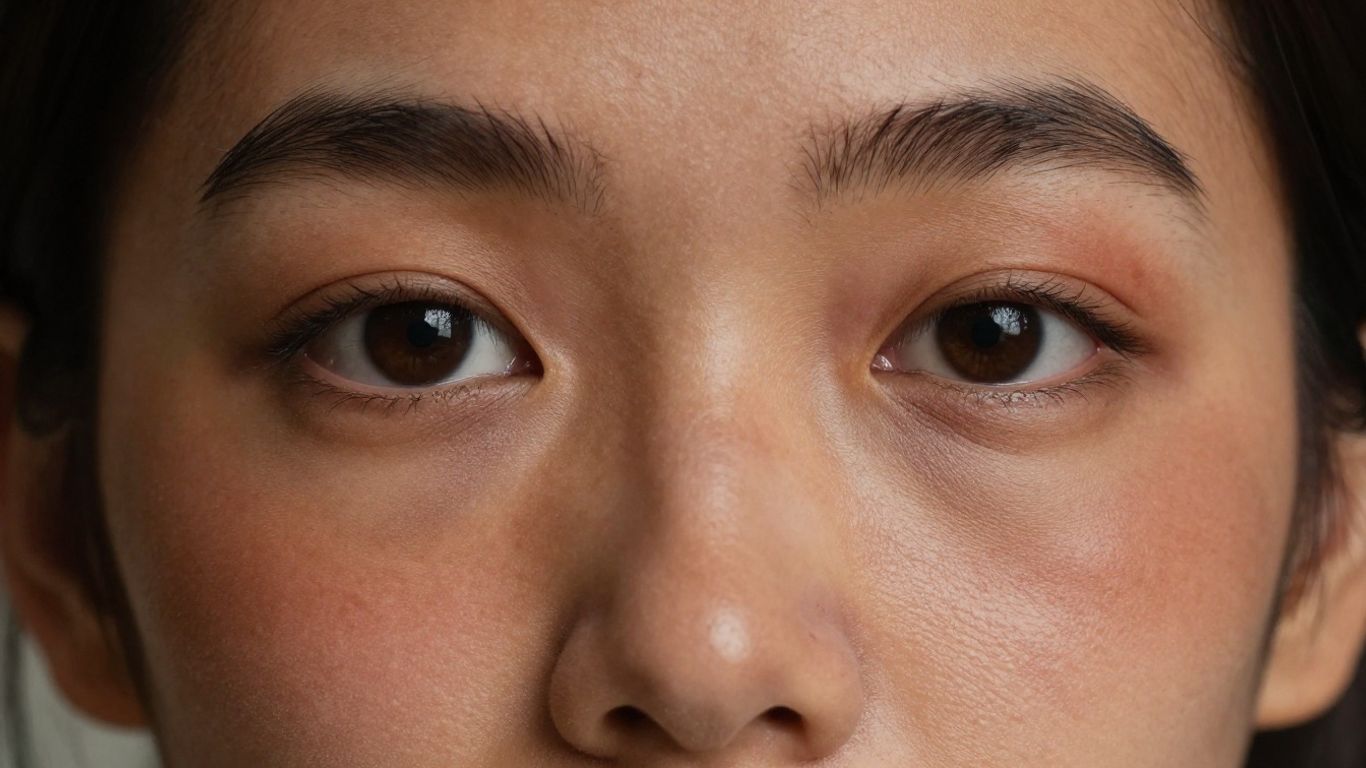
So, you’ve got mixed skin and you’re noticing some uneven skin tone for mixed complexions? You’re not alone. This is often referred to as hyperpigmentation, and it basically means some parts of your skin are darker than others. It can show up as anything from little freckles to larger patches, and it’s a super common concern for a lot of people, no matter their age or background.
What is Hyperpigmentation?
Hyperpigmentation is when your skin produces too much melanin, the stuff that gives your skin its color. This extra melanin can clump together, creating those noticeable dark spots on combination skin or just a generally uneven complexion. It’s not usually a serious health issue, but it can definitely affect how you feel about your skin. The good news is, there are ways to manage it.
Causes of Hyperpigmentation
There are a bunch of reasons why this happens. Sometimes it’s just genetics, but more often, it’s something external that triggers it. Think of it like your skin reacting to something. The main culprits usually involve:
- Sun Exposure: This is a big one. Your skin makes more melanin to protect itself from UV rays, and if you get too much sun, it can lead to dark spots.
- Inflammation or Injury: Ever had a pimple that left a dark mark, or a cut that healed darker? That’s post-inflammatory hyperpigmentation. Anything that irritates or damages your skin can cause it.
- Hormonal Changes: Things like pregnancy or certain medications can mess with your hormones, which in turn can affect your skin’s pigment.
It’s important to remember that while many factors can contribute to hyperpigmentation, sun exposure often plays a role in either triggering or making existing discoloration worse. Protecting your skin from the sun is key.
Types of Melanin and Skin Tone
Melanin isn’t just one thing; it’s a complex pigment. The amount and type of melanin you have, along with how it’s distributed in your skin, determines your skin tone. In lighter skin tones, melanin is often found in smaller clusters. For those with medium or olive tones, melanosomes (the structures that hold melanin) might be larger and grouped together. In darker skin tones, melanosomes are typically larger, more numerous, and spread throughout the skin’s layers. This difference in melanin distribution is why hyperpigmentation can look different on various skin tones. Understanding your skin’s natural makeup helps in choosing the right treatments. If you’re looking for ways to address these concerns, exploring topical solutions for hyperpigmentation can be a good starting point.
Key Factors Contributing to Hyperpigmentation
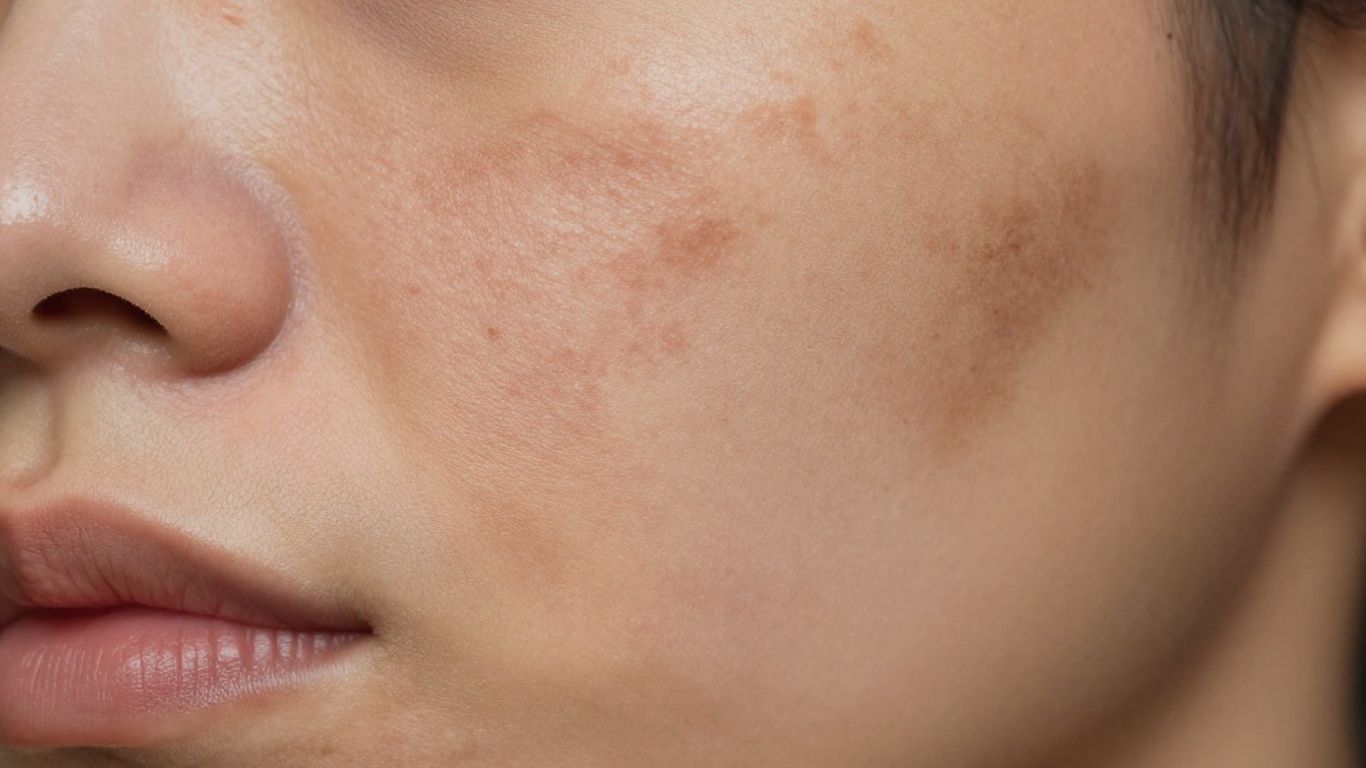
So, what exactly makes those darker patches pop up on our skin, especially when we have mixed skin tones? It’s not just one thing, but a few common culprits working together. Understanding these triggers is the first step to managing them.
Sun Exposure and Its Impact
This is probably the biggest one. Our skin produces melanin to protect itself from the sun’s UV rays. When we get too much sun, or even just consistent exposure over time, our melanin production can go into overdrive. This leads to those familiar sun spots or freckles, and it can make existing dark spots even darker. It’s like your skin is trying to build up its defenses, but it ends up creating uneven color.
- Excessive sun exposure is the number one trigger for hyperpigmentation.
- UV rays signal melanocytes to produce more melanin.
- This can result in sun spots, freckles, and worsening of other dark marks.
Inflammation and Skin Injuries
Ever notice a dark mark left behind after a pimple heals, or a cut, or even a rash like eczema? That’s called post-inflammatory hyperpigmentation, or PIH. When your skin gets injured or inflamed, it can sometimes overreact by producing extra melanin in that spot as it heals. This is why picking at blemishes is such a bad idea – it just increases the chances of leaving a lasting dark mark. It doesn’t matter your skin tone; PIH can happen to anyone, but it might be more noticeable on deeper skin tones.
Hormonal Fluctuations and Medications
Hormones play a sneaky role too. For instance, melasma, often called the "mask of pregnancy," is a type of hyperpigmentation that shows up as larger patches of discoloration, usually on the face. It’s thought to be triggered by a combination of hormonal changes (like those during pregnancy or from birth control pills) and sun exposure. Certain medications can also affect your skin’s pigmentation. If you notice new dark spots appearing, especially if they seem linked to a new medication or a change in your body, it’s worth chatting with your doctor.
It’s important to remember that while these factors can trigger or worsen hyperpigmentation, they often work in tandem. Sun exposure, for example, can make post-inflammatory marks and melasma much more prominent. Addressing these underlying causes is key to achieving a more even skin tone.
Here’s a quick rundown of common triggers:
- Sun exposure
- Acne and other inflammatory skin conditions (like eczema)
- Skin injuries (cuts, burns)
- Hormonal changes (pregnancy, birth control)
- Certain medications
- Aging skin
Dealing with these factors is a big part of tackling hyperpigmentation. For instance, protecting your skin from the sun is a major step in preventing new dark spots from forming and keeping existing ones from getting worse. It’s all connected, really.
Strategies for Managing Hyperpigmentation
Dealing with hyperpigmentation, especially when you have mixed skin tones, can feel like a constant battle. It’s not just about treating the dark spots that pop up; it’s about preventing them from coming back and keeping your overall skin tone even. This means we need to be smart about how we protect our skin from things that make it worse.
The Importance of Sunscreen
This is non-negotiable, folks. Sunscreen is your absolute best friend when it comes to managing hyperpigmentation. Even on cloudy days, those UV rays are doing their thing, and for many of us, that means triggering more melanin production. For mixed skin tones, this can lead to uneven patches and make existing dark spots even more noticeable. Think of sunscreen as your daily shield. You need a broad-spectrum SPF, and you need to apply it generously every single day, no exceptions. Don’t forget to reapply if you’re out for extended periods.
Limiting Sun Exposure
Beyond sunscreen, actively limiting your time in direct sunlight is key. This is especially true when you’re trying to tackle issues like post-inflammatory hyperpigmentation types or melasma. The sun is a major trigger, and the more you can reduce your exposure, the better your skin will respond to treatments. This doesn’t mean you have to hide indoors, but be mindful of peak sun hours.
- Seek Shade: Whenever possible, stay in shaded areas, especially between 10 AM and 4 PM.
- Be Aware of Reflective Surfaces: Water, sand, and even snow can reflect UV rays, increasing your exposure.
- Check the UV Index: Many weather apps provide a UV index; aim to minimize outdoor activity when it’s high.
Protective Clothing and Hats
Sometimes, sunscreen and shade just aren’t enough. That’s where protective clothing and hats come in. Wide-brimmed hats are fantastic for shielding your face, neck, and ears, areas that are particularly prone to sun damage and hyperpigmentation. Long sleeves and pants made from tightly woven fabrics can offer an extra layer of defense. This is particularly helpful when you’re dealing with conditions like treating melasma on combo skin, where hormonal changes can make skin extra sensitive to the sun.
Wearing physical barriers like hats and clothing is a simple yet incredibly effective way to reduce your skin’s overall UV exposure. It complements your sunscreen routine and provides a more robust defense against the sun’s damaging rays, helping to prevent the worsening of dark spots and uneven skin tone.
Effective Treatments for Hyperpigmentation
Dealing with hyperpigmentation can feel like a constant battle, but there are definitely ways to tackle those dark spots and uneven tones. It’s not about finding a magic bullet, but more about a consistent approach.
Chemical Peels and Facial Treatments
Professional treatments like chemical peels and facials can really make a difference. They work by gently removing the top layers of skin, revealing brighter, newer skin underneath. Think of it as a fresh start for your complexion. However, these treatments use acids, so it’s super important to chat with a dermatologist before booking anything. They can tell you what’s safe for your skin type and what to expect. Some common ones include glycolic acid treatments or vitamin C facials, which are great for brightening things up.
Skincare Ingredients to Look For
When you’re shopping for skincare, keep an eye out for a few key ingredients. Alpha Hydroxy Acids (AHAs) are fantastic for sloughing off dead skin cells that can make your skin look dull and uneven. Vitamin C is another powerhouse; it’s an antioxidant that helps even out skin tone and brighten your complexion. You might also see ingredients like licorice extract or kojic acid, which are known for promoting a more even skin tone. Finding products that combine these can be really effective for tackling discoloration.
Professional Treatment Options
Beyond peels, there are other professional options. Sometimes, a combination of therapies is recommended. For instance, treatments that focus on cell turnover can be very effective. It’s also worth noting that even the best in-clinic treatments won’t do much if you’re not protecting your skin from the sun. Look for products with antioxidants and UV protection. Serums designed to slow down pigment production can also be a game-changer. And don’t forget about retinol, which helps shed dead skin cells and even out your tone. If you’re looking for targeted solutions, consider over-the-counter products that often combine these beneficial ingredients.
Nourishing Ingredients for Brighter Skin
When you’re dealing with uneven skin tone and dark spots, it’s easy to feel like you’re stuck with them. But the good news is, there are some really effective ingredients out there that can help brighten things up. It’s all about giving your skin the right tools to heal and even out its complexion.
The Power of Vitamin C
Vitamin C is a real superstar when it comes to skincare, especially for tackling hyperpigmentation. It’s a potent antioxidant, which means it helps fight off those pesky free radicals that can damage your skin and make dark spots worse. Plus, it actually interferes with the production of melanin, the pigment that causes discoloration. Using a Vitamin C serum regularly can lead to a noticeably brighter and more even skin tone. It helps fade dark spots and gives your skin a healthy glow. You can find it in various forms, but look for stable derivatives that are less likely to irritate your skin. It’s a great ingredient to incorporate into your morning routine for all-day protection.
Benefits of Shea Butter
Shea butter might seem like just a moisturizer, but it does more than just hydrate. It’s packed with vitamins A and E, which are great for skin health. Vitamin A helps with skin cell regeneration, meaning it encourages new, healthy skin cells to come to the surface. Vitamin E is a fantastic protector, helping to shield your skin. For hyperpigmentation, this means shea butter can help improve skin texture and tone over time. It’s particularly good for soothing skin that might be irritated from other treatments. It’s a gentle ingredient that can really help improve the overall look and feel of your skin, making it softer and more supple. You can find it in many moisturizers and balms.
Alpha Hydroxy Acids (AHAs)
Alpha Hydroxy Acids, or AHAs, are a group of acids that are really good at exfoliating your skin. Think of them as little helpers that gently remove the dead, dull skin cells from the surface. This process, called cell turnover, is super important because it reveals the newer, brighter skin underneath. AHAs can help fade dark spots and improve uneven skin tone. Some common AHAs include:
- Glycolic Acid: Comes from sugar cane and is great for penetrating the skin.
- Lactic Acid: Derived from milk, it’s a bit gentler and also has moisturizing properties.
- Citric Acid: Found in citrus fruits, it helps with exfoliation and antioxidant benefits.
When using AHAs, it’s important to start slowly, maybe a few times a week, and always wear sunscreen because they can make your skin more sensitive to the sun. They are often found in cleansers, toners, and serums designed to improve skin texture and brightness. You can find products with AHAs that are specifically formulated to help with hyperpigmentation and dark spots.
Incorporating these ingredients into your routine can make a real difference in achieving a more even and radiant complexion. It’s about consistency and choosing products that work well for your specific skin concerns.
At-Home Skincare for Hyperpigmentation
Taking care of hyperpigmentation doesn’t always mean booking expensive appointments. You can make a real difference right in your own bathroom with a consistent routine. It’s all about being diligent and using the right products.
Regular Cleansing and Exfoliation
Cleansing is your first line of defense. You want to remove dirt, oil, and any lingering product without stripping your skin. For hyperpigmentation, look for gentle cleansers that won’t cause irritation, as inflammation can make dark spots worse. After cleansing, exfoliation comes into play. This is where you slough off those dead skin cells that can make your complexion look dull and uneven. Regular exfoliation helps reveal brighter skin underneath.
- Gentle Cleansing: Use lukewarm water and a mild cleanser. Avoid harsh scrubbing.
- Chemical Exfoliation: Products with Alpha Hydroxy Acids (AHAs) like glycolic or lactic acid are great for breaking down the bonds between dead skin cells. Start with a lower concentration a few times a week.
- Physical Exfoliation: If you prefer scrubs, opt for finely milled particles and use a very light touch. Overdoing it can cause micro-tears and more inflammation.
Targeted Serums and Masks
Once your skin is clean and prepped, it’s time for treatments. Serums are fantastic because they have a high concentration of active ingredients that can penetrate deeper into the skin. When looking for the best skincare for dark patches, serums are often a go-to. Masks can provide an intensive boost, offering a concentrated dose of beneficial ingredients for a short period.
- Vitamin C Serums: These are powerhouses for brightening and fighting free radicals. Look for stable forms of Vitamin C.
- Niacinamide Serums: This ingredient helps with skin barrier function and can also reduce the appearance of dark spots.
- Exfoliating Masks: Use these once or twice a week, depending on your skin’s tolerance. They can offer a more potent exfoliation than daily products.
- Brightening Masks: Ingredients like licorice extract or kojic acid in masks can help fade discoloration over time.
Consistency is key with any at-home treatment. Don’t expect overnight results. Stick with your routine, and you’ll start to see improvements in your skin’s tone and clarity.
Moisturizing for Skin Health
Don’t skip this step! Moisturizing is vital for keeping your skin barrier healthy and functioning properly. A compromised skin barrier can lead to increased sensitivity and inflammation, which, as we know, can worsen hyperpigmentation. Hydrated skin also looks plumper and more radiant, which can help minimize the appearance of dark spots. Look for moisturizers that contain ingredients like hyaluronic acid for hydration and ceramides to support your skin barrier. Using a good moisturizer is part of the best skincare for dark patches strategy.
- Hydration: Choose a moisturizer suited to your skin type (gel for oily, cream for dry).
- Barrier Support: Ingredients like ceramides, fatty acids, and cholesterol help repair and maintain the skin’s natural protective layer.
- Soothing Ingredients: Look for things like centella asiatica or aloe vera if your skin is feeling sensitive.
Wrapping It Up
So, dealing with mixed skin and those pesky dark spots can feel like a real puzzle sometimes. It’s not always straightforward, and what works for one person might not be the magic bullet for another. But hey, we’ve talked about how sun protection is super important, no matter your skin tone, and how things like shea butter or specific skincare ingredients can help even things out. Remember, consistency is key, and understanding what your skin needs is half the battle. Don’t get too discouraged if you don’t see results overnight. Keep experimenting, stay patient, and focus on a routine that makes your skin feel good and look its best.
Frequently Asked Questions
What exactly is hyperpigmentation?
Hyperpigmentation is when parts of your skin become darker than the surrounding areas. Think of it like having little dark spots or patches on your skin. It happens because your skin makes too much of a coloring substance called melanin, which is what gives your skin its natural color.
What causes these dark spots to appear?
Lots of things can cause hyperpigmentation! Spending too much time in the sun is a big one. Also, if you get a cut, a pimple, or have a skin condition like eczema, the spot where that happened might get darker afterward. Hormones can play a role too, and sometimes certain medicines can trigger it.
Does the sun make hyperpigmentation worse?
Absolutely! The sun is like a trigger for hyperpigmentation. When your skin is exposed to the sun’s rays, it produces more melanin to protect itself. If you already have darker patches, the sun can make them even more noticeable and darker.
How can I prevent hyperpigmentation from happening?
The best way to prevent it is to protect your skin from the sun. Always wear sunscreen with a good SPF, even on cloudy days. Try to limit how long you’re out in the sun, especially during the hottest parts of the day. Wearing hats and protective clothing also helps a lot!
What ingredients are good for treating dark spots?
Look for skincare products with ingredients like Vitamin C, which helps brighten skin and even out tone. Shea butter is great for moisturizing and helping skin heal. Alpha Hydroxy Acids (AHAs) can help gently remove dead skin cells, making dark spots less visible over time.
Can I treat hyperpigmentation at home?
Yes, you can! A good home routine includes gently cleaning and exfoliating your skin regularly to remove dead skin cells. Using serums or masks that target dark spots can be very helpful. And don’t forget to moisturize to keep your skin healthy and balanced.