
So, you’re thinking about Rogaine for your hair loss? It’s a pretty common topic, and honestly, a lot of people wonder if it actually works. We’ve all seen the ads, right? But what’s the real deal? Let’s break down what Rogaine is, how it’s supposed to help, and what you should really know before you decide to give it a try. It’s not always a magic bullet, but for some, it can make a difference. We’ll cover the basics, the good stuff, and the not-so-good stuff, so you can make an informed choice.
Key Takeaways
- Rogaine, with its active ingredient minoxidil, is an FDA-approved topical treatment for hair loss, primarily male and female pattern baldness.
- It works by widening blood vessels in the scalp, increasing blood flow to hair follicles and potentially stimulating hair growth.
- Consistency is vital; results take time (months) and disappear if you stop using Rogaine.
- While effective for many, Rogaine isn’t a cure-all and may have side effects; higher concentrations (5%) are generally more effective but might have more side effects than lower ones (2%).
- It’s best to consult a healthcare professional to determine if Rogaine is the right solution for your specific type of hair loss and to discuss potential risks.
Understanding Rogaine And Its Mechanism
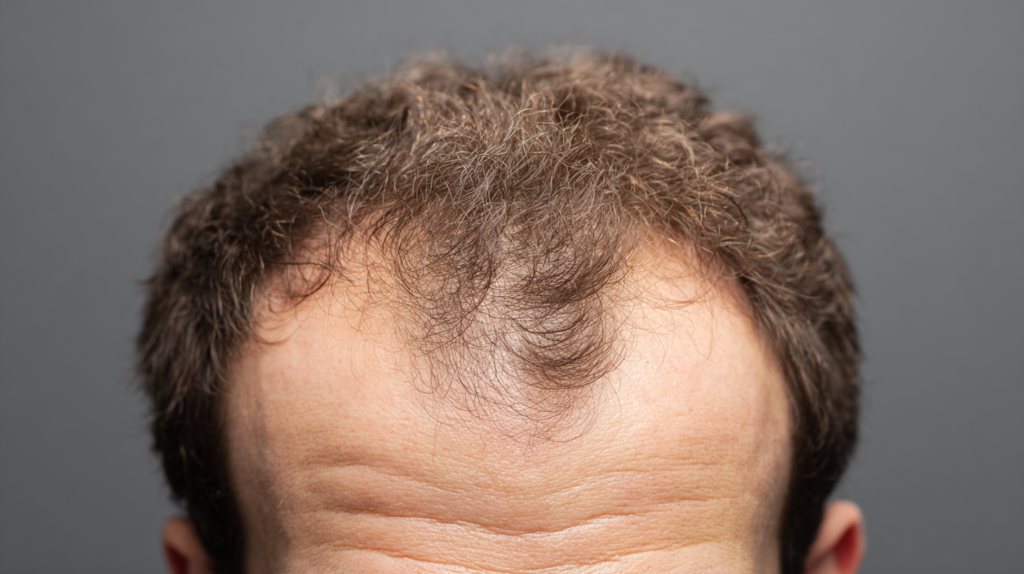
So, you’re curious about how Rogaine actually works, right? It’s not some magic potion, but it does have a pretty interesting mechanism. The main ingredient is minoxidil, and it was actually first developed for something else entirely – high blood pressure. Turns out, it had a side effect that people noticed: hair growth.
How Rogaine Works To Stimulate Hair Growth
Rogaine is applied directly to your scalp. When it gets there, it interacts with your hair follicles. The key idea is that it helps to widen the blood vessels in your scalp. This increased blood flow means more oxygen and nutrients can get to those tiny hair follicles. Think of it like giving your hair roots a better delivery service.
The Role Of Minoxidil In Hair Regrowth
Minoxidil is the star player here. While its exact process isn’t fully understood, we know it plays a big part in encouraging hair to grow. It seems to help push more follicles into the active growth phase, which is called the anagen phase. This can lead to hairs that are thicker and longer. It’s one of the most popular hair restoration treatments for a reason, and studies show a good percentage of men find it effective for regrowing hair. The minoxidil benefits are pretty clear for many users.
Vasodilation And Increased Blood Flow To Follicles
This vasodilation, or widening of blood vessels, is pretty important. By increasing blood flow to your scalp, Rogaine helps create a better environment for hair to grow. More blood means more resources delivered right where they’re needed. This can help to revitalize dormant follicles and encourage new growth. It’s a pretty straightforward concept, really: better circulation can lead to better growth. If you’re looking into options, understanding these minoxidil benefits is a good start.
Rogaine’s Effectiveness For Different Hair Loss Types
So, does Rogaine actually work for everyone and every kind of hair loss? The short answer is no, but it’s effective for a good number of people and specific conditions. It’s not a magic bullet, but it’s a well-researched option for certain types of thinning.
Treating Male and Female Pattern Baldness
This is where Rogaine really shines. It’s FDA-approved for androgenetic alopecia, which is the fancy term for male and female pattern baldness. For men, it typically targets the crown and the top of the head. For women, it’s usually for general thinning across the top of the scalp. The key is that it works best when hair loss is due to genetics and hormones, not other underlying issues.
Rogaine for Alopecia Areata and Telogen Effluvium
Rogaine can also be helpful for other types of hair loss, though it’s often used off-label for these. For alopecia areata, where the immune system attacks hair follicles, minoxidil might help stimulate regrowth. Similarly, with telogen effluvium, a type of temporary hair shedding often triggered by stress or illness, Rogaine can potentially speed up the return of hair. However, it’s important to address the root cause of these conditions first.
Potential for Beard and Eyebrow Hair Growth
While Rogaine is officially approved only for scalp hair, many people have found success using it to encourage beard and eyebrow growth. Doctors might recommend it for these uses, but it’s not what the FDA specifically cleared it for. If you’re thinking about using it for your beard or brows, definitely chat with a healthcare professional first.
Here’s a quick look at what Rogaine is approved for:
- Male Pattern Baldness: Targets thinning on the crown and top of the head.
- Female Pattern Hair Thinning: Addresses general thinning across the top of the scalp.
- Off-Label Uses: May be suggested for alopecia areata, telogen effluvium, and facial hair growth.
It’s crucial to remember that Rogaine doesn’t work for every single person. Some individuals might not see any results, even after consistent use. Patience is a big part of this journey, and managing expectations is key. If you’re looking for a fresh start, think of it like trying a new skincare routine; you won’t see snow bunny results overnight.
It’s worth noting that while the active ingredient is the same, the concentrations can differ between men’s and women’s products, which we’ll get into next. But for these specific types of hair loss, Rogaine has a proven track record for many users.
The Practicalities Of Using Rogaine
So, you’re thinking about giving Rogaine a shot for your hair loss. That’s a big step, and it’s totally normal to wonder about the actual day-to-day of using it. It’s not exactly complicated, but there are definitely some things to keep in mind to get the best results. Let’s break down what using Rogaine actually looks like.
Ease Of Application For Topical Rogaine
One of the biggest pluses for Rogaine is how straightforward it is to apply. You don’t need a doctor’s appointment every time you use it, which is a relief. It comes in a foam or a liquid solution, and both are designed for easy scalp application. You just need to make sure your scalp and hair are completely dry before you start. Then, you part your hair to expose the scalp and apply the recommended amount – usually about half a capful of foam or 1 ml of solution. Gently massage it into the areas where you’re seeing thinning. It’s a pretty quick process, honestly.
Recommended Usage And Frequency
For most people, the standard advice is to apply Rogaine twice a day, once in the morning and again in the evening. This consistent application helps keep the active ingredient, minoxidil, working effectively on your hair follicles. While some sources suggest that using it once a day might be safe, you could potentially see slower results. Sticking to the twice-daily routine is generally recommended for optimal outcomes. It’s about building a habit, like brushing your teeth, that fits into your daily routine.
Consistency Is Key: The Need For Continuous Use
This is probably the most important point to grasp about Rogaine: it’s not a one-and-done kind of treatment. You have to keep using it to maintain the results. If you stop applying Rogaine, any hair that grew back will likely start to fall out again, and you’ll return to your previous level of hair loss.
Think of it like watering a plant; you have to keep doing it for the plant to stay healthy. This means committing to regular application, potentially for the long haul, to keep seeing thicker hair. It’s a commitment, for sure, but for many, the results are worth that ongoing effort. If you’re looking for a quick fix, Rogaine isn’t it, but if you’re prepared for a consistent routine, it can be a game-changer. It’s a bit like getting a sunless tan; you need to maintain it to keep the glow.
Here’s a quick rundown of what to expect:
- Twice Daily Application: Aim for morning and night for best results.
- Dry Scalp: Always apply to a completely dry scalp.
- Patience: Noticeable results can take several months.
- Commitment: Continued use is necessary to maintain regrowth.
It’s easy to get discouraged if you don’t see changes right away. Hair growth is a slow process, and Rogaine works with your natural hair cycle. So, try not to get too hung up on daily progress. Focus on sticking to the routine, and trust that the medication is doing its job over time. The visual changes might not be dramatic week-to-week, but they add up.
Navigating Rogaine’s Pros And Cons
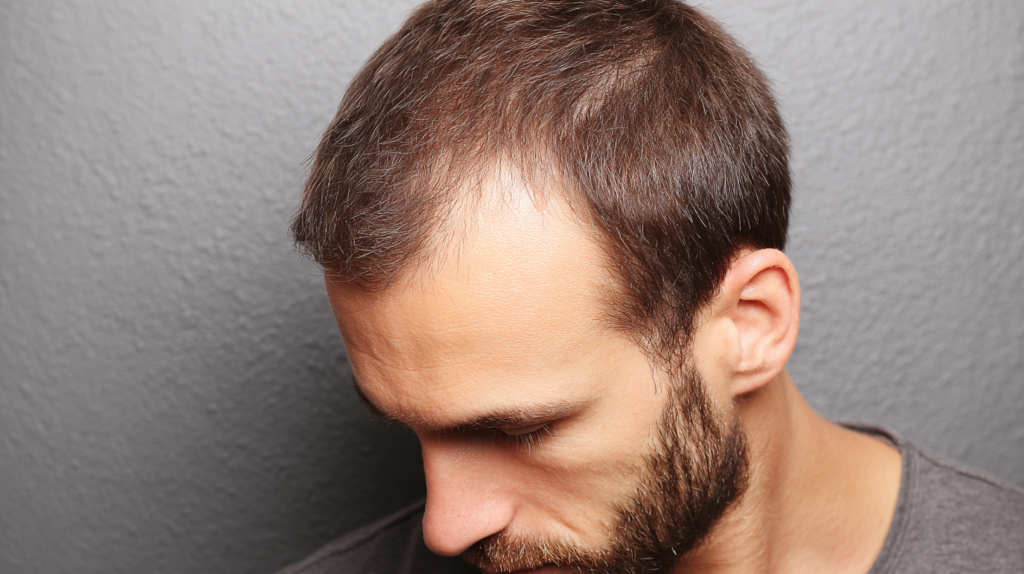
So, you’re thinking about Rogaine. It’s a big step, and like anything, it’s got its good points and its not-so-good points. Let’s break it down so you know what you’re getting into.
FDA Approval And Safety Standards
First off, the good news: Rogaine is FDA-approved. This means it’s gone through a bunch of tests to make sure it’s safe and actually does what it says it will do. It’s the only topical hair growth treatment that has this approval, which is a pretty big deal. It’s been around for a while, approved for men in 1988 and women in 1991, so it’s not some brand-new experiment. This approval covers how it’s made, what it says on the label, and how effective it is. It’s a solid green light from a regulatory standpoint.
Patience Required: Results Take Time
Now for the reality check. While Rogaine starts working right away on a cellular level, you won’t see results immediately. It takes time. Most people start noticing a difference after about four months, but for the best results, you might need to wait up to a year. It’s a marathon, not a sprint. You have to be prepared to stick with it.
The Commitment To Long-Term Application
This is probably the biggest hurdle for most people. Rogaine works as long as you use it. If you stop, any hair you’ve regrown will likely start to fall out again. Think of it like brushing your teeth; you have to keep doing it to maintain the benefits. So, when you start Rogaine, you’re signing up for a long-term commitment, likely applying it twice a day, indefinitely, to keep seeing that hair growth. It’s not a quick fix, it’s a lifestyle change if you want to keep your hair.
Here’s a quick rundown of what to expect:
- Initial Shedding: For the first couple of weeks, you might actually see more hair fall out. Don’t panic! This is usually your follicles pushing out old hairs to make way for new ones. It’s a sign it’s working.
- Gradual Regrowth: Over months, you’ll start to see finer hairs appear, which then thicken over time.
- Maintenance: Once you achieve your desired results, you’ll need to continue using Rogaine to maintain them.
The effectiveness of Rogaine can vary from person to person. What works wonders for one individual might have a less dramatic effect on another. It’s important to manage expectations and understand that consistency is the most critical factor in seeing any positive changes. Don’t get discouraged if you don’t see results as quickly as someone else; focus on your own journey.
When considering Rogaine, it’s always a good idea to chat with a doctor. They can help you figure out if it’s the right choice for your specific type of hair loss and discuss any potential concerns. You can find more information about minoxidil treatments and their approval.
Rogaine For Men Versus Rogaine For Women
When you look at Rogaine products, you might notice they’re often marketed specifically for men or women. This can lead to some confusion about whether they’re actually different. The main active ingredient in both is minoxidil, which is what actually helps stimulate hair growth. So, what’s the deal with the gendered packaging?
Concentration Differences In Minoxidil
This is where the most significant difference lies, especially in the topical solutions. Men’s Rogaine typically comes in a 5% minoxidil concentration. For women, the standard topical solution is usually 2% minoxidil. This difference in strength is often cited as the reason for separate products, with the idea being that a lower concentration might be better for women to potentially reduce side effects. However, it’s worth noting that the 5% concentration is also available in foam form for women, and research suggests it can be effective for both genders.
Marketing Versus Ingredient Differences
Interestingly, sometimes the difference is purely in the marketing. For instance, the 5% minoxidil foam product might have identical ingredients whether it’s labeled for men or women. The packaging color might change – think navy blue for men, maybe a different shade for women – but the actual medication is the same. This marketing approach can sometimes lead to price differences, with women’s versions historically being marked up, even though the contents are identical. It’s a bit of a head-scratcher, honestly.
Effectiveness Of Higher Concentrations For Both Genders
While the 2% solution is often recommended for women, studies have shown that the 5% concentration of minoxidil can be effective for treating female pattern baldness too. The concern about side effects, like unwanted facial hair growth if not applied carefully, might be why the lower concentration is pushed for women. However, reports of side effects don’t show a significantly higher rate in women compared to men when using similar products. If you’re a woman considering the 5% strength, it’s a good idea to discuss it with a doctor. Ultimately, the effectiveness often comes down to individual response and consistent application, not just the gender on the box.
It’s important to remember that minoxidil works by increasing blood flow to the hair follicles. This process helps to prolong the growth phase of your hair cycle. Because of this, you need to keep using the product consistently to maintain the results. Stopping treatment means the benefits will eventually fade away.
Here’s a quick look at the typical differences:
| Product Type | Typical Minoxidil Concentration | Common Formulations | Notes |
|---|---|---|---|
| Rogaine for Men | 5% | Solution, Foam | Often the go-to for male pattern baldness. |
| Rogaine for Women | 2% (Solution), 5% (Foam) | Solution, Foam | 2% solution is standard; 5% foam also available and often effective. |
When choosing a product, it’s always best to consult with a healthcare professional. They can help you figure out the right concentration and product for your specific hair loss situation. You can find more information on minoxidil products for men and women and their varying strengths.
Considering Rogaine As A Hair Loss Solution
So, you’re thinking about giving Rogaine a shot to tackle that thinning hair or bald spot? It’s a pretty common thought, especially since Rogaine is one of the most talked-about hair regrowth treatment options out there. But before you grab a bottle, let’s break down what you really need to know. It’s not a magic bullet, and understanding how it works and what to expect is super important.
When Rogaine Is Most Effective
Rogaine, with its active ingredient minoxidil, tends to work best for specific types of hair loss. We’re mainly talking about androgenetic alopecia, which is that common male and female pattern baldness. If your hair loss is due to genetics, you’re more likely to see positive results. It can also help with other conditions like alopecia areata and telogen effluvium, but it’s not always a guaranteed fix for those.
The key is that it stimulates the hair follicles you still have, encouraging them to grow thicker and longer. It’s less about creating new follicles and more about revitalizing existing ones. So, if you’re noticing thinning at the crown or a widening part, Rogaine might be a good candidate for your hair regrowth journey. It’s definitely one of the best hair growth products for these specific issues.
Consulting A Healthcare Professional
Look, I get it, you can just buy Rogaine over the counter. But honestly, before you start any new treatment, especially one you’ll need to use long-term, it’s a really good idea to chat with a doctor or a dermatologist. They can help figure out why you’re losing your hair in the first place. Sometimes, hair loss can be a sign of something else going on, and Rogaine might not be the right answer, or maybe you need a stronger prescription. They can also advise on the best concentration for you and how to use it, especially if you’re considering it for beard or eyebrow growth. Think of it as getting a professional opinion before you commit.
Understanding Potential Side Effects
While Rogaine is generally considered safe, especially since it’s FDA-approved, it’s not totally without its quirks. Most people don’t have any issues, but some might experience things like scalp irritation, itching, or dryness. Occasionally, people report unwanted hair growth in other areas, which is a bit weird but can happen if the product spreads.
There’s also the initial shedding phase – yeah, it sounds counterintuitive, but sometimes your hair might seem to fall out more at first as the follicles get ready to grow new hair. It’s all part of the process, but it’s good to be aware of these possibilities so you’re not caught off guard. Knowing how to use hair regrowth serum properly can help minimize some of these issues.
So, What’s the Verdict on Rogaine?
Alright, so we’ve talked a lot about Rogaine. It’s been around for a while, FDA approved, and for many people, it actually helps with hair regrowth. The biggest things to remember are that it takes time to see results – we’re talking months, not days – and you have to keep using it if you want to keep the hair you get back.
It’s not a magic bullet, and it doesn’t work for everyone or every type of hair loss. If you’re thinking about giving it a shot, it’s probably a good idea to chat with a doctor first. They can help figure out if it’s the right move for your specific situation. Just know what you’re getting into: consistency is key, and patience is definitely a virtue with this one.
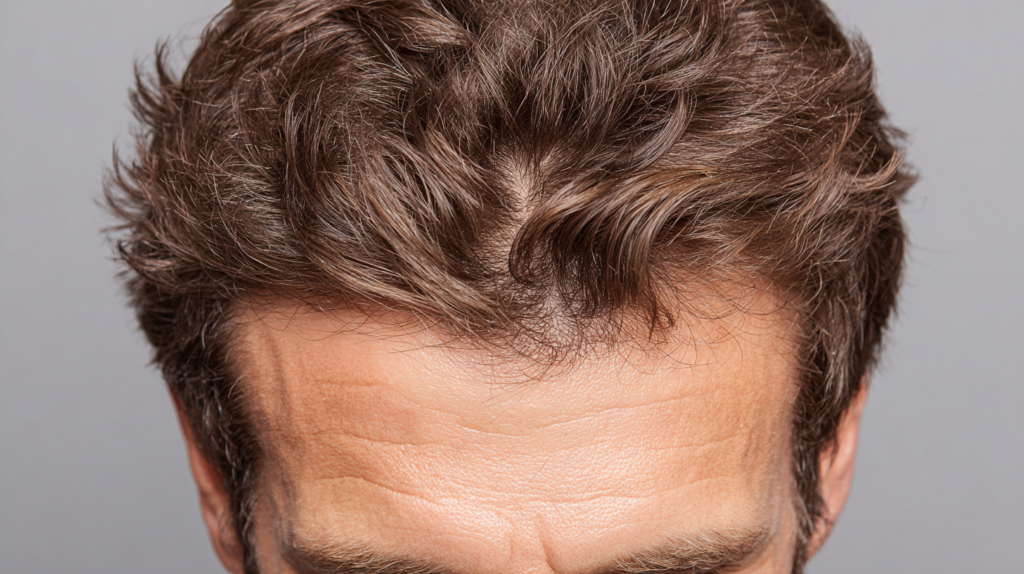
Frequently Asked Questions
How does Rogaine actually help hair grow back?
Rogaine has an ingredient called minoxidil. It’s thought to work by making your blood vessels wider, especially in your scalp. This means more blood, oxygen, and nutrients can get to your hair roots, helping them to grow thicker and longer. It basically wakes up sleepy hair follicles!
What kind of hair loss can Rogaine help with?
Rogaine is mainly approved to help with common types of hair loss like male and female pattern baldness, which often run in families. It can also sometimes help with other hair loss issues like alopecia areata, where you lose hair in patches, but it’s always best to check with a doctor for these.
How long does it take to see results from Rogaine?
You won’t see results overnight! It takes time and patience. Most people start noticing some new hair growth after about four months of using Rogaine regularly. For the best results, you might need to wait up to a year.
Do I have to use Rogaine forever?
Yes, pretty much. If you stop using Rogaine, the hair that grew back will likely start to fall out again. So, to keep the results you get, you need to use it consistently, usually twice a day, for as long as you want to maintain your hair.
Is Rogaine the same for men and women?
Rogaine comes in different strengths. For men, it’s usually a 5% solution or foam. For women, the standard is a 2% solution. While the main ingredient, minoxidil, is the same, the concentration differs. Sometimes, women might use the 5% foam, but it’s good to talk to a doctor first.
Are there any side effects I should know about?
Rogaine is generally safe because it’s approved by the FDA. However, some people might experience things like scalp irritation, itching, or unwanted hair growth in other places. Rarely, some might have dizziness or headaches. It’s always a good idea to discuss any concerns with your doctor.



Погрузитесь в захватывающий мир игры 1вин самолетик и испытайте удачу прямо сейчас!
Это свойство привлекает игроков всех возрастов и уровней опыта.
Играйте в 1win самолет и испытайте удачу в увлекательном мире авиационных приключений!
Важно осознавать, что игра может быть связана с определенными рисками.
Visit our website goodday 4play casinoand discover exciting games!
Fostering relaxation and companionship can significantly improve one’s mood.
Immerse yourself in a captivating worldaviator gameand try your luck at flying your own plane!
The aviator game offers an exhilarating online platform that enchants a wide array of gamers.
vpower apk download
This application offers a range of features that make it appealing.
Immerse yourself in a fascinating world airplane game money and experience your passion right now!
As bets are placed, the rising multiplier adds an extra layer of excitement to the gameplay.