
Curly hair comes in all sorts of textures, and figuring out your specific curl type can really help you take better care of your hair. Whether you’re looking to embrace your natural waves or just want to know how to style your curls, understanding curly hair types is a must. This guide will break down the different kinds of curls, help you identify your own curl pattern, and give you some tips on how to care for your unique locks.
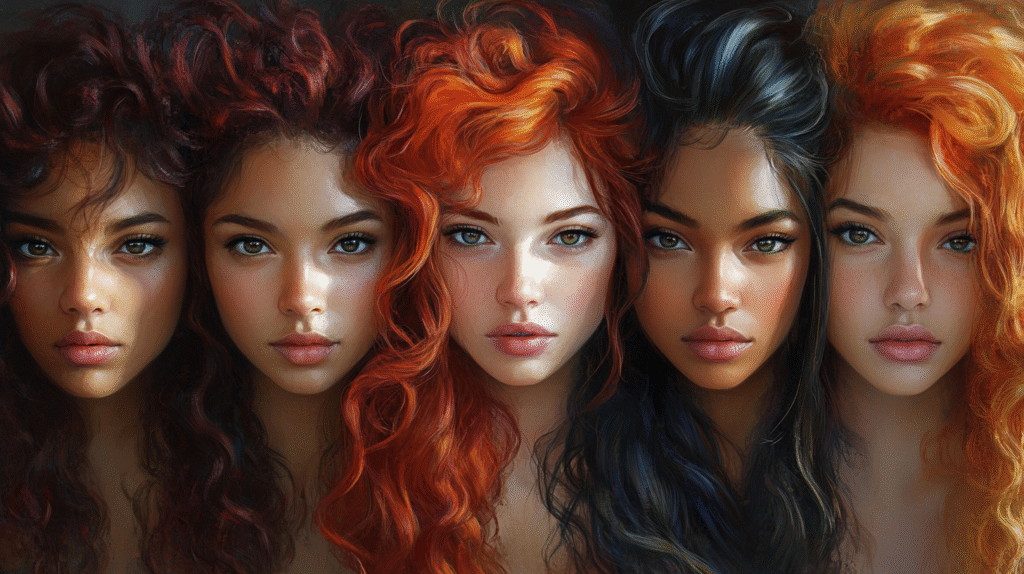
Key Takeaways for Curly Hair Types
- Curly hair types are categorized into three main types: wavy, curly, and coily.
- Each type has subcategories (A, B, C) based on the tightness of the curls.
- Knowing your curl type helps you pick the right products and styling techniques.
- Most people have a mix of curl types on their heads, so check different areas of your hair.
- Embracing your natural curls can boost your confidence and help you appreciate your unique beauty.

Exploring The Basics Of Curly Hair Types
Understanding Hair Typing Systems
Okay, so first things first, let’s talk about how we even classify curly hair. It’s not just
Identifying Your Unique Curl Pattern

It’s time to figure out what kind of curls you’re working with! This can feel like a puzzle, but once you crack the code, your hair care routine will become way easier. Understanding your curl pattern is the first step towards happy, healthy curls. It’s not just about aesthetics; it’s about knowing what your hair needs to thrive.
Observing Your Hair’s Natural State
Okay, so how do you actually see your curl pattern? Start by washing your hair and letting it air dry completely, without any product. This gives you the truest picture of your natural texture. Don’t brush or comb it while it’s drying, either. Once it’s dry, take a good look in the mirror. What shapes do you see? Are they tight coils, loose waves, or something in between? It’s also worth noting that many people have more than one curl pattern on their head, so don’t be surprised if you see a mix!
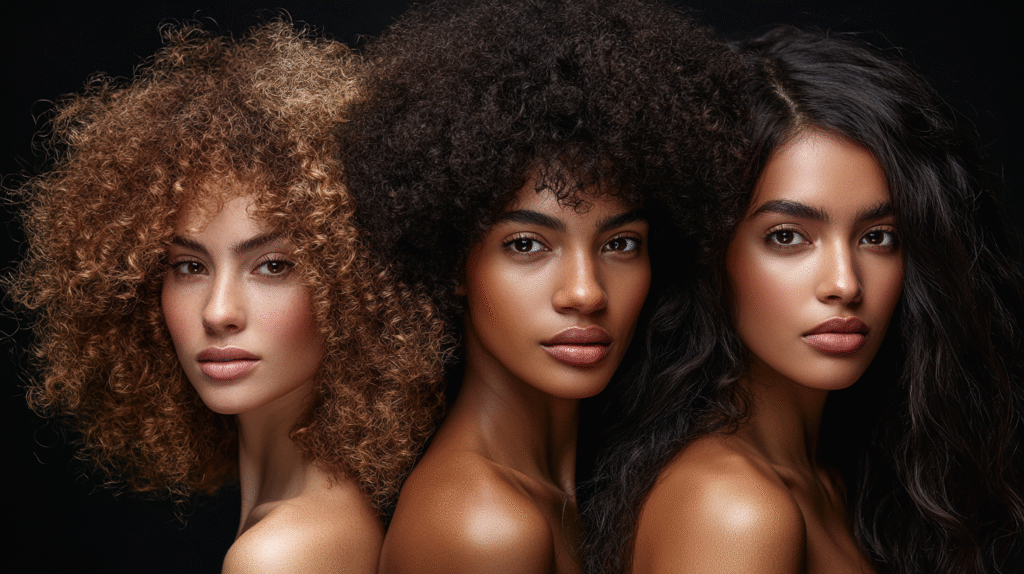
The Role Of Hair Follicle Shape
Did you know that the shape of your hair follicle actually determines your curl pattern? It’s true! Round follicles tend to produce straight hair, while oval or flat follicles create wavy, curly, or coily hair. The flatter the follicle, the curlier the hair. It’s all about the way the hair shaft emerges from the scalp. This is why some people have naturally straight hair, while others have tight coils. It’s all in the follicle! Understanding hair follicle shape can help you appreciate the science behind your curls.
Common Misconceptions About Curl Types
There are a few myths floating around about curl types that I want to clear up. First, having a certain curl type doesn’t automatically mean your hair is healthy or unhealthy. All curl types can be healthy with the right care. Second, don’t get too hung up on the exact letter and number. The typing system is a guide, not a rigid rule. Finally, remember that your curl pattern can change over time due to factors like hormones, age, and even the products you use.
It’s important to remember that your hair is unique, and what works for someone else might not work for you. Experiment with different products and techniques to find what makes your curls happy. Don’t be afraid to break the rules and create your own routine!
Type 2: Wavy Hair Characteristics
Okay, so you think you might have wavy hair? Type 2 hair is that sweet spot between straight and curly. It’s got a definite S-shape to it, but it doesn’t quite form full curls. It’s like your hair is trying to decide what it wants to be when it grows up. Let’s break down the different types of wavy hair.
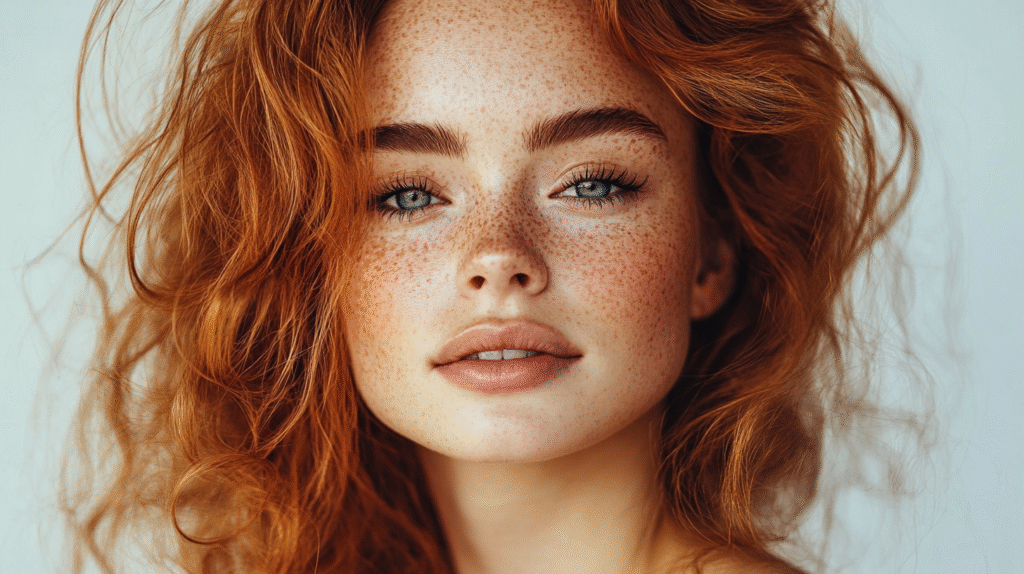
Woman with beautiful #Type2WavyHair , with glowing skin, beautiful 22 year old woman smiling at the camera, extreme details on the face and skin, soft white background, shot with Arri Alexa mini LF, magazine cover

2A: Loose Waves
2A hair is the chillest of the wavy bunch. These waves are super loose and almost look straight at the crown of your head. They’re usually pretty fine and easy to manage, but they can sometimes lack volume. Think beachy waves that barely need any effort. It’s the kind of hair that looks great with a little texturizing spray and a carefree attitude. If you’re looking to enhance your natural beauty, a light mousse might do the trick.

2B: Defined Waves
Now we’re getting somewhere! 2B waves are more defined than 2A. You’ll notice a more consistent S-pattern from root to tip. This type tends to be a bit frizzier than 2A, especially if it’s humid. It’s also usually thicker and can be a little more challenging to style. Think of it as the slightly rebellious older sister of 2A. You might need a good anti-frizz serum to keep things under control.

2C: Thick Waves
2C hair is where things start to get interesting. These are thick, defined waves that are almost curls. They’re prone to frizz and can be quite coarse. 2C hair often has a mind of its own and requires some serious product to keep it in check. It’s the kind of hair that looks amazing when it’s styled right, but can be a total pain on a bad hair day. If you have this hair type, you probably already know the struggle. Deep conditioning treatments are your best friend.
Wavy hair can be tricky because it’s not quite straight and not quite curly. Finding the right products and techniques can make all the difference in achieving defined, frizz-free waves. Experiment with different methods to see what works best for your hair. Don’t be afraid to embrace your natural texture and let your waves shine!

Type 3: Curly Hair Characteristics
Type 3 hair is what most people think of when they picture curly hair. The curls are defined and springy, often forming a distinct “S” shape. It’s not quite wavy, and not quite coily, but sits right in the middle. Type 3 curls can range from loose and bouncy to tight and compact, and they usually have a good amount of volume. Managing moisture is key with this hair type, as it can be prone to dryness.
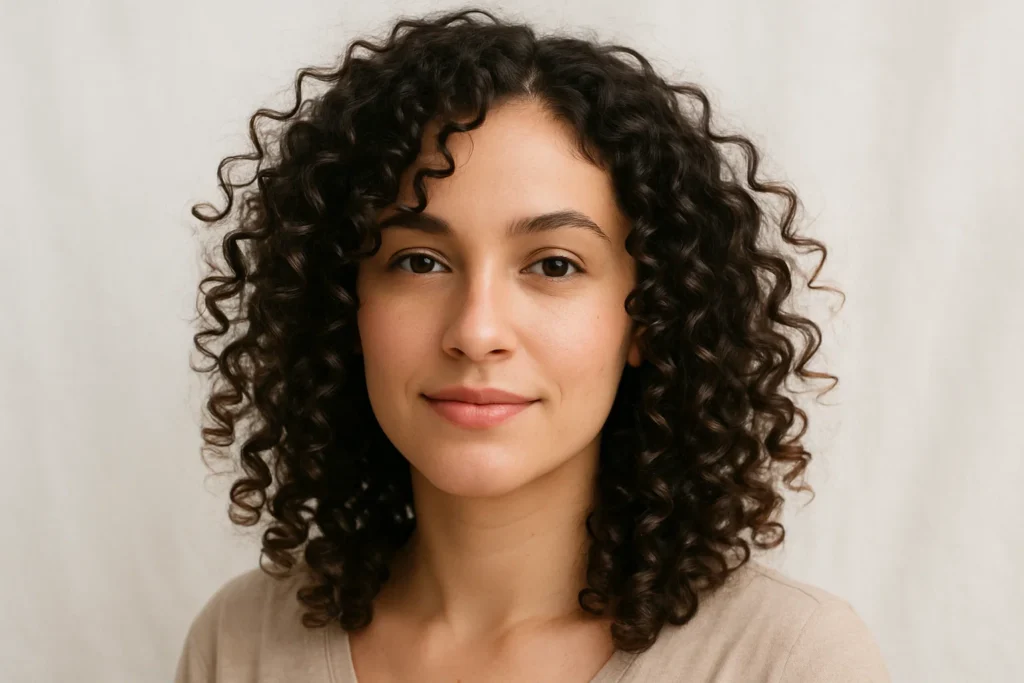
3A: Loose Curls
3A curls are large, loose curls that are about the size of a cork. They have a definite “S” pattern and are usually pretty shiny. They’re easier to straighten than tighter curl types, but they can also be prone to frizz. Think of them as big, bouncy ringlets. They don’t always need a ton of product to look good, but a little something to define the curl and control frizz can help.
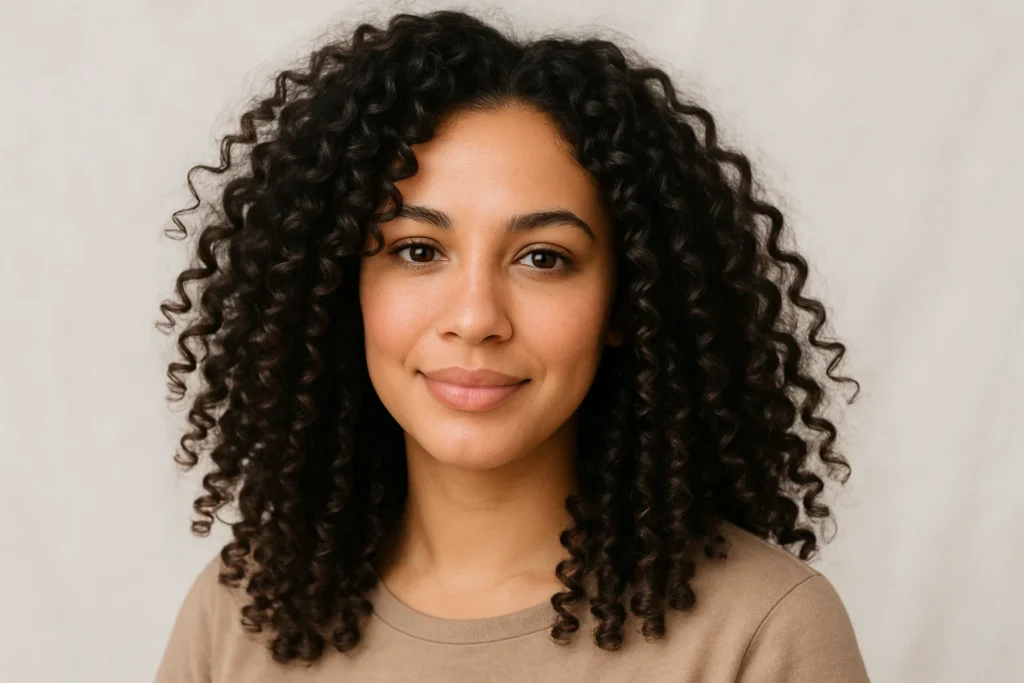
3B: Medium Curls
3B curls are tighter than 3A, about the size of a marker. They’re springier and have more volume. Frizz can be more of an issue with this type, and they tend to need more moisture than 3A hair. Styling can be a bit more involved, as they need products that will define the curls without weighing them down.

3C: Tight Curls
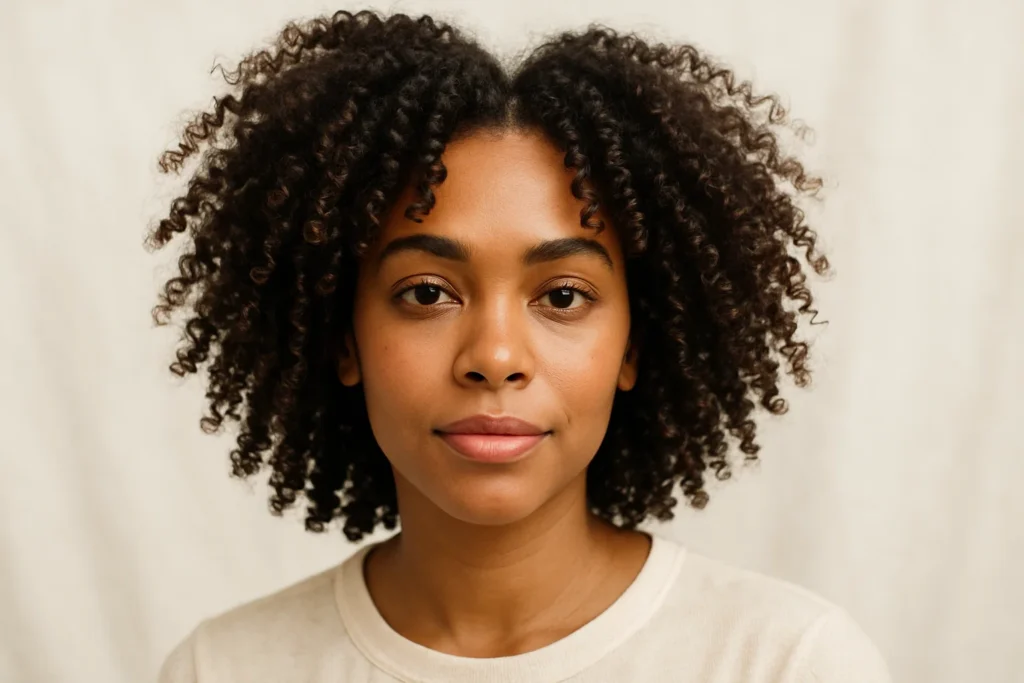
3C curls are very tight, almost like corkscrews. They’re densely packed and have a lot of volume. This type is the driest of the type 3s and needs a lot of moisture to stay healthy and defined. Shrinkage is common, meaning the hair looks much shorter than it actually is. Styling can be tricky, and it’s important to use products that won’t cause buildup. Protective styles can be a good option for 3C hair.
Taking care of type 3 hair involves finding the right balance of moisture and definition. Experiment with different products and techniques to see what works best for your specific curl pattern. Don’t be afraid to try new things and adjust your routine as needed. The key is to embrace your natural curls and find what makes them thrive.
Type 4: Coily Hair Characteristics
Type 4 hair, also known as coily or kinky hair, is characterized by its tightly coiled curl pattern. It’s often delicate and requires special care to maintain moisture and prevent breakage. Type 4 hair can range from soft, fine coils to tight, z-shaped strands, each with its own unique characteristics and needs.

4A: Soft Coils
4A hair features tightly coiled strands that form a distinct “S” pattern. These coils are usually well-defined and springy. They tend to retain more moisture than other type 4 hair subtypes, but still benefit from regular hydration.
- Defined, S-shaped coils.
- Retains more moisture compared to other type 4 types.
- Benefits from regular moisturizing and gentle handling.

4B: Z-Shaped Curls
4B hair has a less defined curl pattern, often resembling a “Z” shape with sharp angles and bends. It’s prone to shrinkage and can be drier than 4A hair.
- Characterized by sharp angles and a “Z” shape.
- Prone to significant shrinkage.
- Requires extra moisture to prevent breakage.

4C: Kinky Coils
4C hair is the tightest of the type 4 textures, with a very tight coil pattern that can sometimes be difficult to distinguish. It experiences the most shrinkage and is the most prone to dryness.
- Extremely tight, compact coils.
- Experiences significant shrinkage.
- Requires consistent and intense hydration.
Taking care of type 4 hair can be a journey of trial and error. What works for one person might not work for another. The key is to be patient, listen to your hair, and find the products and techniques that best suit your unique curl pattern.
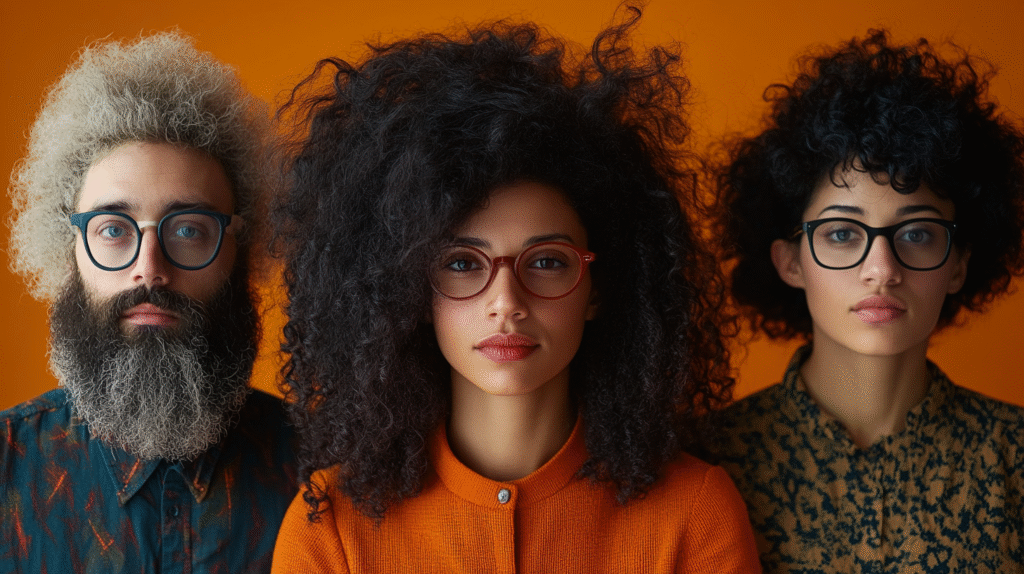
Caring For Different Curly Hair Types
It’s true, every curl type needs a slightly different approach. What works wonders for someone with loose waves might totally weigh down tight coils. The key is understanding your specific curl pattern and tailoring your routine accordingly.
Choosing The Right Products
Product selection is crucial. What you put in your hair can make or break your curl definition, hydration, and overall health. Here’s a quick rundown:
- Type 2 (Wavy): Lightweight mousses and gels are your friends. You want something that enhances your waves without making them feel heavy or crunchy. Texturizing sprays can also add some nice volume.
- Type 3 (Curly): Curl creams and leave-in conditioners are essential for moisture. Gels can help define your curls and reduce frizz. Look for products that offer a good balance of hydration and hold.
- Type 4 (Coily): Moisture, moisture, moisture! Heavy creams, oils, and butters are your go-to. These hair types thrive on intense hydration. Consider products with ingredients like shea butter, coconut oil, and avocado oil. Also, consider sulfate-free shampoos to retain moisture.
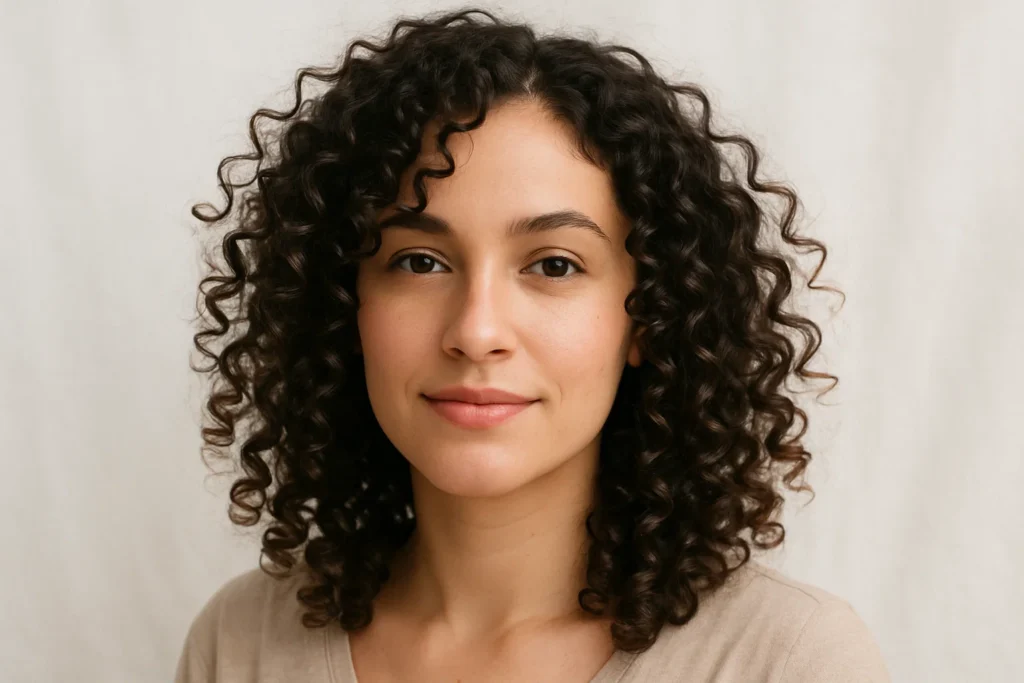
Styling Techniques For Each Type
Styling isn’t one-size-fits-all either. Here’s how to approach styling based on your curl type:
- Type 2 (Wavy): Try techniques like scrunching or plopping to enhance your natural wave pattern. Diffusing can also help add volume without creating frizz.
- Type 3 (Curly): Finger coiling or shingling can help define individual curls. Diffusing is a great way to dry your hair without disrupting your curl pattern. Protective styles can also help retain moisture and reduce breakage.
- Type 4 (Coily): Twisting, braiding, and bantu knots are excellent for defining curls and protecting your hair. The LOC (Liquid, Oil, Cream) or LCO (Liquid, Cream, Oil) method can help lock in moisture. Be gentle when detangling to avoid breakage.

Common Challenges And Solutions
No matter your curl type, you’ll probably face some common challenges. Here are a few and how to tackle them:
- Frizz: Frizz is a universal curly hair problem. Combat it with moisturizing products, avoiding harsh sulfates, and using a microfiber towel or t-shirt to dry your hair. A curl classification system can help you choose the right products.
- Dryness: Curly hair tends to be drier than straight hair because natural oils have a harder time traveling down the hair shaft. Deep conditioning treatments, leave-in conditioners, and moisturizing styling products can help. Consider using a humidifier, especially in dry climates.
- Lack of Definition: If your curls are looking limp or undefined, try using a curl-enhancing product like a gel or mousse. Experiment with different styling techniques to find what works best for your hair. You can also try layering products to achieve the desired hold and definition.
Finding the right routine for your curly hair can take time and experimentation. Don’t be afraid to try new products and techniques until you find what works best for you. Pay attention to how your hair responds and adjust your routine accordingly. Remember, healthy curls are happy curls!
Embracing Your Natural Curls

Celebrating Curl Diversity
It’s easy to get caught up in wanting what you don’t have, but let’s take a moment to appreciate the amazing variety in the curly hair world. From loose waves to tight coils, each curl type has its own unique beauty and charm. The key is to learn to love and work with what you’ve got. There’s no one “right” way to have curly hair, and comparing yourself to others will only lead to frustration. Instead, focus on finding what works best for your hair and celebrating its individuality.
Inspiration From Curly Hair Icons
Need a little inspiration? Look to celebrities, influencers, and everyday people who rock their natural curls with confidence. Seeing others embrace their texture can be a powerful reminder that curly hair is beautiful and versatile.
Here are a few to get you started:
- Tracee Ellis Ross
- Yara Shahidi
- Alicia Keys
These women showcase the beauty of natural curls and inspire others to do the same. Find someone whose hair is similar to yours and see how they style and care for it. You might pick up some new tips and tricks!
Building Confidence With Your Curl Type
Confidence is key to rocking any hairstyle, but it’s especially important when it comes to natural curls. It can take time to learn how to care for your hair and find styles that you love, but the journey is worth it.
Embrace the frizz, the flyaways, and the occasional bad hair day. These are all part of the curly hair experience. The more you accept and love your natural texture, the more confident you’ll feel.
Here are some tips for building confidence with your curl type:
- Experiment with different products and techniques to find what works best for your hair.
- Join online communities and connect with other curly-haired people for support and inspiration.
- Focus on the positive aspects of your hair, such as its volume, texture, and unique curl pattern.

Final Thoughts
So, there you have it! Understanding your curly hair type is a game changer. It helps you figure out what products to use and how to style your hair without all the fuss. Remember, your curls are unique, and embracing them is key. Whether you have loose waves or tight coils, there’s a way to make them shine. Don’t forget to experiment a bit to find what works best for you. And hey, if you have a mix of curl types, that’s totally normal too! Just take it one step at a time, and enjoy the journey of loving your curls.
Frequently Asked Questions
What are the main types of curly hair?
There are three main types of curly hair: Type 2 (wavy), Type 3 (curly), and Type 4 (coily). Each type has subcategories that describe the tightness of the curls.
How can I determine my curl type?
To find your curl type, wash your hair and let it air dry without any products. Once it’s dry, observe the natural pattern of your curls.
What is the difference between 2A, 2B, and 2C hair?
2A hair has loose waves, 2B has more defined waves with some frizz, and 2C has thick waves that are more voluminous.
What products should I use for my curly hair type?
Choosing the right products depends on your curl type. For example, lighter products work well for 2A, while heavier creams may be better for 4C.
How can I reduce frizz in my curls?
To minimize frizz, use a moisturizing conditioner, avoid heat styling, and try using a leave-in conditioner or curl cream.
Can I mix different curl types?
Yes, many people have a mix of curl types on their heads. It’s important to care for each section according to its specific needs.


naturally like your web-site however you have to check the spelling on quite a few of your posts. Many of them are rife with spelling issues and I find it very troublesome to tell the reality then again I will definitely come back again.
Khám phá thế giới giải trí không giới hạn tại xn88 gaming . Từ slot cổ điển đến video slots hiện đại, tất cả đều có tỷ lệ hoàn trả cực cao. TONY02-11O