
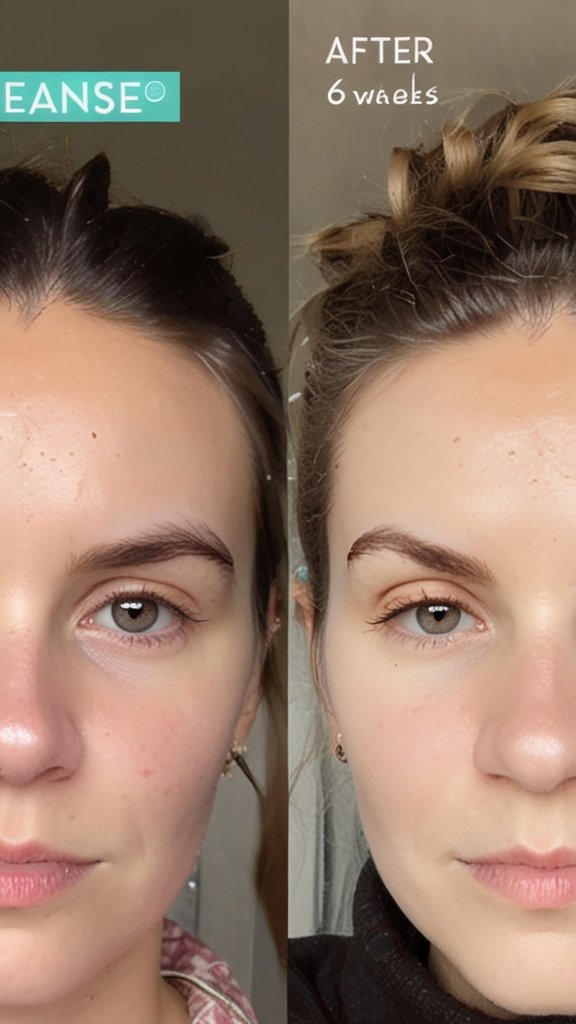
As the seasons change, so does your skin’s needs. After a summer filled with sun, saltwater, and maybe a bit too much fun, your skin might be crying out for some extra care. That’s where a seasonal skin detox comes in handy. It’s all about refreshing and reviving your skin to face the new season ahead. Whether you’re dealing with dryness, dullness, or just want to give your skin a little TLC, this guide will walk you through all the steps you need to get your glow back.
Key Takeaways
- Seasonal skin detox helps refresh and repair sun-damaged skin.
- Key ingredients like Vitamin C and Niacinamide are essential for brightening and hydration.
- A proper detox routine includes cleansing, exfoliation, and moisturizing.
- Adjusting your skincare products for fall is crucial for maintaining skin health.
- Avoid over-exfoliating and always keep your skin hydrated.
Understanding the Need for a Seasonal Skin Detox

The Impact of Seasonal Changes on Skin
When the seasons shift, so does your skin. The transition from summer heat to autumn coolness can leave your skin feeling confused and stressed. Humidity levels drop, and with it, your skin’s moisture can quickly evaporate. This often results in dryness and irritation. Seasonal changes can also affect how your skin produces oil, leading to unexpected breakouts or a dull complexion.
Why Summer Leaves Your Skin Needing a Detox
Summer fun comes with a price. All those sunny days spent outside can lead to a buildup of sweat, sunscreen, and environmental pollutants on your skin. These can clog pores and cause breakouts. Plus, UV exposure accelerates skin aging, leaving your skin thirsty and damaged. A detox helps to clear out these impurities, giving your skin a fresh start.
Benefits of a Seasonal Skin Detox
A seasonal skin detox can work wonders. Here are a few benefits:
- Deep Cleansing: Removes toxins and impurities that have accumulated over the summer.
- Improved Hydration: Prepares your skin to better absorb moisturizers and serums.
- Enhanced Glow: By incorporating regular exfoliation, you can reveal brighter, healthier skin beneath.
Taking the time to detox your skin as the seasons change isn’t just about aesthetics; it’s about maintaining your skin’s health and resilience against the elements. Your skin will thank you for the extra care and attention.
Essential Ingredients for a Successful Skin Detox
Vitamin C: The Brightening Agent
Let’s start with Vitamin C, a true powerhouse in skincare. After basking in the sun all summer, your skin might look a bit dull and uneven. Vitamin C is your go-to ingredient for brightening things up. It tackles dark spots and hyperpigmentation, leaving your skin looking fresh and even. Plus, it fights off those pesky free radicals that age your skin prematurely. Add a Vitamin C serum to your routine, and watch your skin transform into a radiant canvas.
Hyaluronic Acid: The Hydration Hero
Next up is Hyaluronic Acid, your skin’s best friend as the seasons change. When the air gets drier, your skin can lose moisture faster than you can say “pumpkin spice latte.” Hyaluronic Acid is like a big drink of water for your skin. It pulls in moisture and keeps your skin plump and dewy. Look for a serum or moisturizer packed with this ingredient to keep your skin hydrated and happy.
Niacinamide: The Multitasking Marvel
Niacinamide is like the Swiss Army knife of skincare ingredients. It does a bit of everything—calms redness, shrinks pores, and strengthens your skin’s barrier. After a summer of sun and sweat, your skin needs a bit of TLC, and Niacinamide delivers just that. It also balances oil production, making it perfect if your skin’s been a bit shiny lately. Add it to your routine for a smoother, more resilient complexion.
Crafting Your Perfect Seasonal Skin Detox Routine

Cleansing: The First Step to Renewal
Starting your skin detox routine with a thorough cleansing is like hitting the reset button. A clean slate is crucial for absorbing all the good stuff you’ll be applying later. Opt for a gentle cleanser that can remove makeup, sunscreen, and the day’s grime without stripping your skin of its natural oils. If you’ve been wearing heavy makeup or sunscreen, consider a double cleanse: start with an oil-based cleanser to break down stubborn products, followed by a water-based one to wash away the residue.
Exfoliation: Unveiling Fresh Skin
Exfoliation is your ticket to smoother, brighter skin. Use a chemical exfoliant like an AHA/BHA serum or mask to slough off dead skin cells and unclog pores. This step is crucial for removing the buildup that can dull your complexion and lead to breakouts. Be mindful not to overdo it, though. Stick to exfoliating 2-3 times a week to avoid irritating your skin.
Hydration: Locking in Moisture
Once your skin is cleansed and exfoliated, it’s time to hydrate. Look for serums or masks with ingredients like hyaluronic acid or glycerin, which draw moisture into the skin. Apply these products while your skin is still damp to help lock in that moisture. Hydration is key to maintaining that healthy glow, so don’t skip this step!

Adapting Your Skincare Routine for Fall
Transitioning from Summer to Fall Products
As the leaves turn and the air gets crisper, your skin needs a wardrobe change just like your closet. Summer’s lightweight gels and oil-free formulas might not cut it in fall’s drier air. Swap them out for more hydrating and nourishing products. Look for creams that provide a moisture boost, keeping your skin supple and soft.
Incorporating Richer Moisturizers
When fall rolls around, it’s time to ditch those light lotions. Instead, reach for thicker creams that lock in moisture. Ingredients like hyaluronic acid and ceramides are your best friends. They help maintain your skin’s barrier, keeping it hydrated and healthy.
The Role of SPF in Cooler Months
Even though the sun feels less intense, it’s still shining. Don’t skip the SPF. UV rays can sneak through clouds and cause damage year-round. Stick with a broad-spectrum SPF of at least 30 to shield your skin from harm.
Common Mistakes to Avoid During a Skin Detox
Over-Exfoliating: Less is More
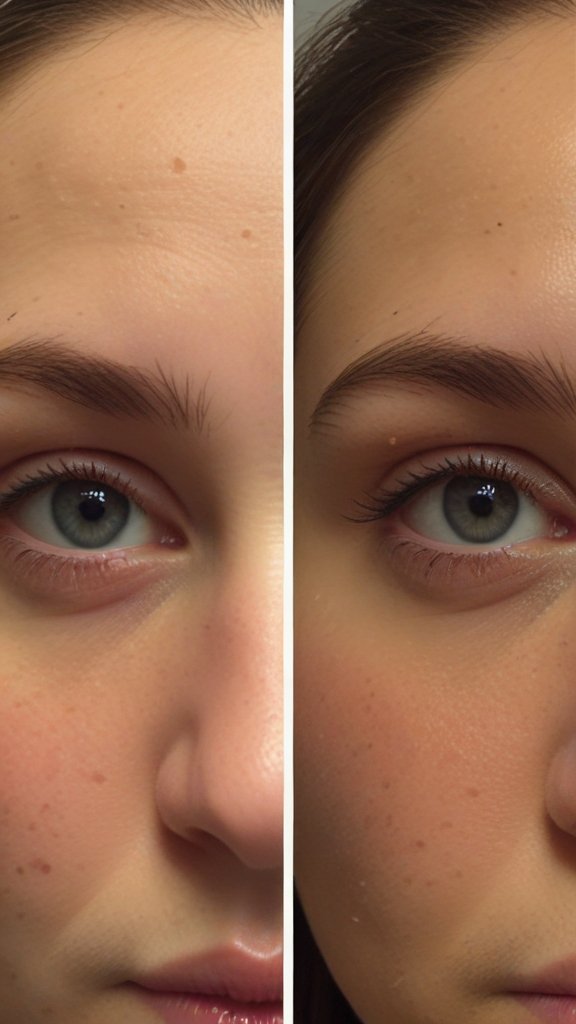
Exfoliation is great for getting rid of dead skin cells, but doing it too much can backfire. Your skin might feel smooth at first, but over-exfoliating can strip away essential oils and lead to irritation. Stick to exfoliating 2-3 times a week, and choose products with gentle ingredients like AHAs or BHAs. Remember, your skin needs time to repair itself.
Ignoring Hydration Needs
After exfoliating, your skin craves moisture. Skipping this step can leave your skin feeling tight and dry. Incorporate hydrating serums or moisturizers containing hyaluronic acid or glycerin. They help lock in moisture, keeping your skin plump and dewy.
Skipping Sunscreen in Fall
Many people think sunscreen is just for summer, but that’s a myth. Even in cooler months, UV rays can damage your skin. Always apply a broad-spectrum SPF to protect your skin from these hidden dangers.
Enhancing Your Detox with Lifestyle Changes
Dietary Adjustments for Better Skin
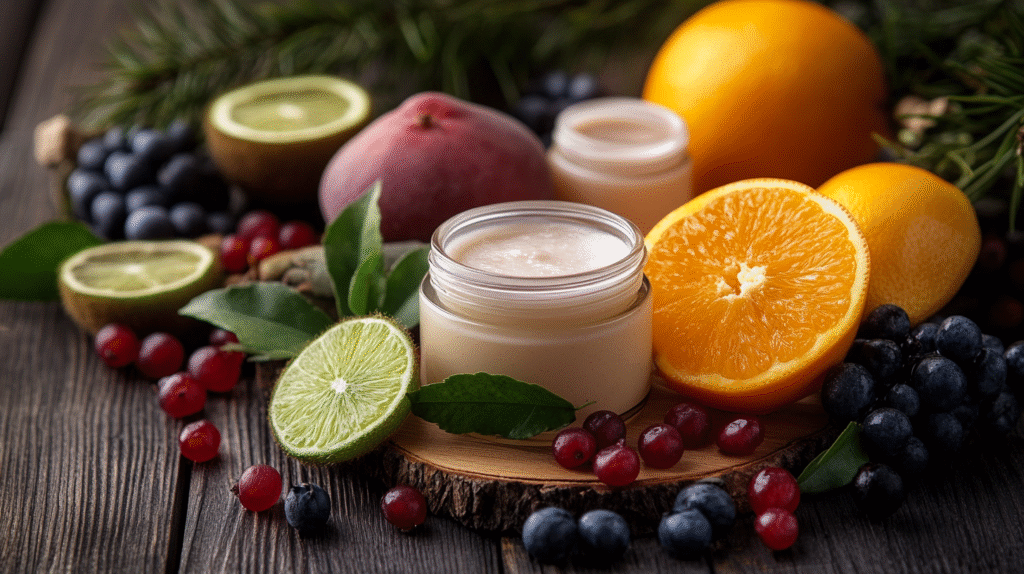
What you eat can make a big difference in how your skin looks and feels. Start by adding more fresh fruits and veggies to your meals. These foods are packed with vitamins and antioxidants that help keep your skin looking its best. Omega-3 fatty acids, found in fish like salmon, are also great for your skin. They help reduce inflammation and keep your skin hydrated. Try to cut back on processed foods and sugar, which can lead to breakouts and other skin issues.
The Importance of Hydration
Drinking enough water is crucial for healthy skin. When you’re dehydrated, your skin can look dull and dry. Aim for at least eight glasses a day to keep your skin plump and glowing. Herbal teas and water-rich foods, like cucumbers and watermelon, can also help you stay hydrated. Remember, hydration isn’t just about drinking water; it’s about keeping your skin moisturized from the inside out.
Stress Management and Skin Health
Stress can really mess with your skin. It can lead to breakouts and make conditions like eczema worse. Finding ways to manage stress can help your skin stay clear and healthy. Try activities like yoga, meditation, or even just going for a walk. These can help calm your mind and reduce stress. Getting enough sleep is also important, as it gives your skin time to repair and rejuvenate.
Taking care of your skin is more than just about products; it’s about making lifestyle changes that support your overall health. By eating well, staying hydrated, and managing stress, you can help your skin look and feel its best.
To maintain balanced and healthy skin throughout the year, it’s important to adapt your skincare routine according to the seasons. This means hydrating during winter, refreshing in spring, protecting with SPF in summer, and focusing on repair in fall.

Choosing the Right Products for Your Skin Type
Identifying Your Skin Type
Before you dive into selecting skincare products, it’s crucial to know your skin type. This step can save you from a lot of trial and error. Here’s a simple way to figure it out:
- Normal Skin: Feels balanced, not too oily or dry. Rarely breaks out.
- Oily Skin: Shiny appearance, especially on the T-zone (forehead, nose, and chin). Prone to acne and enlarged pores.
- Dry Skin: Feels tight, especially after washing. May have flaky or rough patches.
- Combination Skin: Oily in some areas (usually the T-zone), dry or normal in others.
- Sensitive Skin: Easily irritated, often with redness or itching.
Selecting Ingredients That Work for You
Once you know your skin type, choosing the right ingredients becomes easier. Here are some go-to ingredients for each type:
- Normal Skin: Look for products with hyaluronic acid for hydration and vitamin C for brightness.
- Oily Skin: Opt for salicylic acid to help control oil and prevent breakouts.
- Dry Skin: Products with glycerin or ceramides can help lock in moisture.
- Combination Skin: A balance of hydrating and oil-controlling ingredients, like niacinamide, works well.
- Sensitive Skin: Choose soothing ingredients like aloe vera and chamomile.
Patch Testing New Products
Before fully committing to a new product, it’s wise to do a patch test. Apply a small amount of the product to a discreet area of your skin, like behind your ear or on your wrist. Wait 24-48 hours to see if any irritation occurs. This simple step can prevent potential skin disasters.
Remember: Your skin is unique, and what works for someone else might not work for you. Take your time to find the products that best suit your needs.
Choosing the right skincare products can make a world of difference. It’s not just about following trends but understanding what your skin truly needs. With a little patience and care, you’ll find the perfect match for your skin type. And don’t forget, the foundation of any effective skincare routine is cleansing, which ensures your skin is ready to absorb all the goodness from your chosen products.
Conclusion
As we wrap up this guide on seasonal skin detox, remember that taking care of your skin is like taking care of yourself. It’s about finding what works for you, sticking to it, and making adjustments as needed. The change in seasons is a great reminder to refresh your routine and give your skin the attention it deserves. Whether it’s swapping out products or adding a new step, these small changes can make a big difference. So, embrace the cooler months with confidence, knowing your skin is ready to face whatever comes its way. Here’s to a season of glowing, healthy skin!

Frequently Asked Questions
Can I keep using my summer skincare products in the fall?
Some summer products can work in the fall, but you might need to switch out others. Lightweight gels and oil-free products that were great in summer might not be moisturizing enough for fall. Focus on hydrating and nourishing products for the season change.
How often should I exfoliate my skin during the fall?
Exfoliating is important all year, but it’s good to listen to your skin. In the fall, try to exfoliate 2-3 times a week, depending on your skin type. If your skin feels dry or irritated, exfoliate less often.
Is it necessary to change my SPF for fall?
Even though the sun’s rays aren’t as strong in the fall, they can still harm your skin. Continue using a broad-spectrum SPF of at least 30 to protect your skin throughout the year.
Can I use Vitamin C and retinol together in my skincare routine?
Yes, but be careful. Use Vitamin C in the morning and retinol at night. If you’re new to these ingredients, start by using them on different days to see how your skin reacts.
What are the best ingredients for a fall skincare routine?
Look for ingredients like Vitamin C for brightening, hyaluronic acid for hydration, and niacinamide for calming and strengthening the skin. These ingredients help repair summer damage and prepare your skin for fall.
Why is it important to hydrate my skin in the fall?
As the air gets cooler and drier, your skin can lose moisture quickly. Keeping your skin hydrated helps it stay plump and healthy, preventing dryness and irritation.




Thank you for your sharing. I am worried that I lack creative ideas. It is your article that makes me full of hope. Thank you. But, I have a question, can you help me?
Your article helped me a lot, is there any more related content? Thanks!
I don’t think the title of your article matches the content lol. Just kidding, mainly because I had some doubts after reading the article. https://www.binance.info/bg/register?ref=V2H9AFPY
Thank you for your sharing. I am worried that I lack creative ideas. It is your article that makes me full of hope. Thank you. But, I have a question, can you help me? https://www.gate.com/share/XwNAUwgM
Can you be more specific about the content of your article? After reading it, I still have some doubts. Hope you can help me.
Can you be more specific about the content of your article? After reading it, I still have some doubts. Hope you can help me.
Thank you for your sharing. I am worried that I lack creative ideas. It is your article that makes me full of hope. Thank you. But, I have a question, can you help me?
I see something genuinely interesting about your website so I saved to fav.