
Hair loss is a big deal for a lot of folks. It’s not just about looks; it’s also about how you feel about yourself. While some hair loss is normal, seeing more hair in the shower drain can be a bit scary. The good news? There are ways to keep your hair from falling out and even help it grow back. Let’s dive into some simple strategies that can make a difference.
Key Takeaways
- Act fast if you notice hair loss; early treatment is key to preventing further loss.
- Eating right, with plenty of proteins and omega-3s, can help keep your hair healthy.
- Avoid harsh styling and heat to prevent damaging your hair.
- Consider supplements like biotin or iron if your diet lacks them.
- Explore treatments like PRP or laser therapy for more stubborn hair loss.
Understanding the Causes of Hair Loss
Genetic Factors and Hereditary Patterns
Hair loss often runs in families, with genetic predisposition being a major player. Androgenetic alopecia, commonly known as male or female pattern baldness, is the most prevalent form of hair loss. It’s influenced by genes and hormonal changes, particularly involving dihydrotestosterone (DHT). This type of hair loss usually manifests as a receding hairline or thinning at the crown. While genetic hair loss is challenging to prevent, treatments like minoxidil can help slow its progression.
Hormonal Changes and Imbalances
Hormones play a critical role in hair health. Conditions like pregnancy, menopause, and thyroid disorders can cause hair to thin or fall out. For instance, after childbirth, many women experience telogen effluvium, a temporary shedding due to hormonal shifts. Balancing hormones through medical intervention can help manage this kind of hair loss.
Impact of Stress and Lifestyle Choices
Stress is a sneaky culprit behind hair loss. It can lead to telogen effluvium, where stress pushes hair follicles into a resting phase, causing shedding. Moreover, lifestyle factors such as poor diet, lack of sleep, and unhealthy habits can exacerbate hair loss. To combat this, adopting a healthy lifestyle with proper nutrition and stress management techniques is vital. For instance, reducing stress through exercise or meditation can improve hair health.
Hair loss isn’t just about genetics; it’s a complex interplay of various factors. Understanding these can empower you to make informed decisions about hair care and prevention strategies.
Dietary Changes to Support Hair Health

Incorporating Protein-Rich Foods
A good diet is like the foundation of a house, and for your hair, protein is that foundation. Hair is mostly made up of a protein called keratin. So, it makes sense that eating enough protein helps keep your hair strong. Think about adding more eggs, nuts, seeds, and lean meats to your meals. Fish is also a good choice because it’s packed with protein and other good stuff like omega-3s. Your hair needs these nutrients to grow and stay healthy.
Benefits of Omega-3 Fatty Acids
Omega-3 fatty acids are like a secret weapon for healthy hair. They help keep your scalp hydrated and can even make your hair shinier. You can find these fatty acids in foods like salmon, mackerel, and walnuts. If you’re not a fan of fish, flaxseeds and chia seeds are great plant-based options. Adding these to your diet can help keep your hair looking its best.
Essential Vitamins and Minerals for Hair
Vitamins and minerals are just as important for your hair as they are for the rest of your body. Biotin, also known as vitamin B7, is one of the most talked-about nutrients for hair health. It helps your body produce keratin, which is crucial for hair structure. Iron is another important mineral because it helps carry oxygen to your hair follicles, keeping them healthy. Don’t forget about vitamin E, which protects your hair from damage. Eating a variety of fruits, veggies, and whole grains can help you get these essential nutrients.
Eating right isn’t just about looking good; it’s about feeling good too. When your body gets what it needs, your hair can grow stronger and healthier. Remember, what you eat today can affect your hair tomorrow.
Effective Hair Care Practices
Choosing the Right Shampoo and Conditioner
Finding the perfect shampoo and conditioner can feel like an endless quest, but it’s worth it. Using products tailored to your hair type helps maintain its health and shine. If your hair is oily, look for lightweight formulas that won’t weigh it down. For dry or damaged hair, moisturizing and nourishing ingredients are key. Don’t forget to check the labels for sulfates and parabens, which can be harsh on your hair.
Avoiding Heat and Chemical Damage
Heat styling tools and chemical treatments might give you the look you want, but they can wreak havoc on your hair if overused. Try to limit the use of flat irons, curling wands, and blow dryers. When you do use them, always apply a heat protectant spray. Chemical treatments, like coloring and perming, should be done sparingly and preferably by professionals. Your hair will thank you for the extra care.
Gentle Styling Techniques
Being gentle with your hair is crucial. Avoid tight ponytails and braids that can pull on the hair shaft and cause breakage. Opt for loose styles and use hair ties that don’t have metal parts. When brushing, start from the ends and work your way up to avoid tangles and breakage. Regular trims can also prevent split ends from traveling up the hair shaft, keeping your hair healthy and strong.
Remember, taking care of your hair doesn’t have to be complicated. By making small adjustments to your routine, you can protect your hair and keep it looking its best.
Additionally, gently massaging the scalp with your fingertips while washing your hair can enhance blood circulation, promoting healthier hair growth. Using a handheld massager might offer extra benefits.
Exploring Medical and Alternative Treatments
Medications and Topical Solutions
When it comes to treating hair loss, medications can be a reliable option. There are over-the-counter solutions like minoxidil, which is widely used for stimulating hair growth. Prescription medications such as finasteride are also available, primarily for men, to help slow hair loss. It’s crucial to consult with a healthcare provider to determine the best treatment for your specific needs. Topical solutions can be applied directly to the scalp, targeting the affected areas and potentially improving hair density.
Laser and Light Therapy Options
Laser therapy is another avenue to explore for hair loss treatment. This non-invasive method uses low-level lasers to stimulate hair follicles, promoting growth. It’s often considered safe and can be done at home with specific devices or in a clinical setting. While results can vary, some users report noticeable improvements in hair thickness and fullness over time. Light therapy might not work for everyone, but it offers a promising alternative for those seeking non-medical interventions.
Natural Remedies and Essential Oils
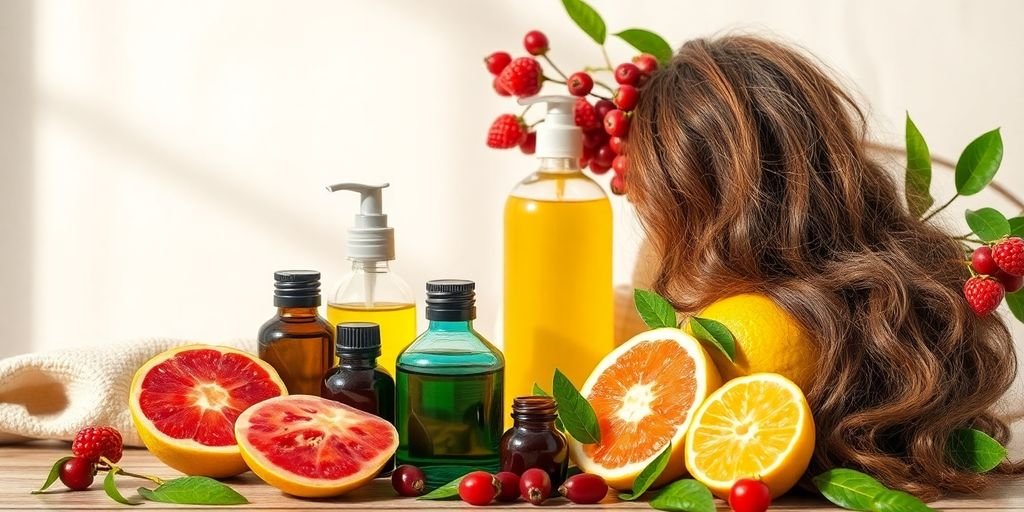
For those interested in a more holistic approach, natural remedies and essential oils can be appealing. Oils like rosemary, peppermint, and lavender are often used to enhance scalp health and encourage hair growth. These oils can be massaged into the scalp, improving circulation and potentially supporting hair strength. Additionally, incorporating other natural ingredients like aloe vera or coconut oil into your hair care routine might offer soothing benefits. While these methods might not replace medical treatments, they can complement them, offering a gentler approach to managing hair loss.
Lifestyle Adjustments for Hair Preservation
Managing Stress and Mental Health
Stress can be a real hair killer. When you’re stressed, your body can go into overdrive, releasing hormones that aren’t great for your hair. Chronic stress can lead to hair thinning or even loss. To combat this, try incorporating stress-reducing practices into your daily routine. Meditation, yoga, or even a simple walk can help keep stress levels in check. Remember, your mental health is just as important as your physical health.
Protective Hairstyles and Habits
How you style your hair can make a big difference in its health. Opt for styles that don’t pull too tightly on your scalp, as these can cause traction alopecia, a type of hair loss. Loose braids, buns, or ponytails are good options. Also, try to avoid using too many hair accessories that can break or damage your hair. Gentle handling is key.
Regular Scalp Massages and Care
Giving your scalp a little TLC can go a long way. Regular scalp massages can increase blood circulation, which helps in delivering nutrients to your hair follicles. Use your fingertips to gently massage your scalp in circular motions. You can do this while shampooing or as a standalone treatment with some essential oils like lavender or rosemary for added benefits. A healthy scalp is the foundation for healthy hair.
The Role of Supplements in Hair Loss Prevention
Understanding the Benefits of Biotin
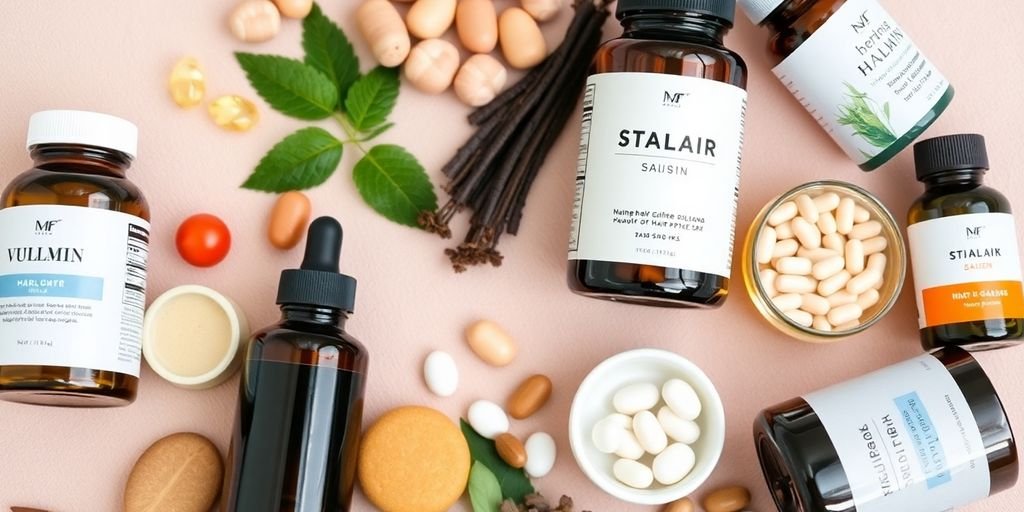
Biotin, a form of Vitamin B7, often pops up in discussions about hair health. It’s a popular ingredient in many hair growth supplements. While it won’t stop genetic hair loss, a lack of biotin can lead to temporary hair thinning. People often turn to biotin supplements hoping for a boost in hair strength and thickness. However, it’s always best to check with a healthcare provider before starting any supplement.
Iron and Zinc for Hair Growth
Iron and zinc are two minerals that can play a role in maintaining healthy hair. Iron helps carry oxygen to your hair follicles, which is crucial for growth. Zinc, on the other hand, supports the oil glands around follicles, helping them work properly. Deficiencies in these nutrients can lead to hair loss, so keeping them in check is vital. For more about these essential nutrients, check out this page.
Potential Risks of Over-Supplementation
While supplements can help fill nutritional gaps, overdoing them can backfire. Taking too much selenium, Vitamin A, or Vitamin E might actually lead to hair loss. It’s important to stick to recommended doses and consult with a doctor before adding new supplements to your routine.
Supplements can be a useful tool in maintaining hair health, but they’re not a magic bullet. A balanced diet and healthy lifestyle are just as important in the fight against hair loss.
Innovative Therapies and Future Directions
Platelet-Rich Plasma (PRP) Therapy
PRP therapy is gaining traction as a promising solution for hair loss. By using your own blood, this treatment involves extracting platelets and injecting them into the scalp. These platelets release growth factors that can potentially stimulate hair follicles, encouraging new hair growth. It’s a natural approach, but not without its skeptics. Some say the results vary, and it might not work for everyone. Still, it’s a beacon of hope for those exploring non-surgical options.
Advancements in Hair Transplant Techniques
Hair transplant methods have come a long way. From the days of noticeable plugs to today’s more refined techniques, the evolution is impressive. Follicular Unit Extraction (FUE) is now a popular choice, where individual hair follicles are transplanted, minimizing scarring and downtime. It’s less invasive and provides a more natural look. Innovative robotic systems are even being used to enhance precision and efficiency, making the process smoother for both surgeons and patients.
Emerging Research and Technologies
The future of hair loss treatment is bright with ongoing research and new technologies. Scientists are exploring the potential of stem cells to regenerate hair. There’s also buzz around genetic research, which could lead to personalized treatments based on an individual’s DNA. Imagine a world where your genetic code helps craft the perfect hair loss solution just for you. While we’re not there yet, these advancements hint at a future where hair loss might be a thing of the past.
The journey to combat hair loss is filled with innovation and hope. As science progresses, so does our ability to tackle this common issue with cutting-edge solutions.
Conclusion
So, there you have it. Hair loss might feel like a losing battle, but with the right approach, you can definitely put up a good fight. Start early, eat well, and maybe try some supplements if you need to. Remember, what works for one person might not work for another, so it’s all about finding what suits you best. Keep your hair and scalp clean, avoid those tight hairstyles, and maybe even give caffeine-infused products a shot. And hey, if things get tough, don’t hesitate to reach out to a healthcare provider. They can help you figure out the best plan for your hair. At the end of the day, taking care of your hair is just another part of taking care of yourself. So, give it the attention it deserves, and you might just see some great results.
Frequently Asked Questions
What causes hair loss?
Hair loss can be due to many reasons like genetics, changes in hormones, or even stress. Eating poorly and bad hair care habits can also make it worse.
Can what I eat affect my hair?
Yes, eating foods rich in protein and vitamins is good for your hair. Foods like fish, eggs, and nuts can help keep your hair strong and healthy.
Are there any treatments for hair loss?
There are many treatments like special shampoos, medicines, and even laser therapy. It’s best to talk to a doctor to find out what’s right for you.
How can I take care of my hair every day?
Use gentle shampoos and avoid using too much heat or chemicals on your hair. Try not to pull your hair back too tightly.
Do vitamins help with hair growth?
Vitamins can help if you’re not getting enough from your diet. But be careful, too much of some vitamins can actually cause hair loss.
Can stress make me lose hair?
Yes, stress can lead to hair loss. Finding ways to relax and manage stress can help keep your hair healthy.